
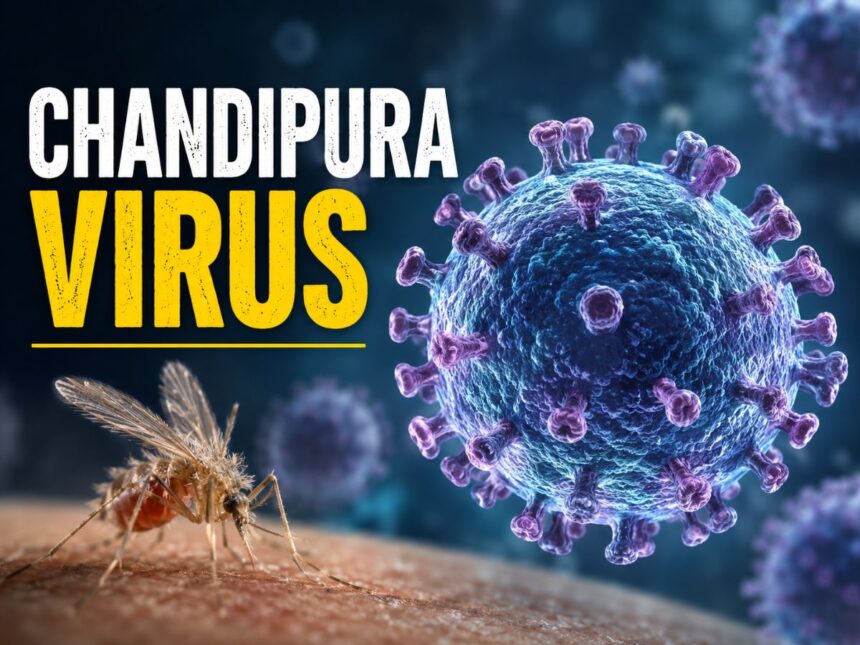
Chandipura Virus in Children: The Chandipura virus has once again come into focus after several child deaths were reported in different parts of India. Although infections are relatively uncommon, health experts have observed a worrying trend over the years—young children, particularly those under five years of age, are far more likely to develop severe illness and life-threatening complications.
Doctors stress that the virus does not selectively infect children. Instead, biological and environmental factors make them more susceptible to serious disease, especially when the infection spreads to the brain.
Why Are Children More Vulnerable to the Chandipura Virus?
According to medical experts, the primary reason lies in a child’s developing nervous system.
In infants and children below the age of five, the blood-brain barrier—a protective layer that helps block harmful germs from entering the brain—is still immature. Because this defence is not fully developed, the Chandipura virus can more easily reach the brain, where it may trigger acute encephalitis, a severe inflammation of brain tissue.
Since the brain undergoes rapid growth during early childhood, inflammation at this stage can interfere with normal neurological development, potentially affecting speech, movement, learning abilities and behaviour.
Sandfly Bites Increase the Risk for Young Children
The Chandipura virus is primarily spread through the bite of infected sandflies.
Unlike mosquitoes, sandflies stay close to the ground and have limited flying ability. Young children naturally spend more time crawling, sitting or playing on the floor, often with exposed arms and legs. This increases their chances of being bitten.
Children living in rural, forested or endemic areas may face an even higher risk because sandflies are more commonly found in these environments.
Early Symptoms Can Be Difficult to Recognise
Detecting the illness early is one of the biggest challenges.
Babies and toddlers cannot explain symptoms such as headache, confusion or dizziness. As a result, parents need to watch carefully for sudden changes in behaviour or activity levels.
Doctors recommend seeking immediate medical attention if a child develops any of the following symptoms:
- High fever
- Extreme sleepiness or unusual drowsiness
- Refusal to eat or feed
- Persistent vomiting
- Weak or floppy limbs
- Difficulty holding up the head
- Reduced responsiveness
- Seizures or convulsions
The disease can progress very quickly, and even a short delay in treatment may significantly increase the risk of severe complications.
How the Virus Affects the Brain
If the Chandipura virus reaches the brain, it can cause acute encephalitis, leading to rapid swelling of brain tissue.
Children may suddenly develop serious neurological complications, including:
- Seizures
- Loss of consciousness
- Breathing difficulties
- Paralysis
- Coma
Because the illness can worsen within hours, early hospitalization and intensive medical care are essential.
Currently, there is no specific antiviral medicine available to treat Chandipura virus infection. Doctors focus on supportive treatment, including controlling seizures, reducing brain swelling and managing other complications.
Long-Term Effects May Continue After Recovery
Even children who survive the infection may continue to experience long-lasting neurological problems.
Possible long-term complications include:
- Delayed speech development
- Difficulty walking or maintaining balance
- Muscle weakness or stiffness
- Developmental delays
- Learning disabilities
- Recurrent seizures
In many cases, these issues may not become noticeable until weeks or even months after the child has recovered from the acute illness.
How Parents Can Protect Their Children
Health experts advise parents to take preventive measures, particularly in areas where Chandipura virus cases have been reported.
Recommended precautions include:
- Use insecticide-treated mosquito or sandfly nets where advised.
- Dress children in full-sleeved clothing and full-length trousers, especially during the evening.
- Apply child-safe insect repellents after consulting a healthcare professional.
- Keep homes and surrounding areas clean to reduce insect breeding.
- Seek immediate medical attention if a child develops fever along with excessive drowsiness, weakness or seizures.
Key Takeaway
The Chandipura virus poses the greatest threat to young children, largely because of their developing brains, immature immune defences and greater exposure to sandfly bites. Since the infection can rapidly progress to severe brain inflammation, recognising early symptoms and seeking prompt medical care can be lifesaving. While there is currently no specific antiviral treatment, preventive measures and early hospital intervention remain the best ways to reduce the risk of serious complications.