
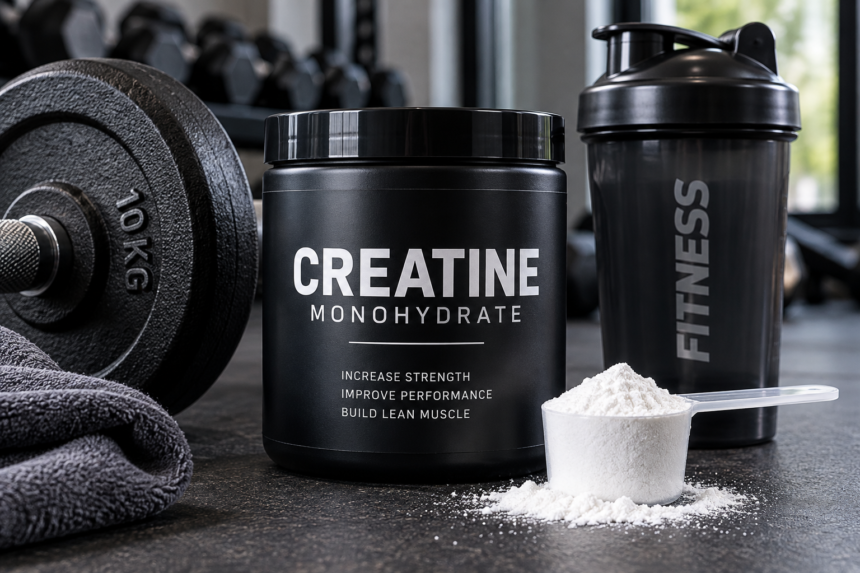
Creatine is one of the most extensively studied sports supplements and is generally considered safe when used at recommended doses. However, that does not mean it is suitable for everyone or that every way of taking it is risk-free.
The concerns are less about creatine itself being toxic and more about underlying health conditions, excessive doses, product quality and how it is used alongside other supplements or medicines.
1. Kidney concerns in people with existing risk factors
Research involving healthy adults has not found clear evidence of kidney damage from recommended creatine use, commonly around 3 to 5 grams per day, even over several years.
The situation can be different for people who already have reduced kidney function or conditions such as diabetes or high blood pressure. The risk may also be greater when creatine is combined with medicines that can affect the kidneys.
Another complication is that creatine can cause a small increase in blood creatinine levels. This can sometimes make it difficult to distinguish between a supplement-related change in the test result and an actual kidney problem.
People with kidney-related risk factors who plan to use creatine for an extended period should therefore discuss it with a doctor and consider regular kidney-function testing rather than relying solely on advice from the gym.
2. Stomach problems from high doses
Creatine can cause digestive problems, particularly when taken in large quantities.
Some products recommend a loading phase of up to 20 grams per day for a week. However, smaller daily doses can also build up muscle creatine stores over time. Taking large amounts at once may increase the likelihood of bloating, loose stools, stomach cramps and a general feeling of heaviness.
These effects can be particularly troublesome for people who already have sensitive digestion, IBS or reflux. Digestive discomfort can also interfere with appetite and overall nutritional intake.
A slower approach using a lower daily dose can be sufficient for building creatine stores while potentially being easier on the digestive system.
3. Hydration can become an issue indirectly
Creatine increases the amount of water stored inside muscle cells, which can make muscles appear fuller. Contrary to a long-standing belief, controlled studies have not shown that creatine automatically causes dehydration or muscle cramps in athletes.
The bigger concern can be the way people use creatine alongside intense training.
Someone taking creatine may increase their workout intensity, sweat heavily, consume caffeine-rich pre-workout products and fail to increase their fluid or electrolyte intake accordingly. This combination can contribute to symptoms such as headaches, dizziness, darker urine and an increased heart rate, particularly in hot conditions.
In such situations, creatine may get blamed for the symptoms even though the broader hydration strategy is the more important issue.
4. Mood concerns for people vulnerable to bipolar symptoms
Creatine is also being investigated as an additional treatment for depression, and some research has suggested potential benefits for mood.
However, there have been small clinical reports in which creatine appeared to trigger hypomania or mania in some people with bipolar disorder. These reports involved doses as low as 3 to 5 grams per day.
Researchers have suggested that changes in brain energy metabolism could potentially affect mood regulation in vulnerable individuals.
People with bipolar disorder, a history of manic episodes, a strong family history of mood disorders or those taking psychiatric medication should therefore discuss creatine use with a healthcare professional rather than assuming it is harmless for everyone.
5. Contamination in poorly tested supplements
Pure creatine monohydrate has a strong safety record, but the quality of the supplement itself is another consideration.
Unlike medicines, supplements are not regulated in exactly the same way in many countries. Investigations and studies of the supplement market have found that some products can contain impurities, heavy metals or traces of prohibited stimulants, particularly when manufacturers do not use reliable third-party testing.
Long-term exposure to contaminants such as lead or cadmium can pose health concerns. The risk may become more relevant for people who regularly consume several supplements, including protein powders and other products.
Choosing a straightforward creatine monohydrate product from a manufacturer that publishes testing information or has independent certification can reduce concerns about product quality.
When creatine may not be the right choice
Most creatine research has focused on healthy young and middle-aged adults. There is considerably less safety information for pregnant or breastfeeding women, people with advanced kidney disease and individuals with certain chronic conditions.
For these groups, experts generally recommend avoiding creatine or using it only as part of a medically supervised plan until more evidence is available.
There is also a less obvious risk: treating creatine as a replacement for the fundamentals of fitness. A supplement cannot compensate for poor sleep, an inadequate diet, insufficient training or neglected mental health.
When used appropriately, creatine can be a useful supplement. But it should be treated as one part of a broader approach to health and fitness, not as a reason to ignore warning signs or neglect the basics.