
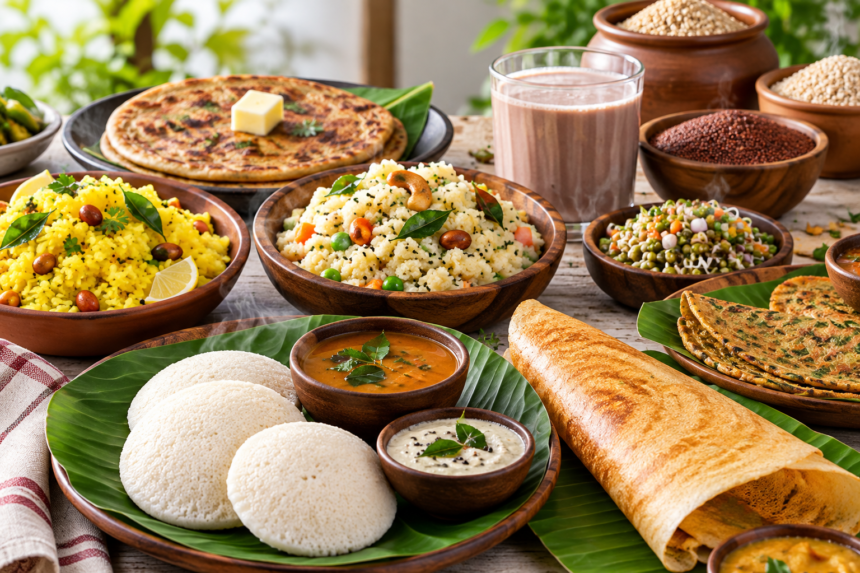
For years, breakfast habits in Indian homes gradually shifted towards packaged cereals, bread and other quick-to-prepare options. Busy schedules and demanding work routines made these foods an easy choice for families looking to save time in the morning.
However, traditional Indian breakfasts are now making a strong comeback. From steaming idlis and crispy dosas to poha, millet dishes and besan chilla, many households are rediscovering the nutritional value, variety and familiarity of regional breakfast foods.
This shift is being driven not only by nostalgia but also by growing awareness around gut health, balanced nutrition, whole grains and minimally processed foods.
1. Gut Health Is Driving the Return to Fermented Foods
One of the biggest reasons behind the renewed interest in traditional Indian breakfasts is the growing focus on digestive and gut health.
Foods such as idli, dosa and dhokla, which are traditionally prepared using fermented batters, have long been part of Indian diets. Fermentation can contribute beneficial microorganisms and make certain nutrients easier to digest.
Overnight-soaked or traditionally prepared rice-based dishes are also finding their way back into breakfast routines.
Compared with highly refined and heavily processed breakfast products, traditional fermented foods offer a different nutritional profile while also bringing familiar flavours and preparation methods back into the kitchen.
2. Indian Millets Are Making a Strong Comeback
The growing interest in ancient grains has also brought India’s traditional millets back into the spotlight.
Ragi, jowar and bajra are increasingly being used in everyday breakfast recipes. These grains are valued for their fibre content and complex carbohydrates and can be incorporated into a wide range of dishes.
Popular options include:
- Ragi malt
- Jowar upma
- Bajra-based dishes
- Millet chilla
The renewed popularity of millets reflects a broader move towards whole grains and more diverse sources of carbohydrates in the daily diet.
3. Traditional Breakfasts Can Offer Better Nutritional Balance
Another reason Indian breakfasts are gaining popularity is their ability to combine several food groups in a single meal.
Take poha, for example. When prepared with peanuts, mustard seeds, curry leaves and fresh lemon, it can provide carbohydrates along with healthy fats and other nutrients. Lemon also adds vitamin C to the meal.
Similarly, sattu drinks and besan chilla can contribute plant-based protein and minerals to breakfast.
Traditional recipes often combine ingredients such as pulses, grains, nuts, vegetables, herbs and spices. Ingredients like turmeric, cumin and ginger have also been part of Indian cooking for generations.
Rather than relying on a single packaged product, a traditional breakfast can therefore bring several different ingredients and nutrients together on one plate.
4. Seasonal and Regional Eating Is Becoming Popular Again
The revival is not just about nutrition. There is also growing interest in seasonal, local and regional food traditions.
Indian culinary practices have historically adapted meals according to the season. During warmer months, lighter and cooling foods are commonly preferred, while winter diets in many regions include richer and more warming preparations.
For instance, stuffed whole-wheat parathas served with fresh white butter have traditionally been associated with hearty winter meals in parts of India.
As consumers pay greater attention to ingredient labels and become more cautious about highly processed foods, home-cooked regional recipes are gaining renewed appeal.
Why Are Traditional Indian Breakfasts Trending Again?
The return to traditional breakfast foods is being influenced by several factors:
- Greater awareness of gut health
- Growing interest in fermented foods
- Rising popularity of Indian millets
- Demand for minimally processed ingredients
- Focus on fibre and balanced nutrition
- Interest in seasonal and regional eating
- Desire to reconnect with traditional food habits
Convenience remains important, but many households are increasingly trying to find a balance between quick preparation and better-quality meals.
Traditional Breakfast Meets Modern Health Consciousness
The renewed popularity of Indian breakfast dishes does not necessarily mean packaged foods are disappearing from kitchens. Instead, it reflects a broader change in how people think about their first meal of the day.
Recipes that were once considered old-fashioned are being revisited and adapted to modern lifestyles. Traditional ingredients can now be used in quicker preparations while retaining the flavours and nutritional principles associated with regional cuisines.
From millet-based chillas to fermented idlis and protein-rich besan dishes, India’s breakfast table is once again embracing its culinary diversity.
Conclusion
The comeback of traditional Indian breakfasts shows how age-old food practices can remain relevant in a modern lifestyle.
What was once seen simply as everyday home cooking is now being appreciated for its variety, use of whole ingredients, regional diversity and potential nutritional benefits.
As health-conscious consumers look beyond convenience and packaged foods, India’s traditional breakfast dishes are finding a new audience. The trend is less about rejecting modern food completely and more about bringing ancestral food wisdom back into everyday eating—one wholesome, flavourful breakfast at a time.