
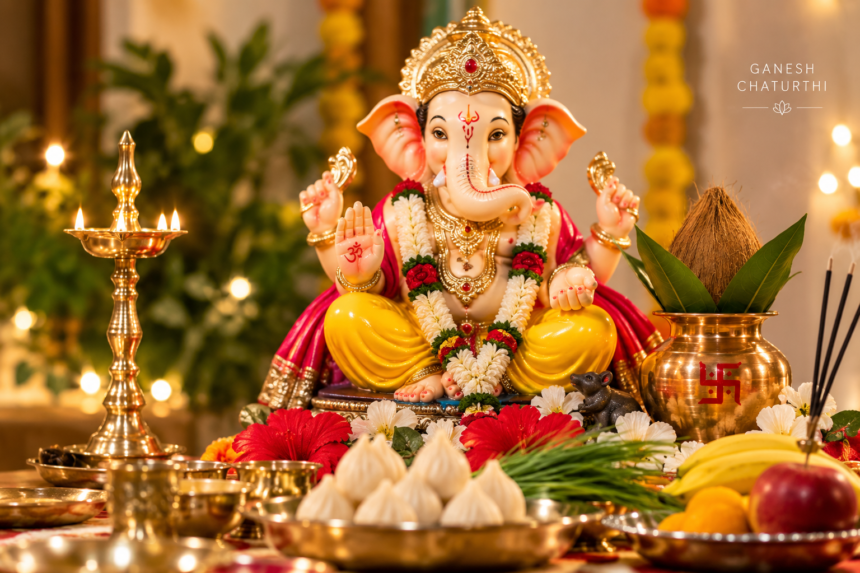
Ganesh Chaturthi 2026: Ganesh Chaturthi is one of the most widely celebrated Hindu festivals, dedicated to Lord Ganesha, the remover of obstacles and the deity associated with wisdom, prosperity and auspicious beginnings. The festival is marked by several traditional rituals, beginning with bringing the Ganesha idol home and ending with Ganesh Visarjan.
For devotees, every stage of the celebration has a special purpose. Ganpati Sthapana, Pran Pratishtha, Shodashopachara Puja, daily aarti, modak offerings and Visarjan together form an important spiritual journey filled with devotion, prayer and gratitude.
Here is a look at the major Ganesh Chaturthi rituals and why they hold significance.
Ganpati Sthapana: Welcoming Lord Ganesha
The festivities traditionally begin with Ganpati Sthapana, when devotees bring an idol of Lord Ganesha into their homes or install it at a community pandal.
Before the idol is placed, the worship area is cleaned and decorated. Families may use flowers, rangoli, lights and other traditional decorations to create an auspicious setting. The idol is then placed respectfully on a decorated platform.
The ritual symbolises welcoming Lord Ganesha into the home as an honoured guest and seeking His blessings for the days ahead.
Pran Pratishtha: Invoking the Divine Presence
Pran Pratishtha is an important ritual performed after the idol is installed. Through prescribed prayers, mantras and other sacred practices, devotees invoke the divine presence of Lord Ganesha in the idol.
The ritual marks the transition from simply installing an idol to beginning formal worship. Devotees pray for wisdom, prosperity, happiness and the removal of obstacles from their lives.
For many worshippers, Pran Pratishtha is therefore one of the most spiritually significant moments of Ganesh Chaturthi.
Shodashopachara Puja: Sixteen Traditional Offerings
Ganesh Chaturthi worship may also include Shodashopachara Puja, a traditional method of worship involving sixteen forms of offering and service to the deity.
Depending on local customs and family traditions, these offerings can include a ceremonial welcome, a seat for the deity, water, clothing, flowers, fragrance, food and other sacred items.
Each offering represents respect and devotion. The ritual follows the traditional idea of treating the deity with the same care and honour that would be shown to a revered guest.
Modak, Durva and Other Offerings
Modak is among the most recognisable offerings associated with Lord Ganesha. Devotees prepare or offer modaks during the festival as part of the traditional bhog.
Along with modak, worshippers may offer fruits, sweets, durva grass, flowers and other items considered auspicious for Ganesh Puja.
After the offerings are made, the food is received as prasad and shared with family members, friends and other devotees. In this way, the offering becomes a part of both religious observance and community celebration.
Daily Puja and Aarti During Ganesh Chaturthi
Once Lord Ganesha has been installed, devotees continue worshipping Him every day until Visarjan. Daily Ganesh Puja and Aarti are an important part of the celebration, particularly in households that keep the idol for several days.
Families often come together for prayers, devotional songs and aarti. Offerings are made before the deity, followed by the distribution of prasad.
At public pandals, the celebrations can be much larger, with community aartis, bhajans, cultural events and other devotional programmes. These gatherings also provide an opportunity for people to celebrate the festival together and strengthen community bonds.
Ganesh Visarjan: The Devotional Farewell
The festival concludes with Ganesh Visarjan, when the idol of Lord Ganesha is taken in a procession and immersed in water according to tradition.
Devotees accompany the procession with prayers, devotional music and chants. While the farewell can be an emotional moment, Visarjan carries a deeper spiritual meaning.
The immersion represents the return of the idol to nature and reflects the traditional concept of creation and dissolution. After welcoming Lord Ganesha with devotion, devotees bid Him farewell with the belief that His blessings and teachings remain with them.
The ritual also conveys the importance of accepting change and letting go while remaining hopeful about what lies ahead.
Why Are Ganesh Chaturthi Rituals Important?
The rituals of Ganesh Chaturthi are more than a series of religious customs. They bring together faith, family, community and cultural traditions.
From preparing the place of worship and welcoming Lord Ganesha to offering bhog, performing daily aarti and eventually conducting Visarjan, every stage carries a message of devotion and gratitude.
The festival encourages devotees to seek wisdom when facing difficulties, remain humble during moments of success and approach new beginnings with faith.
Ganesh Chaturthi may end with the immersion of the idol, but its spiritual message continues. The festival reminds devotees to embrace new beginnings, overcome challenges with wisdom and carry the values associated with Lord Ganesha into everyday life.