
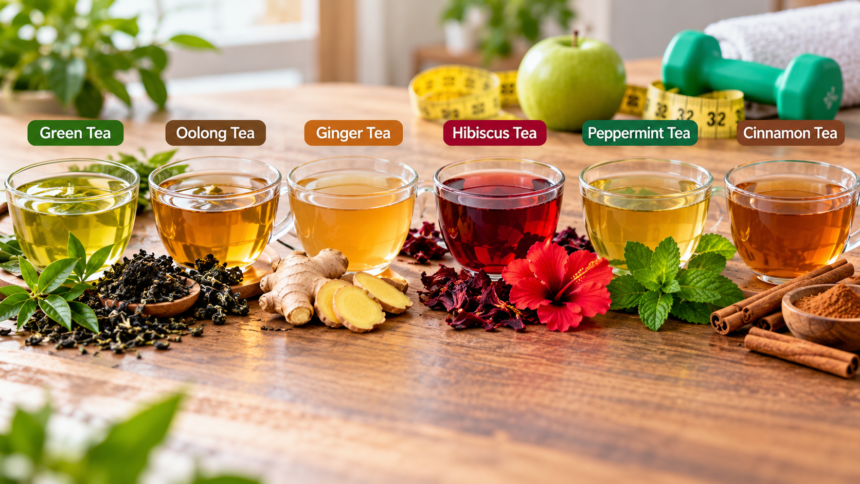
Weight management involves more than reducing food portions or increasing exercise. Everyday drink choices can also make a difference, particularly when high-calorie beverages are replaced with healthier alternatives. Unsweetened tea is a popular choice because it contains very few calories and provides plant-based compounds known as phytochemicals.
Although certain teas may offer benefits related to metabolism, digestion or blood sugar regulation, none can independently eliminate body fat. Sustainable weight loss still depends on a balanced diet, regular physical activity, sufficient sleep and consistent healthy habits.
Here are six types of tea that may complement a weight-management routine.
1. Green Tea
Green tea contains catechins, plant compounds with antioxidant properties. One of its key compounds is epigallocatechin gallate (EGCG). It also provides caffeine, which may slightly increase the amount of energy the body uses.
Some studies suggest that the combination of catechins and caffeine may have a modest effect on fat metabolism. However, the amount of weight lost through green tea alone is generally limited.
Drinking green tea without sugar can be a practical way to reduce calorie intake, especially when it replaces sugary beverages.
2. Oolong Tea
Oolong tea is a traditional Chinese tea made from partially oxidised tea leaves, placing it between green and black tea in terms of processing. It contains polyphenols, including catechins, along with caffeine.
Early research suggests that some of these compounds may influence energy use and fat metabolism. However, more evidence is needed to determine whether drinking oolong tea leads to meaningful, long-term weight loss.
For those trying to manage their weight, unsweetened oolong tea can provide flavour while adding very few calories to the daily diet.
3. Ginger Tea
Ginger tea is prepared by steeping fresh ginger slices or pieces in hot water. Ginger contains compounds called gingerols and shogaols, which have antioxidant and anti-inflammatory properties.
Some research indicates that ginger may help with feelings of fullness and certain measures of blood sugar control. However, the evidence that ginger tea directly suppresses appetite or produces significant weight loss remains limited.
It can still be a useful low-calorie drink, particularly when prepared without sugar or other high-calorie additions.
4. Hibiscus Tea
Hibiscus tea is made by soaking dried hibiscus flowers in hot water. It has a naturally tangy flavour and a distinctive deep red colour. The flowers contain anthocyanins and other plant compounds with antioxidant properties.
Research into hibiscus preparations suggests they may have benefits for blood pressure, but findings are not conclusive across all products. There is also insufficient strong evidence to establish hibiscus tea as a direct weight-loss drink.
To prepare it, steep dried hibiscus flowers in hot water and add a little lemon if desired. Limiting sugar and honey helps keep the drink low in calories.
5. Peppermint Tea
Peppermint tea is made by steeping fresh or dried peppermint leaves in hot water. It is naturally caffeine-free and offers a refreshing alternative to sweetened drinks.
Peppermint may help relieve indigestion and abdominal discomfort in some people. However, there is limited evidence that peppermint tea directly reduces appetite or body fat.
It is important to distinguish peppermint leaf tea from concentrated peppermint oil, which has different uses. People who experience acid reflux should also be cautious, as peppermint may worsen their symptoms.
For a simple preparation, steep peppermint leaves in hot water and drink without sugar. A small amount of lemon can be added for extra flavour.
6. Cinnamon Tea
Cinnamon tea is prepared by steeping a cinnamon stick in hot water. Cinnamon contains plant compounds that researchers have studied for their potential effects on blood sugar regulation.
Some studies suggest cinnamon may influence blood sugar and insulin-related measures, although the findings are mixed. There is no strong evidence that cinnamon tea directly burns fat or causes substantial weight loss.
It can nevertheless be included in a healthy routine as a flavourful alternative to high-calorie drinks. Drinking it without added sweeteners helps keep calorie intake low.
Regularly consuming large quantities of cinnamon should be avoided, particularly cassia cinnamon, which may contain coumarin. High coumarin intake can harm the liver.
Can Drinking Tea Alone Help You Lose Weight?
Tea may support weight management primarily when it replaces sugary drinks and helps lower overall calorie consumption. Green tea and oolong tea contain caffeine and other compounds that may have modest effects on metabolism, while ginger, hibiscus, peppermint and cinnamon teas may offer other potential benefits. However, evidence that these drinks independently produce significant weight loss remains limited.
For sustainable results, combine unsweetened tea with balanced meals, regular exercise, adequate sleep and consistent healthy habits. Tea should complement these efforts rather than replace them.
People taking medication or living with an existing health condition should consult a healthcare professional before regularly consuming herbal teas for medicinal purposes.
Disclaimer: This article is intended for general informational and educational purposes only and should not be considered medical advice. The potential benefits of different teas vary, and evidence for their effects on weight loss is limited. Consult a qualified healthcare professional before using herbal teas to manage a health condition, particularly if you take medication or have an underlying medical concern.