
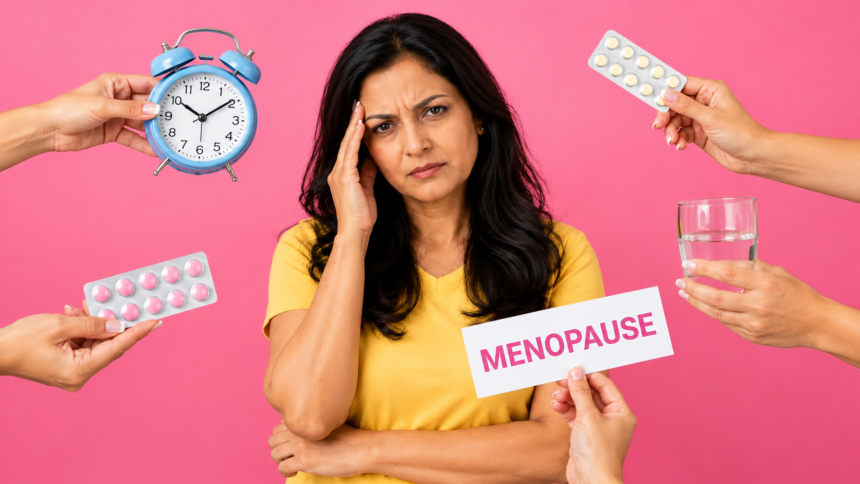
Menopause has gradually become a more openly discussed subject in India. What was once rarely mentioned during family conversations is now receiving attention in newspapers, on social media and in some workplaces. However, while awareness is growing, more needs to be done to ensure women receive the healthcare and support they need during this stage of life.
Tamanna Singh, founder of MenoVeda and a certified menopause and hormone coach, welcomes the growing public conversation but believes awareness alone is not enough. She emphasises the need to turn discussions about menopause into meaningful action and accessible healthcare services.
India has a large population of women experiencing or approaching menopause, with estimates running well beyond 100 million. The average age of menopause in the country is slightly below 50, meaning many women may spend around a third of their lives in the post-menopausal stage.
These figures highlight the scale of the issue and the need for India’s healthcare system to give greater attention to women’s health during midlife.
How Are Women Experiencing Menopause Treated in India?
Despite growing awareness, many women continue to manage menopause symptoms privately because they believe these changes are simply part of ageing that they must endure. Symptoms are frequently attributed to stress or the natural ageing process, leaving women uncertain about where to seek appropriate guidance.
Menopause affects every woman differently, making a uniform approach to treatment inadequate. While a gynaecologist may address certain symptoms, a physician may focus on other health concerns. Without a coordinated approach, the broader needs of a woman can be overlooked.
These challenges become more difficult when women are simultaneously managing careers, raising children and caring for ageing parents. Physical and emotional symptoms can affect their daily lives, yet many continue to prioritise their responsibilities over their own well-being.
According to Singh, improving menopause care requires a clear healthcare pathway, an approach that reflects India’s cultural context and better access to professional guidance.
Three Priorities for Improving Midlife Women’s Healthcare in India
Singh identifies three important areas that could help India move beyond awareness and develop a more effective approach to menopause care.
The first is establishing a clear pathway through the healthcare system. Women should know where to seek support when menstrual cycles begin changing in their early forties and where to turn later in life when concerns involving bone health, cardiovascular health and emotional well-being require attention. At present, this pathway remains insufficiently defined.
The second priority is developing a healthcare model that recognises India’s social and cultural realities. Ayurveda, yoga, traditional food practices and family support systems can contribute to a broader approach to women’s well-being. Singh believes these resources should be considered alongside modern clinical evidence rather than dismissed or adopted without evaluation.
She advocates combining established medical knowledge with traditional practices while clearly recognising their respective benefits and limitations. Ayurvedic formulations supported by clinical validation, alongside access to doctors for consultation, could form part of this approach.
The third priority is accessibility. Women living in smaller towns and rural communities should have access to the same quality of information and guidance as those in metropolitan cities such as Mumbai and Delhi.
Telehealth services, regional-language resources, community health workers and workplace initiatives could help extend menopause support to more women. Employers also have an important role to play, particularly as women may experience sleep difficulties and concentration problems during a stage of life when they are often at the height of their professional careers.
Can India Develop a Global Model for Midlife Women’s Healthcare?
Singh believes India has the potential to develop a healthcare model that could offer valuable lessons to other countries. The country’s large population and diverse cultural traditions provide an opportunity to create an approach that reflects women’s individual needs rather than simply replicating existing Western healthcare models.
Such a framework would treat midlife as a stage that deserves proactive care and support, rather than viewing menopause solely as a problem to be managed.
However, Singh stresses that the effectiveness of any model must be measured by the difference it makes in women’s lives. Conferences, awareness campaigns and policy documents are important, but their value ultimately depends on whether women can access and benefit from the services being proposed.
Meaningful progress would mean women in their late forties experiencing improvements in their mental and physical well-being and receiving appropriate support as their bodies and health needs change through different stages of life.
With World Menopause Day providing an opportunity to focus attention on the issue, the emphasis must shift towards practical solutions that improve access to care and support women’s long-term health.
Conclusion
Developing a holistic and accessible healthcare framework for midlife women is essential to turning menopause awareness into meaningful change. By establishing clearer healthcare pathways, integrating evidence-based approaches with relevant traditional practices and improving access across different regions, India could work towards a more inclusive model of women’s healthcare.
The ultimate goal is to ensure that every woman receives the information, guidance and medical support she needs to navigate menopause with greater confidence and maintain her overall well-being.