
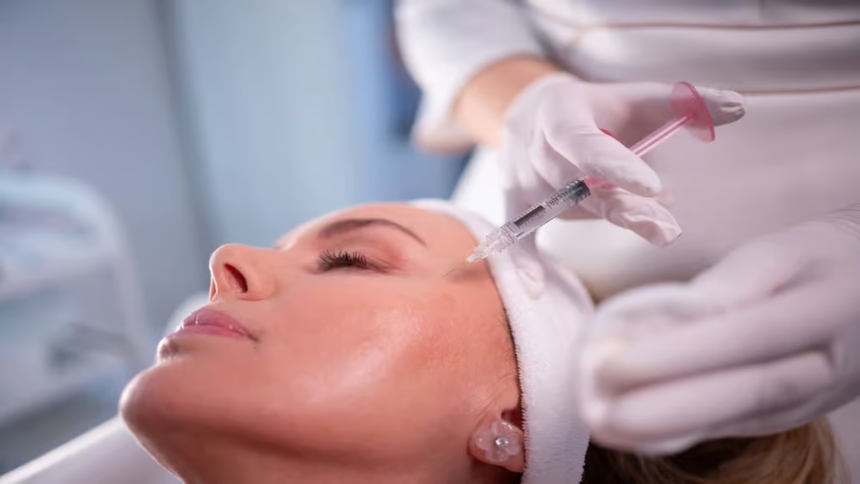
The “glass skin” trend has made smooth, hydrated and radiant skin a major beauty goal. Popularised through Korean beauty trends, the concept originally focused on a translucent, poreless complexion. Over time, the idea has evolved into what is often described as “Glass Skin 2.0”, which places greater emphasis on hydration and a healthy skin barrier.
Dr. Ajay Rana, Founder & Director of ILAMED and President of the Indian Society of Aesthetic Medicine (ISAM), explains how skin booster treatments work and what they can actually do for the skin.
What Are Skin Boosters?
Skin boosters are micro-injection cosmetic treatments designed primarily to increase skin hydration and improve its overall texture. The increased moisture can make the skin appear smoother, softer and more radiant, contributing to the “glass skin” appearance.
Some types of skin boosters may also influence collagen production, which can support the skin’s structure and resilience. Depending on the formulation and technique, these treatments may contain hyaluronic acid and other substances intended to improve skin hydration and elasticity.
Skin Boosters vs Dermal Fillers
Although both treatments involve injectable products, skin boosters and dermal fillers have different primary purposes.
Dermal fillers are generally used to add volume or reshape specific areas of the face, whereas skin boosters focus more on improving skin quality and hydration rather than changing facial structure.
The ingredients and treatment techniques can vary depending on the product being used, making an individual assessment important before undergoing the procedure.
Who Can Consider Skin Booster Treatments?
The appearance of smooth, hydrated and “glass-like” skin depends on several factors, including genetics, skin type, age, hydration, melanin content, complexion and existing skin concerns such as acne.
Choosing the appropriate product is therefore an important part of the treatment process. Patients should discuss their goals and expectations with a dermatologist or qualified aesthetic doctor before proceeding.
People experiencing severe acne, uneven skin tone, redness or other skin concerns may need to address those conditions before considering skin boosters.
The expertise of the professional performing the procedure is also important. Temporary redness, swelling, sensitivity and bruising can occur after treatment.
What Results Can You Expect?
Skin booster treatments are not expected to produce an instant or permanent transformation. Improvements can develop gradually, and how long the results remain visible can depend on the preparation used.
Regular treatments may be required to maintain the condition and appearance of the skin. Overall, skin boosters can be considered as part of an aesthetic treatment plan for people seeking smoother and more hydrated-looking skin.