
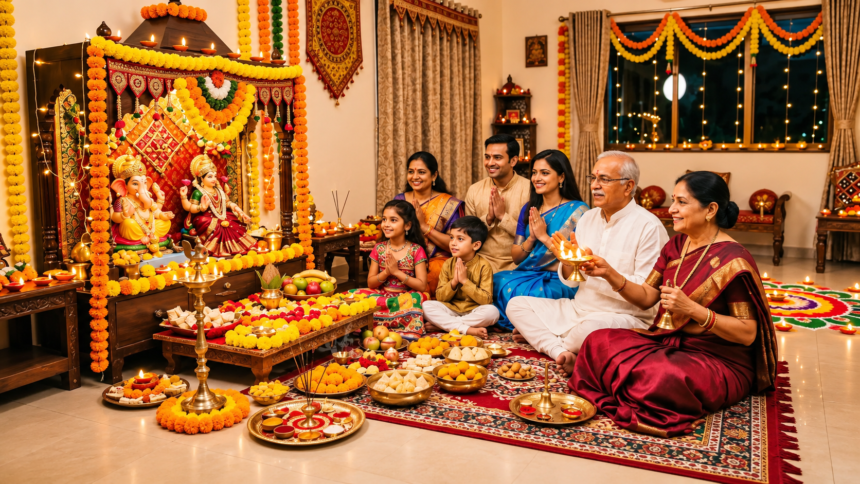
Diwali, the festival of lights, will be celebrated on Sunday, 8 November 2026. Although there has been some confusion over whether the festival falls on 8 or 9 November this year, the celebration will take place on 8 November. This is because Amavasya Tithi, which determines the date of Diwali, remains present during the evening Pradosh Kaal on 8 November.
The festival holds special religious and cultural importance for Hindus, who celebrate the occasion by worshipping Goddess Lakshmi and Lord Ganesha, decorating their homes with diyas and rangoli, and exchanging sweets and gifts. Here is everything you need to know about Diwali 2026, including the correct date, Amavasya timings, Lakshmi Puja muhurat and traditional rituals.
Diwali 2026 Date and Amavasya Tithi
Diwali is observed on Amavasya, the new moon day of the Hindu month of Kartik. This year, the Amavasya Tithi begins on the morning of 8 November and continues until the afternoon of 9 November.
Here are the important dates and timings for Diwali 2026:
- Diwali Date: Sunday, 8 November 2026
- Amavasya Tithi Begins: 11:27 AM on 8 November 2026
- Amavasya Tithi Ends: 12:31 PM on 9 November 2026
The difference between the two possible celebration dates has caused confusion among devotees. However, Diwali will be observed on 8 November because Amavasya prevails during Pradosh Kaal, the evening period considered significant for Lakshmi Puja. Since the Amavasya Tithi ends before evening on 9 November, that date is not considered suitable for the main Diwali worship.
Lakshmi Puja Muhurat 2026 and Religious Significance
Lakshmi Puja is one of the most important traditions of Diwali. Devotees worship Goddess Lakshmi during the evening Pradosh Kaal, with Vrishabha Kaal considered an auspicious period for performing the rituals.
Lakshmi Puja Muhurat: 5:54 PM to 7:50 PM
Goddess Lakshmi is worshipped as the deity of wealth, prosperity and happiness. Lord Ganesha, meanwhile, represents wisdom, good fortune and the removal of obstacles. Worshipping both deities together symbolises the desire for a prosperous life guided by wisdom and positive beginnings.
Lord Kuber, who is associated with wealth, is also worshipped by devotees on this occasion.
Diwali 2026 Lakshmi Puja Vidhi: Step-by-Step Rituals
Devotees follow traditional rituals while performing Lakshmi-Ganesha Puja on Diwali. Preparations generally begin with cleaning and decorating the house before arranging the items required for worship.
The puja begins with cleaning the home and preparing the worship area. Rangoli is made near the entrance, while diyas are placed around the house to create a festive atmosphere.
For the puja, idols of Goddess Lakshmi and Lord Ganesha are placed on a red cloth. Devotees arrange essential items such as a Kalash, Gangajal, roli, akshat, flowers, fruits, sweets, paan, supari, coins and kheel-batashe on the puja thali.
Lord Ganesha is worshipped first. Devotees offer durva grass, flowers and modaks while chanting his mantra. After this, Goddess Lakshmi is worshipped with offerings of red flowers, lotus, kheer, boondi laddus, dry fruits and coins. A ghee diya is also lit during the ceremony.
Devotees can chant the following mantras 108 times as part of the Lakshmi Puja:
Om Mahalakshmyai Namah
Another traditional mantra is:
Om Shreem Hreem Shreem Kamle Kamlalaye Prasid Prasid Shreem Hreem Shreem Mahalakshmyai Namah
The puja concludes with Lakshmi-Ganesha Aarti and prayers for the well-being and happiness of the family. Traditionally, 13 diyas are lit at different places around the house, including the entrance, kitchen and near the Tulsi plant.
Why Is Diwali Celebrated on Amavasya?
Diwali is celebrated on the darkest night of the Kartik month, when the new moon leaves the night sky without moonlight. Lighting diyas during this period carries deep religious symbolism and represents the victory of light over darkness, good over evil and knowledge over ignorance.
According to traditional beliefs, Goddess Lakshmi visits homes that are clean, decorated and illuminated on Diwali night. This is why devotees clean their houses, light earthen lamps and perform Lakshmi Puja to welcome wealth, peace and prosperity.
As Diwali 2026 approaches on 8 November, families are preparing to celebrate the occasion with prayers, traditional decorations, sweets and festive gatherings. Performing Lakshmi-Ganesha Puja during the prescribed muhurat, lighting diyas and sharing happiness with loved ones remain central to the celebrations. The festival marks an occasion to welcome new beginnings, prosperity and happiness into the home.