
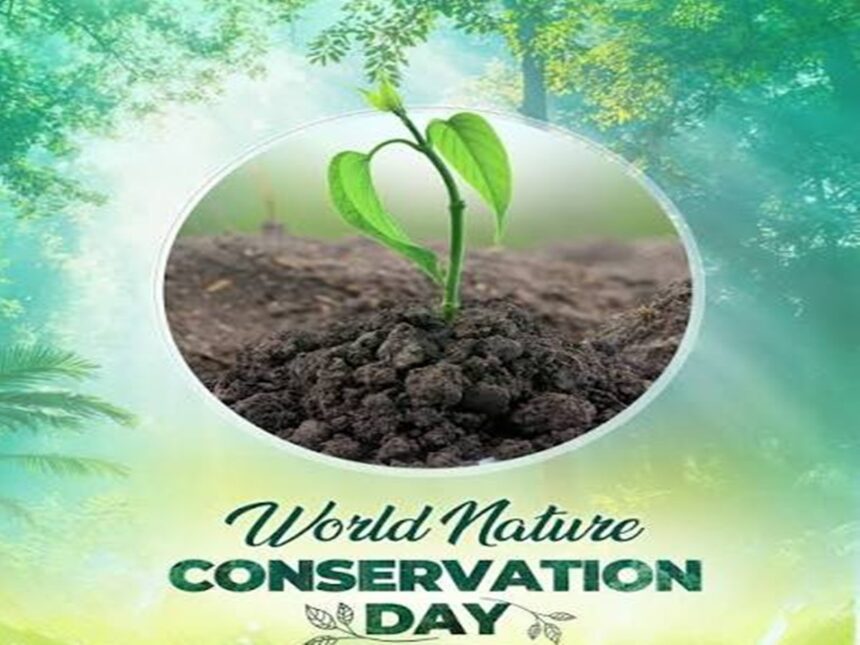
World Nature Conservation Day 2026 is a reminder that protecting the planet begins with the choices we make every day. From conserving water and reducing plastic waste to safeguarding wildlife and planting more trees, small actions can collectively make a significant difference in preserving Earth’s natural resources.
As climate change, pollution, deforestation, and biodiversity loss continue to threaten ecosystems across the globe, adopting sustainable habits has become more important than ever. Here are 10 practical ways you can contribute to nature conservation every day.
1. Save Water Whenever Possible
Water is one of our most precious natural resources, yet many regions continue to face shortages due to increasing demand and changing climate patterns. Simple measures like repairing leaking taps, turning off the faucet while brushing, using water-efficient appliances, and harvesting rainwater can go a long way in conserving water.
2. Reduce Your Plastic Consumption
Single-use plastics are among the biggest threats to the environment, polluting rivers, oceans, and forests while endangering wildlife. Replace disposable plastic items with reusable shopping bags, stainless steel water bottles, cloth bags, and eco-friendly alternatives to reduce plastic pollution.
3. Plant More Trees and Protect Green Spaces
Trees play a crucial role in maintaining ecological balance by absorbing carbon dioxide, improving air quality, preventing soil erosion, and providing shelter to countless species. Planting native trees and supporting afforestation initiatives can help create a healthier and greener environment.
4. Choose Eco-Friendly Transportation
Transportation is a major contributor to air pollution and greenhouse gas emissions. Whenever possible, walk, cycle, use public transport, or carpool instead of driving alone. Choosing cleaner mobility options helps reduce your carbon footprint while improving urban air quality.
5. Follow the 3Rs: Reduce, Reuse and Recycle
Practicing the Reduce, Reuse, Recycle principle is one of the easiest ways to minimize waste. Reusing household items, repairing products instead of replacing them, segregating waste, and recycling recyclable materials help conserve natural resources and reduce landfill waste.
6. Conserve Energy Every Day
Lower energy consumption means fewer greenhouse gas emissions. Switch off lights and electrical appliances when not in use, use energy-efficient LED bulbs, maximize natural daylight, and consider renewable energy solutions such as solar power to make your home more sustainable.
7. Help Protect Wildlife
India is home to incredible biodiversity, including tigers, elephants, leopards, and thousands of bird species. Respect wildlife habitats, avoid activities that disturb animals, support conservation organizations, and practice responsible tourism to help preserve the country’s rich natural heritage.
8. Buy Local and Sustainable Products
Choosing locally produced and sustainably sourced goods benefits both the environment and local communities. Purchasing seasonal fruits and vegetables, supporting local farmers and artisans, and avoiding products with excessive packaging can significantly reduce your environmental impact.
9. Keep Your Surroundings Clean
A clean environment benefits both people and wildlife. Avoid littering, dispose of waste responsibly, participate in community cleanliness drives, and encourage family and friends to adopt environmentally friendly habits. Small efforts can create lasting positive change.
10. Inspire Others to Live Sustainably
Nature conservation is most effective when communities work together. Share awareness about environmental issues, encourage sustainable practices at home and work, and lead by example. Inspiring others to adopt eco-friendly habits can multiply the positive impact on the planet.
Why World Nature Conservation Day Matters
World Nature Conservation Day serves as a global reminder that protecting forests, rivers, oceans, wildlife, and natural ecosystems is essential for a sustainable future. Conserving nature helps combat climate change, preserve biodiversity, reduce pollution, and ensure that future generations inherit a healthier planet.
By making mindful choices every day, each of us can contribute to protecting the environment. Even the smallest actions, when adopted collectively, can create a meaningful impact and help build a greener, cleaner, and more sustainable world.