
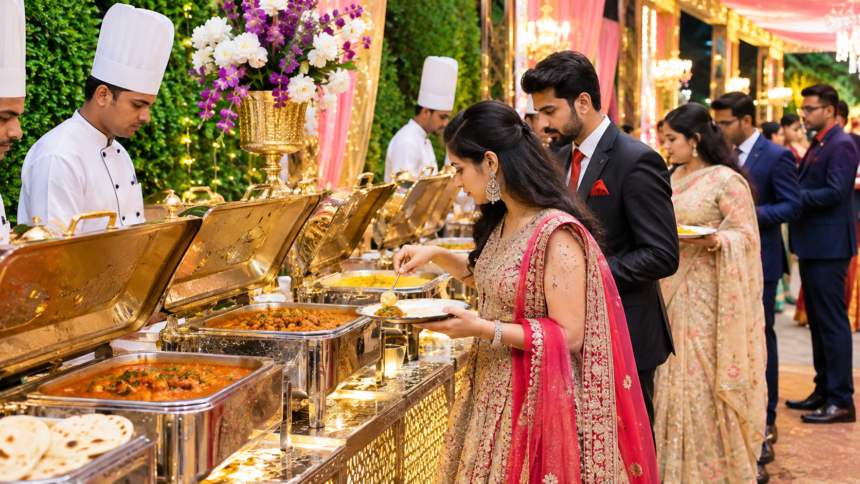
New Delhi: With the festive season and wedding celebrations bringing families and guests together, deciding how much food to prepare can be a major challenge for event organisers. However, catering requirements cannot be worked out simply by matching the number of dishes to the guest count. The right quantity depends on several factors, including the type of event, guest preferences, menu selection, duration of service and the way food is served.
Professional caterers consider all these details before deciding how much food needs to be prepared. A well-planned menu should offer enough variety for everyone while avoiding unnecessary cooking and food wastage.
Menu Selection and Guest Preferences Matter
A modern wedding menu can include welcome drinks, fresh fruits, chaat, different starters, soups, international food counters, traditional Indian dishes and a wide range of desserts. In such cases, estimating the required quantity of every dish separately may lead to inaccurate calculations.
Guests do not necessarily eat every item on the menu. Some may enjoy chaat and starters before choosing a few dishes from the main course. Others may prefer traditional Indian food and avoid international counters altogether. These differences in eating habits make it important to plan food quantities according to the overall menu rather than treating every dish as equally popular.
The age group and dietary preferences of guests also influence catering requirements. Children, young adults and senior citizens may have different food choices. Vegetarian and non-vegetarian options must also be considered while deciding the menu balance.
For example, a vegetarian menu may require different quantities of paneer dishes, lentils, vegetables, rice and breads. A menu that includes chicken, fish or mutton will need a separate calculation based on expected demand. Understanding the guest profile helps caterers prepare a more practical food plan.
Live Cooking Can Help Control Food Wastage
Live cooking counters and preparing food in smaller batches have become increasingly popular at weddings and other large gatherings. These methods allow caterers to prepare certain dishes according to actual demand instead of cooking everything in large quantities before the event begins.
Items such as pasta, selected chaat dishes, dosas and kebabs can be prepared at live counters. This approach can reduce the chances of large quantities remaining unused when guest consumption is lower than expected.
Ingredients that have not been used may sometimes be retained for suitable future preparation, but only when they have been stored and handled according to food-safety requirements.
However, live cooking is not suitable for every dish. Some preparations require advance cooking, while live counters also need proper planning for ingredients, kitchen staff and cooking capacity. Caterers must estimate these requirements carefully to ensure smooth service.
Right Equipment and Portion Control Make a Difference
The equipment used during food service can also influence how much food gets wasted. Appropriate serving spoons, portioning tools and food-holding equipment help maintain consistent serving sizes and keep dishes at suitable temperatures.
Using smaller serving containers and refilling them when necessary can help maintain the appearance of the buffet while giving the catering team better control over the quantity placed on display.
Still, equipment alone cannot prevent wastage. It needs to be supported by accurate demand estimates, controlled replenishment and live preparation wherever practical.
Providing Meals for Event Staff
The number of people attending an event is often higher than the guest list suggests. Large weddings and celebrations also involve event managers, DJs, technical crews, valet attendants, security guards, transport workers, housekeeping staff and electricians.
For an event with 100 invited guests, the number of people working behind the scenes can itself reach several dozen. Some catering teams arrange meals for these workers after the guest buffet has closed. This can provide a useful way to serve suitable remaining food instead of discarding it.
However, food should only be served if it has been handled and stored safely. Items exposed to unsafe temperatures, contamination or other conditions that make them unsuitable for consumption must not be reused or distributed.
Feeding event workers can help reduce avoidable disposal, but it should never replace proper food planning and production management.
Smart Planning Is the Key to Reducing Food Waste
Controlling food wastage starts well before the first dish is prepared. Caterers need to consider the expected attendance, menu variety, guest preferences, event duration, cooking arrangements and buffet replenishment together.
The objective is to provide guests with a satisfying dining experience and sufficient food choices without preparing excessive quantities simply to avoid the possibility of shortages.
Ultimately, successful catering is not about how much food is cooked. It is about planning the menu, managing preparation and serving guests efficiently while keeping unnecessary food wastage to a minimum.
Disclaimer
This article is intended for general informational purposes and highlights common food-planning and catering practices. Actual food requirements may vary depending on the event, guest preferences, menu and service arrangements. Food storage, handling and reuse should always follow applicable food-safety standards. Readers and event organisers should consult experienced catering professionals for event-specific planning.