
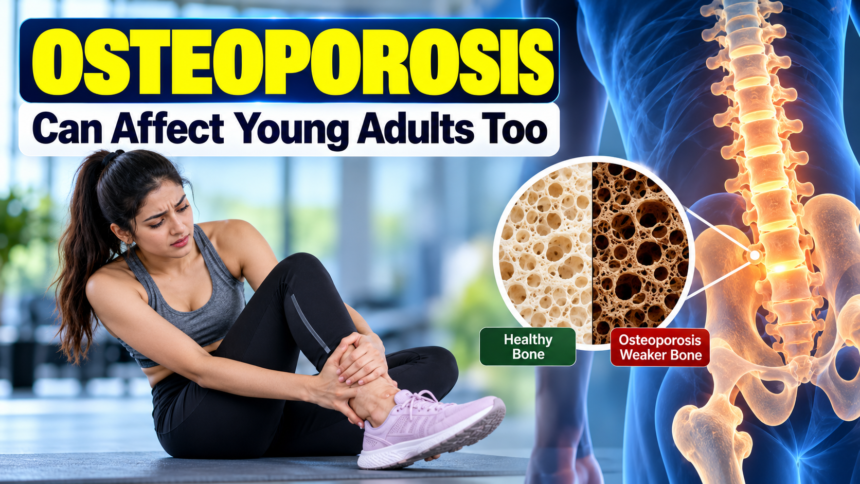
Being slim, physically fit and appearing healthy does not necessarily mean your bones are strong. Although osteoporosis is commonly associated with older adults, reduced bone density can develop at a younger age due to poor nutrition, hormonal changes, excessive exercise or certain medical conditions.
Many young people may not realise their bones are becoming weaker until they experience a fracture after a minor fall or injury. Understanding the risk factors early can help protect bone health over the long term.
1. Low Body Weight and Exercise Can Affect Bone Strength
Being significantly underweight can increase the risk of low bone density. When the body does not receive enough calories, protein, vitamins and minerals, it may struggle to build and maintain healthy bone tissue.
Physical activity is also important, but the type of exercise matters. Weight-bearing activities such as walking, running and climbing stairs, along with strength training, can help support bone strength. However, excessive exercise combined with inadequate food intake may have the opposite effect and negatively affect bone health.
Maintaining a healthy balance between exercise, nutrition and recovery is essential for strong bones.
2. Hormonal Changes Can Reduce Bone Density
Hormones play a significant role in bone development and maintenance. When the body does not receive enough energy to meet its needs, hormonal changes can occur.
In women, insufficient energy intake may cause menstrual periods to become irregular or stop altogether. This can reduce oestrogen levels, a hormone that helps protect bone density. Prolonged hormonal imbalances may therefore increase the risk of weakened bones.
People experiencing persistent menstrual irregularities or other symptoms of hormonal problems should consult a healthcare professional.
3. Calcium, Vitamin D and Protein Are Essential for Healthy Bones
Calcium is a key mineral required for building and maintaining bones, while vitamin D helps the body absorb calcium effectively. A deficiency in either nutrient can interfere with proper bone mineralisation and contribute to reduced bone strength.
Protein is equally important because bone tissue is continually repaired and renewed. Consuming adequate protein alongside calcium- and vitamin D-rich foods helps support normal bone maintenance.
A balanced diet that provides sufficient calories, protein, vitamins and minerals is an important part of protecting bone health.
4. Warning Signs Young Adults Should Not Ignore
Certain risk factors may indicate that a younger person needs an assessment of their bone health. These include:
- Fractures following minor falls or relatively small injuries.
- A history of very low body weight or eating disorders.
- Persistent irregular or absent menstrual periods.
- Long-term use of steroid medications.
- Thyroid disorders or other hormonal conditions.
- A family history of osteoporosis.
Anyone with these risk factors should discuss them with a doctor, who can determine whether further evaluation or bone density testing is appropriate.
5. Early Prevention Can Help Protect Bone Health
Osteoporosis often develops without noticeable symptoms until a fracture occurs. This makes early prevention and attention to risk factors particularly important, even for younger adults who appear healthy and active.
Eating a balanced diet, maintaining an appropriate body weight, performing regular weight-bearing and strength-training exercises, and addressing vitamin deficiencies or hormonal problems can all help support bone health.
Being slim or physically fit does not automatically mean that your bones are strong. Paying attention to nutrition, exercise habits and potential medical risk factors can help protect bone strength as you age.
Disclaimer: This article is intended for general informational and educational purposes only. It is not a substitute for professional medical advice, diagnosis or treatment. Consult a qualified healthcare professional if you have concerns about bone health or any of the risk factors discussed above.