
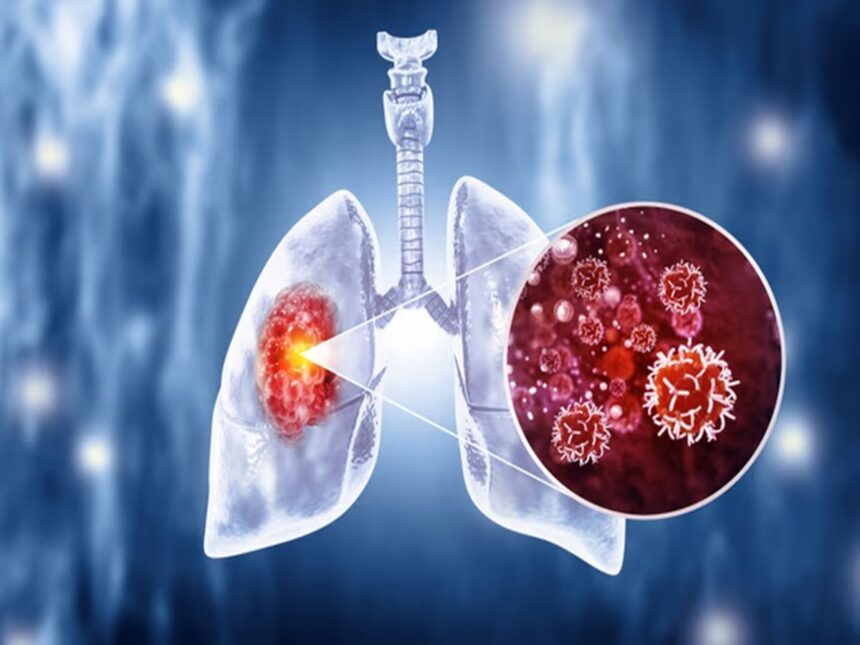
Lung cancer in India: A lung cancer diagnosis can be overwhelming, but the journey after diagnosis usually follows a carefully structured medical process involving diagnostic tests, cancer staging, biomarker analysis and personalised treatment planning.
According to leading oncologist Dr Singhal, as many as 50% of lung cancer cases in India may occur among people who have never smoked. While tobacco consumption remains a major risk factor, growing evidence points to other contributors, including air pollution, second-hand smoke, radon exposure, workplace hazards and genetic factors.
Speaking to HT Lifestyle, Dr Singhal explained that understanding what happens after diagnosis can help patients and their families navigate the treatment process with greater clarity.
Late Detection Remains a Major Challenge in India
Lung cancer is the most common cancer among Indian men, Dr Singhal said. Citing projections from the National Cancer Registry Programme, he noted that India could record approximately 111,000 new lung cancer cases in 2025.
One of the biggest difficulties, however, is that lung cancer can progress without producing obvious symptoms during its early stages.
As a result, many patients are diagnosed only after the disease has already spread beyond the lungs. Dr Singhal said that nearly half of Indian patients are diagnosed at an advanced stage, which can significantly reduce the available treatment options.
Lung Cancer Is Not Only a Smoker’s Disease
Smoking continues to be the leading risk factor for lung cancer, with India having nearly 100 million adult smokers.
However, the disease also affects a substantial number of people who have never smoked.
Dr Singhal estimates that up to half of lung cancer cases in India can occur in non-smokers. Several factors may contribute to this pattern, including:
- Air pollution
- Passive or second-hand smoke
- Radon exposure
- Occupational exposure to harmful substances
- Genetic factors
The trend is particularly noticeable among women and younger patients.
Another important difference is age. The average age at which lung cancer is diagnosed in India is reportedly in the mid-50s, roughly a decade younger than the average seen in many Western countries.
What Happens After Lung Cancer Is Confirmed?
Once doctors establish that a patient has lung cancer, the next step is to understand exactly what type of cancer it is and how far it has progressed.
Doctors generally determine whether the tumour is non-small cell lung cancer (NSCLC) or small cell lung cancer (SCLC). They then establish the stage of the disease and assess the patient’s overall health.
These findings form the basis of an individual treatment strategy.
But modern lung cancer care involves more than simply identifying the cancer type and stage.
Biomarker Testing Is Changing Lung Cancer Treatment
One of the biggest developments in lung cancer treatment over the past decade has been the growing importance of tumour biology.
As Dr Singhal explained, lung cancers can differ significantly at the molecular level. Biomarker testing can identify particular genetic changes within a tumour, helping doctors determine which treatments are most likely to work.
Alterations involving genes such as EGFR, ALK and ROS1 are particularly relevant in certain non-smokers and younger patients.
When such mutations are identified, patients may be eligible for targeted therapies designed to attack cancer cells carrying specific molecular abnormalities.
This approach is known as precision medicine, where treatment is selected according to the biological characteristics of an individual’s tumour rather than relying on a single treatment strategy for everyone.
Treatment Can Involve Several Approaches
Modern lung cancer treatment may involve one or a combination of several therapies, depending on the cancer’s type, stage and molecular profile.
These can include:
- Surgery
- Radiotherapy
- Chemotherapy
- Targeted therapy
- Immunotherapy
- Supportive and palliative care
The combination and sequence of treatments vary from one patient to another.
Factors such as tumour stage, genetic alterations, overall health and the patient’s ability to tolerate treatment all play a role in determining the most appropriate approach.
Recovery Involves More Than Cancer Treatment
Managing lung cancer does not end when medical treatment is completed.
Dr Singhal stressed the importance of nutrition, physical activity, monitoring symptoms and psychological support as part of comprehensive cancer care.
Maintaining nutritional health can be particularly important during treatment, while appropriate exercise may help patients preserve strength and improve overall well-being when medically suitable.
Counselling and emotional support can also help patients and families cope with the psychological impact of diagnosis and treatment.
New Technologies Are Improving Cancer Care
Lung cancer diagnosis and monitoring are also being transformed by technological advances.
Tools such as liquid biopsies, advanced molecular testing and artificial intelligence (AI) are increasingly being explored and used to provide doctors with more detailed information about tumours.
Liquid biopsy, for example, can analyse tumour-related genetic material found in blood and may offer another way of monitoring certain cancers or identifying molecular changes.
These technologies could eventually make it easier to track how tumours respond to treatment and identify changes more precisely.
Lung Cancer Remains a Global Health Challenge
Lung cancer continues to be the leading cause of cancer-related deaths worldwide.
According to figures cited by Dr Singhal, approximately 2.5 million new lung cancer cases and 1.8 million deaths were recorded globally in 2022.
Despite these figures, advances in early detection, molecular testing and treatment have changed the outlook for many patients.
For someone newly diagnosed, understanding the type and stage of cancer, asking whether appropriate biomarker testing has been performed and maintaining regular communication with the medical team can help in making informed treatment decisions.
A diagnosis of lung cancer remains extremely difficult for patients and families. But as treatment becomes increasingly personalised, understanding the disease and actively discussing available options with the healthcare team can play an important role in navigating the road ahead.