
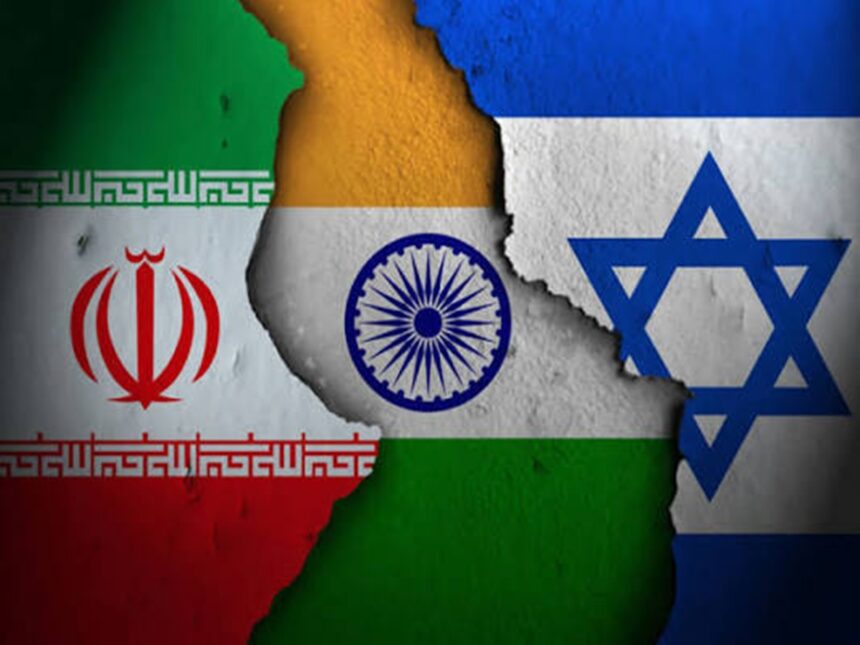
India has formally summoned a senior Iranian diplomat following the death of an Indian seafarer in a missile attack on two UAE-owned commercial vessels in the Strait of Hormuz. The move reflects New Delhi’s growing concern over the safety of Indian nationals working on merchant ships in one of the world’s busiest and most volatile shipping corridors.
The Ministry of External Affairs (MEA) lodged a strong protest after the attack, which has further heightened tensions in West Asia and raised fresh concerns over the security of international maritime trade routes.
Indian Seafarer Killed, Several Others Injured
According to officials, the missile strike occurred on Monday while two UAE-owned vessels were sailing through Omani territorial waters in the Strait of Hormuz.
The UAE Ministry of Defence identified the ships as the oil tanker Mombasa and the LNG carrier Al Bahiyah, stating that both vessels were struck by Iranian cruise missiles while navigating the southern shipping lane.
The attack claimed the life of one Indian crew member. Eight other sailors were injured, including six Indian nationals and two Ukrainian crew members. Reports indicate that four of the injured remain in critical condition.
Although fires broke out on both vessels following the strikes, emergency teams were able to bring the situation under control.
India Raises Concerns Over Safety of Seafarers
India’s decision to summon Iran’s Deputy Ambassador highlights the government’s concern over the security of thousands of Indian seafarers employed on merchant vessels operating across the Gulf region.
The Strait of Hormuz is one of the world’s most strategically important waterways, and many Indian nationals work aboard commercial ships that regularly pass through the area.
The MEA has reiterated the need to ensure the safety of civilian ships and crew members navigating international waters.
UAE Condemns Missile Strikes
The United Arab Emirates strongly condemned the attack, describing it as a serious breach of international law and a direct threat to regional stability.
In its official statement, the UAE said it reserves the right to respond to what it called a dangerous escalation.
The incident comes amid rising geopolitical tensions across West Asia, where the Strait of Hormuz remains a critical flashpoint due to its importance for global energy transportation.
Strait of Hormuz Remains Vital to Global Oil Trade
The Strait of Hormuz is one of the busiest maritime routes in the world, with around one-fifth of global seaborne oil shipments passing through the narrow waterway.
Any disruption in this region has the potential to affect international energy supplies, shipping operations, and fuel prices worldwide.
Industry experts warn that renewed attacks on commercial vessels could force shipping companies to reroute cargo around the Cape of Good Hope in Africa, significantly increasing transit times and transportation costs.
Higher insurance premiums for ships operating in the Gulf are also expected, adding further pressure to global supply chains that have already faced disruptions in recent years.
Rising Regional Tensions Raise Global Concerns
The latest attack underscores the growing security risks facing commercial shipping in the Gulf region.
With tensions continuing to rise in West Asia, governments and shipping companies are closely monitoring developments in the Strait of Hormuz, where any escalation could have far-reaching consequences for global trade, energy markets, and the safety of international seafarers.