
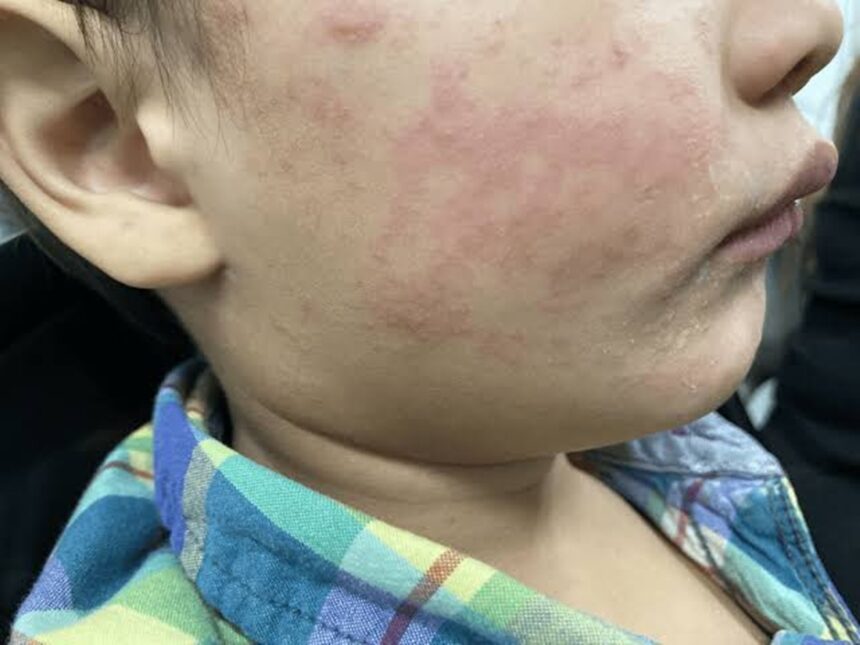
India has recorded 26,627 measles cases over the past 12 months, making it the second-highest reporting country globally, according to the latest data released by the World Health Organization (WHO). The increase comes amid a resurgence of measles outbreaks worldwide, raising concerns about declining vaccination coverage and gaps in routine immunisation.
Health experts warn that even a small drop in vaccination rates can quickly lead to outbreaks because measles is one of the most contagious infectious diseases known.
India Sees Rise in Measles Cases Amid Global Outbreaks
The recent WHO figures highlight a worrying trend as several countries continue to report rising measles infections. Public health authorities attribute the increase largely to missed childhood vaccinations and disruptions to routine healthcare services during the COVID-19 pandemic.
Experts say strengthening immunisation programmes remains the most effective way to prevent the spread of the disease and protect vulnerable children.
What Is Measles?
Measles is a highly contagious viral infection caused by the measles virus. It spreads through tiny respiratory droplets released when an infected person coughs, sneezes, or even talks.
The virus can remain suspended in the air for up to two hours, making transmission extremely easy in enclosed spaces.
According to the WHO and the US Centers for Disease Control and Prevention (CDC), a single infected individual can transmit the virus to 90% of unvaccinated people who come into close contact. In an unvaccinated population, one person can infect 12 to 18 others, making measles one of the world’s most infectious diseases.
Common Symptoms of Measles
Symptoms generally appear 10 to 14 days after exposure to the virus.
Early signs often resemble a common cold and may include:
- High fever, sometimes reaching 105°F (40.5°C)
- Persistent cough
- Runny nose
- Red, watery eyes
A few days later, a distinctive red, blotchy rash develops. It usually begins on the face before spreading to the neck, trunk, arms, and legs.
Some patients may also develop Koplik spots—small white spots inside the mouth—which often appear before the rash.
Why Measles Can Be Dangerous
Although many people recover completely, measles can lead to serious complications, particularly in young children, pregnant women, and people with weakened immune systems.
Possible complications include:
- Ear infections
- Severe diarrhea
- Pneumonia (affecting around 1 in 20 patients)
- Encephalitis or brain inflammation (approximately 1 in 1,000 cases)
- Blindness
- Severe dehydration
- In rare cases, death
Because of these risks, vaccination remains the best form of protection.
How Long Does the Measles Vaccine Protect You?
Medical experts say that two doses of the measles vaccine provide long-lasting, and in most cases lifelong, immunity.
Research shows that protective antibody levels remain strong for at least 16 years, while the vast majority of vaccinated individuals continue to be protected throughout their lives.
Unlike several other vaccines, routine booster doses are generally not required for healthy individuals who have completed the recommended vaccination schedule.
Breakthrough infections after full vaccination are uncommon, and when they do occur, symptoms are usually much milder than in unvaccinated individuals.
How Effective Is the Measles Vaccine?
According to the Serum Institute of India, the vaccine provides excellent protection against the disease.
- One dose offers protection in approximately 93% to 95% of people.
- Two doses increase effectiveness to around 97% to 99%.
The second dose is important because a small number of children do not develop sufficient immunity after the first vaccination.
Recommended Measles Vaccination Schedule in India
Under India’s Universal Immunisation Programme (UIP), children receive the Measles-Rubella (MR) vaccine in two doses:
- First dose: Between 9 and 12 months of age
- Second dose: Between 16 and 24 months of age
Completing both doses provides the highest level of protection against measles and rubella.
Do Adults Need a Measles Booster?
Most adults who received both recommended doses during childhood do not need an additional booster vaccine.
However, vaccination may be advised for adults who:
- Do not have documented vaccination records
- Never received both recommended doses
- Plan to travel to countries experiencing measles outbreaks
- Work in healthcare facilities or other high-risk environments
Anyone uncertain about their vaccination history should consult a healthcare professional before receiving another dose.
When Should You Seek Medical Attention?
Early diagnosis and medical care can help reduce the risk of serious complications.
Consult a doctor immediately if you or your child experiences:
- Fever above 103°F (39.4°C) lasting longer than three days
- Persistent cough, runny nose, and red eyes followed by a spreading skin rash
- Difficulty breathing or chest pain
- Severe cough that worsens over time
- Extreme sleepiness, confusion, or seizures
- Persistent vomiting or diarrhea leading to dehydration
- Inability to drink fluids
- Rash accompanied by signs of skin infection or severe illness
Vaccination Remains the Best Protection
The recent rise in measles cases serves as an important reminder that vaccination continues to be the most effective defense against this highly contagious disease.
Health experts recommend that parents ensure children receive both scheduled doses of the Measles-Rubella vaccine, while adults who are unsure of their immunisation status should seek medical advice, particularly before international travel or working in high-risk settings.
Maintaining high vaccination coverage is essential to preventing future outbreaks and protecting communities from a disease that is almost entirely preventable through immunisation.