
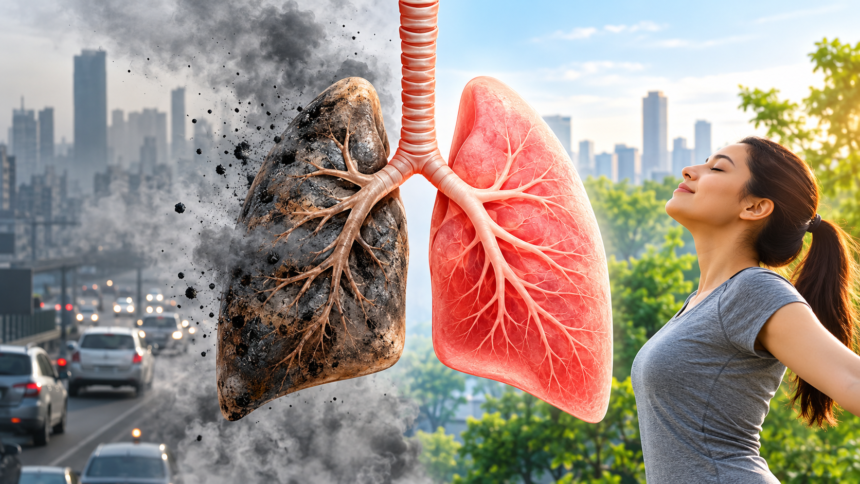
World Lung Day is observed on September 25 every year to promote awareness about respiratory health and encourage people to take steps to protect their lungs. In 2026, the Forum of International Respiratory Societies (FIRS) is observing the day under the theme “A Lifetime of Lung Health,” highlighting the importance of maintaining healthy lungs from childhood through adulthood and into older age.
Lung health is shaped long before breathing difficulties become noticeable later in life. The air children breathe, workplace conditions, smoking and tobacco exposure, indoor air quality, respiratory infections, allergies, asthma and years of exposure to pollutants can all influence lung health over time.
For people living in areas with heavy pollution, symptoms such as coughing, throat irritation or breathing discomfort may appear after prolonged exposure and then improve when air quality gets better. However, feeling better does not necessarily mean that all effects of pollution have disappeared.
“Repeated exposure over the years can leave long-lasting consequences, mostly in the case of those suffering from asthma or COPD or having any other respiratory disorders,” says Dr. Harish Kumar Verma, Director – Pulmonary Medicine & Critical Care, ShardaCare – Healthcity.
According to Dr. Verma, the lungs have some ability to recover after pollution exposure, but the extent of recovery depends on the severity and duration of exposure. Short-term exposure can trigger irritation and inflammation, resulting in symptoms such as coughing, throat irritation, phlegm and temporary breathing difficulties.
While these symptoms may settle after pollution levels decline, lung damage can sometimes develop without producing noticeable symptoms in the early stages. Simply breathing normally does not necessarily confirm that the lungs have remained unaffected.
Can You Detox Your Lungs?
There is no proven method to completely reverse the effects of prolonged exposure to air pollution, says Dr Mani Tiwari, Senior Consultant – Pulmonology & Sleep Medicine, Sarvodaya Hospital, Mathura. For this reason, the concept of “detoxing” the lungs can be misleading.
Instead, the focus should be on preventing further exposure. This includes staying away from cigarette smoke, reducing time outdoors when pollution levels are particularly high and taking precautions in environments containing heavy dust, smoke or other airborne irritants.
Indoor air quality is also an important part of the picture. Pollution is not limited to traffic fumes, construction dust and outdoor air. Cooking smoke, tobacco smoke and inadequate ventilation can expose people to respiratory irritants inside their homes as well.
People who spend several hours indoors may therefore receive a significant portion of their overall exposure from indoor sources. Improving ventilation, avoiding smoking indoors and reducing exposure to cooking smoke and other fumes can help protect respiratory health, particularly in homes where ventilation is limited.
Should You Stop Exercising When Air Quality Is Poor?
Poor outdoor air quality can make people hesitant to exercise, but physical activity remains important for overall health. Dr Tiwari says the duration and intensity of outdoor workouts may need to be modified when pollution levels are high.
Depending on air quality, people can consider exercising indoors, choosing periods when pollution levels are lower or reducing the intensity of outdoor activity. The goal is not to choose between exercise and lung health, but to avoid prolonged periods of heavy breathing in polluted outdoor air.
Who Needs to Be More Careful?
People living with asthma or COPD generally have less respiratory reserve than those without an underlying lung condition. Exposure to pollution can worsen existing respiratory problems and make symptoms harder to manage.
However, people without a diagnosed respiratory disease should also pay attention to persistent changes in their breathing. Those who have spent years in areas with high pollution levels should not automatically dismiss symptoms as “Delhi air,” “city pollution” or simply a change in weather.
Dr. Tiwari advises people to seek medical evaluation if they experience persistent coughing, wheezing, chest tightness or breathlessness. Such symptoms can require assessment to determine whether pollution has contributed to or worsened an underlying respiratory condition.
How to Protect Your Lung Health
Reducing exposure to pollution, avoiding tobacco smoke, improving indoor ventilation and modifying outdoor activities when air quality is poor can all contribute to better lung health. Persistent respiratory symptoms should also be evaluated by a medical professional.
For people already diagnosed with asthma, COPD or another respiratory condition, appropriate diagnosis and treatment are particularly important.
Protecting lung health ultimately depends on limiting repeated exposure to pollutants, staying physically active in a way that accounts for air quality and paying attention to changes in breathing. On World Lung Day 2026, the message behind “A Lifetime of Lung Health” is that protecting the lungs is a long-term effort that begins well before breathing problems become obvious.