
Doctors Warn That Ignoring Varicose Veins Can Lead to Serious Complications, Including Skin Ulcers and Blood Clots
Varicose veins are one of the most common vascular conditions, yet many people dismiss them as a cosmetic issue or an inherited problem that doesn’t require treatment. However, health experts say ignoring the condition could allow it to progress, potentially leading to skin damage, painful ulcers, and, in rare cases, dangerous blood clots.
Recent discussions by medical professionals have once again highlighted the importance of early diagnosis and timely treatment for varicose veins.
What Are Varicose Veins?
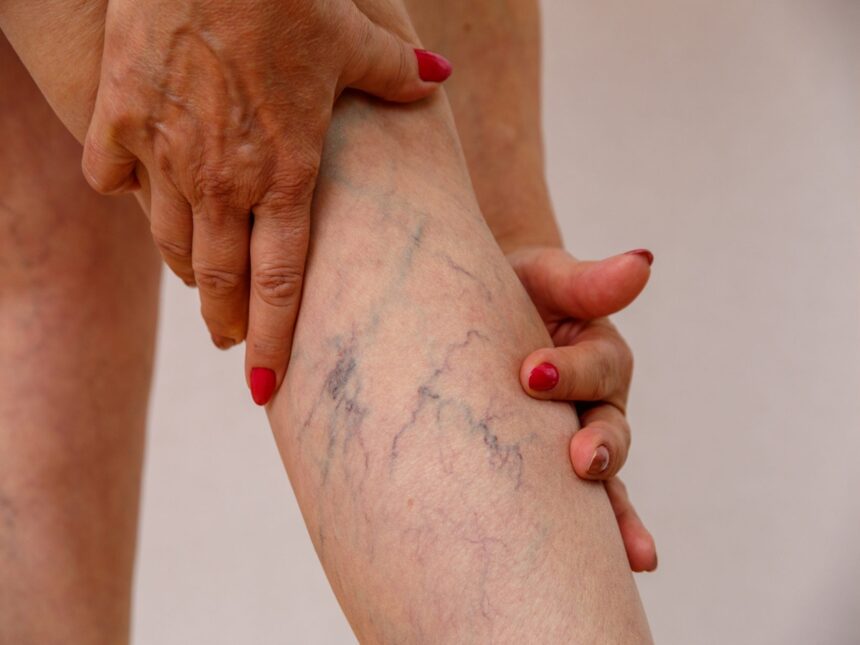
Varicose veins are enlarged, swollen veins that develop when the valves inside the veins become weak or damaged, making it difficult for blood to flow efficiently back to the heart.
These veins are usually visible beneath the skin and often appear blue, purple, or twisted. While they can develop anywhere in the body, they are most commonly found in the legs because the veins there work harder against gravity to return blood to the heart.
Hemorrhoids are also considered a type of varicose vein and may occur around the anus or, in some cases, during pregnancy.
Experts Say Nearly 25–30% of Indians Could Be Affected
In a recent Instagram podcast clip shared by gastroenterologist Dr. Pal Manickam, vascular and interventional radiologist Dr. Rajah V. Koppala discussed the growing prevalence of varicose veins in India.
According to Dr. Koppala, nearly 25% to 30% of Indians may experience varicose veins. He urged people not to ignore warning signs such as persistent leg pain, swelling, or visible enlarged veins and advised seeking medical evaluation at an early stage.
He also recommended undergoing a Doppler ultrasound, a simple imaging test that can help detect blood pooling and assess the condition of the veins.
Why Early Treatment Is Important
Dr. Koppala cautioned that untreated varicose veins can worsen over time.
As the condition progresses, people may notice darkening or discoloration of the skin, particularly around the ankles. In advanced stages, painful leg ulcers may develop, which can be slow to heal.
Although uncommon, blood clots can also form in affected veins. In rare situations, these clots may travel through the bloodstream and cause life-threatening medical emergencies, making early diagnosis particularly important.
What Is a Doppler Ultrasound?
A venous Doppler ultrasound is a safe, painless, and non-invasive test used to evaluate blood flow inside the veins.
The scan helps doctors:
- Detect blood clots (deep vein thrombosis)
- Check whether vein valves are functioning properly
- Identify blood pooling or poor circulation
- Diagnose varicose veins and other venous disorders
The procedure uses ultrasound waves to monitor blood flow and does not involve radiation or surgery.
Common Symptoms of Varicose Veins
Varicose veins can cause more than just visible enlarged veins. Common symptoms include:
- Swollen, bulging veins visible beneath the skin
- Aching, throbbing, or burning pain in the legs
- A feeling of heaviness or tiredness in the legs
- Persistent swelling, especially around the ankles
- Skin discoloration near the affected veins
- Itching or rashes around the veins
- Leg ulcers or wounds that heal slowly
Anyone experiencing persistent symptoms should consult a healthcare professional for evaluation.
Who Is Most at Risk?
Although varicose veins can affect anyone, certain groups have a higher likelihood of developing the condition.
Pregnant Women
Pregnancy increases pressure on the veins in the legs as the growing uterus compresses major blood vessels. Hormonal changes can also relax vein walls, making varicose veins more likely during pregnancy.
People Living With Obesity
Excess body weight places additional pressure on the veins, making it harder for blood to circulate efficiently. In some individuals, excess body fat may also make swollen veins less noticeable, delaying diagnosis.
People Who Stand for Long Hours
Occupations that involve prolonged standing—such as teaching, nursing, retail, factory work, or hospitality—can increase pressure inside the leg veins. Without regular movement, blood may pool in the lower limbs, raising the risk of varicose veins.
Adults Over 50
Ageing naturally weakens the valves inside the veins. As these valves lose efficiency over time, blood can collect in the veins, causing them to enlarge and become varicose.
How Common Are Varicose Veins?
According to Dr. Abhishek Bansal, Senior Consultant and Chief of Interventional Radiology at Aakash Healthcare, studies suggest that about one in four adults experience varicose veins.
The condition is more frequently seen in:
- Women
- Older adults
- People with obesity
- Individuals whose work requires prolonged standing
Don’t Ignore the Warning Signs
While varicose veins may begin as a cosmetic concern, they can gradually progress into a more serious medical condition if left untreated.
If you notice swollen veins, persistent leg pain, heaviness, or skin changes, seeking medical advice early can help prevent complications. A Doppler ultrasound is a quick and effective way to evaluate vein health and determine the most appropriate treatment.
Early diagnosis, lifestyle modifications, and timely medical care can significantly improve symptoms and reduce the risk of long-term complications.