
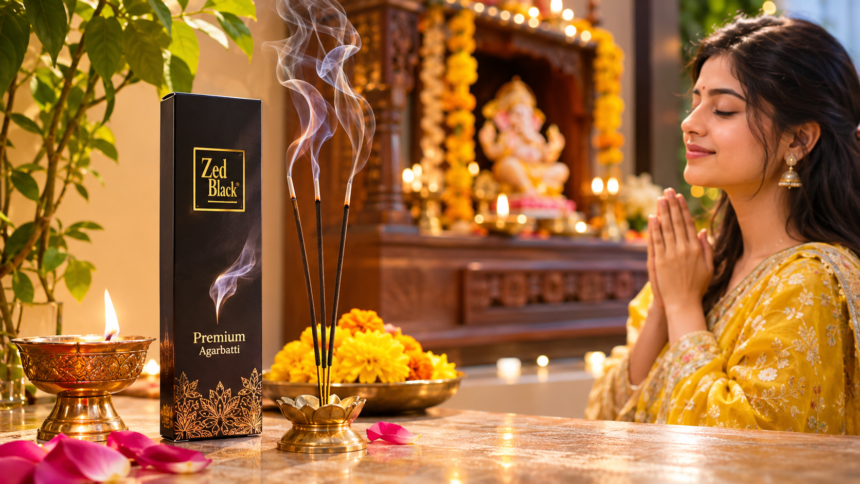
India’s cultural traditions have long been closely linked to daily routines and family life. From lighting a diya in the morning to offering prayers during festivals, these practices have been passed down through generations as expressions of faith, gratitude and togetherness. While their cultural importance remains unchanged, the way people follow them is gradually adapting to modern lifestyles.
Diwali reflects this changing relationship particularly well. The festival is traditionally marked by prayers, elaborate pujas, lighting lamps and family celebrations. Today, however, many households are also bringing elements of these traditions into their everyday lives through simple rituals and moments of reflection.
From Festival Rituals to Everyday Prayer Habits
Small practices such as spending a few minutes in prayer, lighting an agarbatti, performing aarti with camphor or using dhoop and sambrani at home remain familiar across Indian households.
Agarbatti continues to be one of the most commonly used elements of daily worship. Its familiar fragrance and presence in prayer spaces help maintain a connection with traditional routines.
At the same time, convenient products such as sambrani cups and mini hawan products are making traditional aromatic rituals easier to include in modern homes. Along with dhoop and Bhimseni camphor, these options allow people to follow familiar practices without extensive preparation.
How Gen Z Is Connecting with Indian Traditions
Younger Indians are developing their own relationship with culture and spirituality. Although Gen Z is strongly influenced by digital technology and global lifestyles, many are also exploring Indian heritage, personal faith and mindful living.
Their approach to tradition may look different from that of older generations. Some create dedicated prayer corners at home, while others begin their mornings by lighting an agarbatti, take part in family pujas or use familiar fragrances to make their surroundings feel peaceful and welcoming.
Social media has also played a role in bringing these practices to younger audiences. Content featuring Diwali decorations, festive preparations, spirituality and Indian cultural heritage gives them new ways to discover and participate in traditional activities.
For many young people, following traditions is becoming a personal decision rather than simply an inherited responsibility. This changing outlook is helping everyday practices, including the use of agarbatti, remain relevant among younger generations.
Changing Fragrance Preferences in Indian Homes
Fragrance has traditionally been an important part of Indian worship. Agarbatti, dhoop, sambrani and camphor each contribute to the atmosphere of prayer and religious ceremonies.
Among these products, agarbatti has maintained a strong presence in Indian homes. Its availability in different fragrances and formats allows consumers to choose according to their preferences and occasions.
Traditional scents such as sandalwood, rose and jasmine continue to enjoy cultural and emotional significance. However, consumers are also exploring modern fragrance combinations and premium options.
The category is responding to these preferences through developments in agarbatti, contemporary dhoop products, sambrani cups, mini hawan formats and different varieties of camphor, including Bhimseni camphor. These changes demonstrate how traditional products are adapting to contemporary lifestyles while retaining their cultural relevance.
Keeping Traditional Values Alive in Modern Homes
Modern homes increasingly serve as places for working, relaxing and spending time with family. Within these changing environments, simple activities such as lighting a diya, offering prayers or using an agarbatti can create familiar moments of calm and connection.
Traditions continue across generations because they evolve with people’s lives while retaining their underlying meaning. Whether it is a detailed Diwali puja or a short daily prayer, the values of faith, gratitude and togetherness remain important in Indian households.
At Zed Black, this changing connection between consumers and traditional practices is reflected in the company’s agarbatti portfolio. Through distinctive fragrances, product innovation and convenient formats, the brand aims to bring together the familiarity of traditional rituals and the preferences of modern consumers.
Agarbatti continues to hold an important place in everyday Indian worship, even as the ways people incorporate it into their routines continue to change.
Disclaimer: This article is intended for general informational purposes and includes brand-related information about Zed Black. Product preferences and individual experiences may vary.