
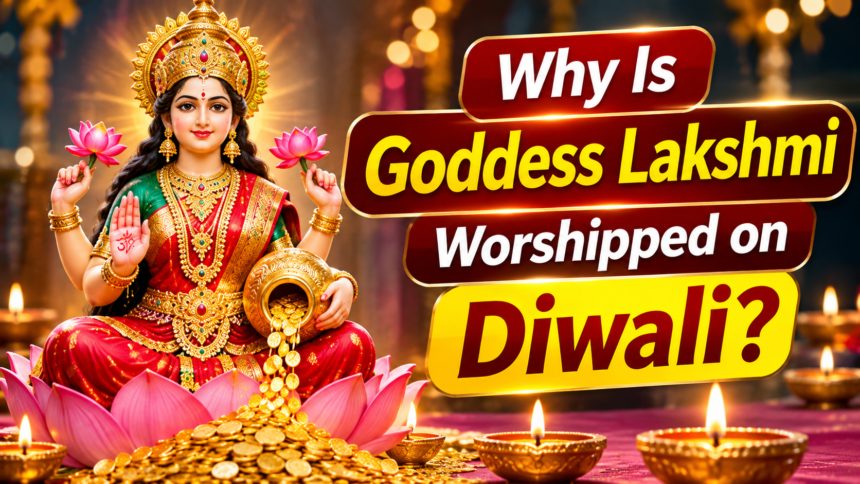
New Delhi: Diwali is one of the most important festivals in Hindu tradition, and worshipping Goddess Lakshmi is a central part of its celebrations. Known as the goddess of wealth, prosperity, good fortune and happiness, Maa Lakshmi is worshipped on Diwali night with diyas, flowers, sweets and traditional prayers.
Devotees believe that Goddess Lakshmi blesses homes that are clean, illuminated and welcoming. Families decorate their entrances, light earthen lamps and perform special puja to seek financial stability, peace and prosperity.
However, the significance of Lakshmi Puja goes beyond wealth and material success. Hindu mythology connects the goddess with the famous Samudra Manthan, or churning of the cosmic ocean. Her appearance during this event represents the arrival of prosperity, harmony and auspiciousness. Here is the story behind Lakshmi Puja and why millions of devotees worship her on Diwali.
Story of Goddess Lakshmi’s Birth During Samudra Manthan
One of the most well-known accounts of Goddess Lakshmi’s appearance is described in Hindu scriptures, including the Vishnu Purana.
According to the traditional story, the gods once lost their strength, prosperity and divine splendour following a curse associated with Lord Indra. To overcome this situation, they approached Lord Vishnu for guidance.
Lord Vishnu advised the gods to work together with the asuras to churn the Ocean of Milk, an event known as Samudra Manthan. Their objective was to obtain amrita, the nectar of immortality.
During this extraordinary churning, several divine treasures and precious objects emerged from the ocean. Goddess Lakshmi was among them. Her appearance brought renewed prosperity, beauty and auspiciousness to the divine world.
The story highlights an important spiritual belief: true prosperity is not limited to money or possessions. It also includes harmony, happiness, balance and the conditions needed for life to flourish.
Although Samudra Manthan is closely associated with the appearance of Goddess Lakshmi, it is not considered the only explanation for the origin of Diwali celebrations.
Why Is Goddess Lakshmi Worshipped on Diwali Night?
Diwali is celebrated on Kartik Amavasya, the new moon day of the Hindu lunar calendar. On this occasion, devotees worship Goddess Lakshmi during the evening and illuminate their homes with traditional lamps.
According to a popular Hindu belief, Goddess Lakshmi visits homes that are clean, bright and beautifully prepared to welcome her blessings. This is why household cleaning and decoration begin several days before Diwali.
People decorate their entrances with rangoli, place diyas near doors and windows, and prepare their prayer rooms for the evening rituals.
Each tradition carries a symbolic meaning. Cleaning the house represents removing negativity and preparing for auspiciousness, while lighting lamps signifies hope, positivity and the victory of light over darkness.
For many families, Lakshmi Puja is also an opportunity to express gratitude for what they have received and pray for financial security, good health and happiness in the coming year.
What Does Goddess Lakshmi Symbolise Beyond Wealth?
Goddess Lakshmi is widely recognised as the deity of wealth and prosperity. However, her religious significance extends beyond financial success. Her traditional appearance contains several symbols associated with different forms of prosperity.
- Lotus flower: Represents purity, beauty and spiritual development, even in difficult circumstances.
- Gold coins: Symbolise abundance, financial prosperity and divine blessings.
- Elephants: Represent auspiciousness, strength, royal dignity and abundance.
- Blessing gesture: Her raised hand signifies protection, reassurance and the granting of blessings.
These symbols remind devotees that prosperity is not measured only by the amount of money someone possesses. Good health, peaceful family relationships, happiness and the wisdom to use resources responsibly are also important aspects of a fulfilling life.
Why Is Goddess Lakshmi Associated With Lord Vishnu?
In Vaishnava traditions, Goddess Lakshmi is regarded as the consort of Lord Vishnu, who is responsible for preserving and sustaining the universe.
Their divine association represents the relationship between preservation, stability and prosperity. Lakshmi is also connected with different incarnations of Lord Vishnu.
For example, during the story of Lord Rama, Goddess Lakshmi is believed to have appeared as Goddess Sita.
This connection also explains why different religious traditions are associated with Diwali. In many parts of North India, the festival commemorates the return of Lord Rama, Goddess Sita and Lakshmana to Ayodhya after 14 years of exile and Rama’s victory over Ravana.
People light lamps to celebrate their return, while Lakshmi Puja remains an important part of the festival’s religious observance.
How Do Families Perform Lakshmi Puja on Diwali?
Lakshmi Puja is generally performed in the evening, although specific rituals and customs can differ between regions and families.
The worship usually begins with cleaning the puja area and arranging idols or pictures of Goddess Lakshmi and Lord Ganesha. Devotees light a diya and offer flowers, fruits, sweets and incense while reciting prayers.
Many families also worship their account books, business records and coins during the ceremony. This tradition reflects their prayers for financial stability, success in business and wisdom in managing money.
The evening worship generally concludes with Lakshmi Aarti, followed by prayers and family celebrations.
In 2026, Diwali will be celebrated on Sunday, November 8. The appropriate Lakshmi Puja Muhurat may differ from one city to another, so devotees should consult their local Panchang for the correct timing.
What Is the Deeper Meaning of Lakshmi Puja on Diwali?
The importance of Lakshmi Puja goes beyond asking for wealth and material comforts. It encourages people to welcome prosperity with gratitude, responsibility and generosity.
The lamps illuminated during Diwali represent more than festive decoration. They also remind devotees to remove ignorance, overcome negativity and bring positivity into their lives.
For families, the occasion is a time to come together, offer prayers and hope for a better year ahead. Whether someone seeks financial progress, good health, stronger relationships or new opportunities, Lakshmi Puja provides a meaningful spiritual occasion to express those wishes.
Ultimately, worshipping Goddess Lakshmi on Diwali represents the desire to welcome not just material abundance but also peace, wisdom, happiness and contentment into everyday life.
Disclaimer
This article is intended for general informational and religious purposes only. Mythological stories, religious interpretations and puja traditions may vary across Hindu scriptures, communities and regions. Festival dates and auspicious timings are subject to local Panchang calculations. Readers are advised to consult their regional Panchang or knowledgeable religious authorities for specific puja timings and rituals.