
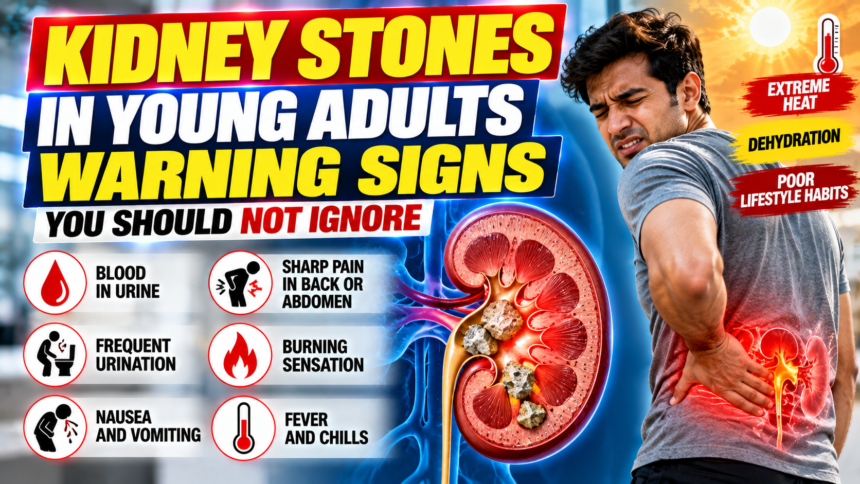
Kidney stones are often associated with older adults, but the condition is increasingly being seen among younger people as well. Adults in their 20s and 30s can also develop kidney stones, with factors such as extreme heat, dehydration and unhealthy lifestyle habits increasing the risk.
Kidney stones form when certain salts and minerals present in urine combine and become hard deposits. In many cases, there are no noticeable symptoms while the stone remains in the kidney. Problems can begin when the stone moves into the urinary tract.
Dehydration Can Increase Kidney Stone Risk
Not drinking enough water is one of the major factors linked to kidney stone formation. When the body becomes dehydrated, urine becomes more concentrated, allowing substances such as calcium, oxalate and uric acid to come together and form crystals that can eventually develop into stones.
Hot weather can further increase the risk because the body loses more water through sweating. Despite this, people may not consume enough fluids to replace the water they lose.
The risk can become particularly concerning during periods of extreme heat, while poor lifestyle habits may add to the problem.
Common Symptoms of Kidney Stones
Kidney stones may cause severe and sudden pain once they enter the urinary tract. A sharp pain on one side of the back or in the lower abdomen can be an important warning sign.
Changes in urine can also indicate a possible problem. Urine may appear pink or red if blood is present. Other symptoms can include a burning sensation while urinating and the need to urinate frequently.
Nausea and vomiting may also occur, sometimes without an obvious reason. Fever and chills are additional symptoms that can accompany a kidney stone problem.
Why Young Adults Should Pay Attention
The belief that kidney stones mainly affect older people may cause younger adults to overlook early warning signs. However, people between 20 and 30 years can also develop the condition.
Dehydration, particularly during extreme heat, can increase urine concentration and contribute to stone formation. Recognising symptoms such as sudden severe pain, changes in urine colour, burning during urination, frequent urination, nausea, vomiting, fever or chills can help identify a possible kidney stone problem.
Disclaimer: This article is intended for general informational purposes only and should not be considered medical advice. Symptoms can vary from person to person, and anyone experiencing concerning or persistent symptoms should consult a qualified healthcare professional for proper evaluation and treatment.