
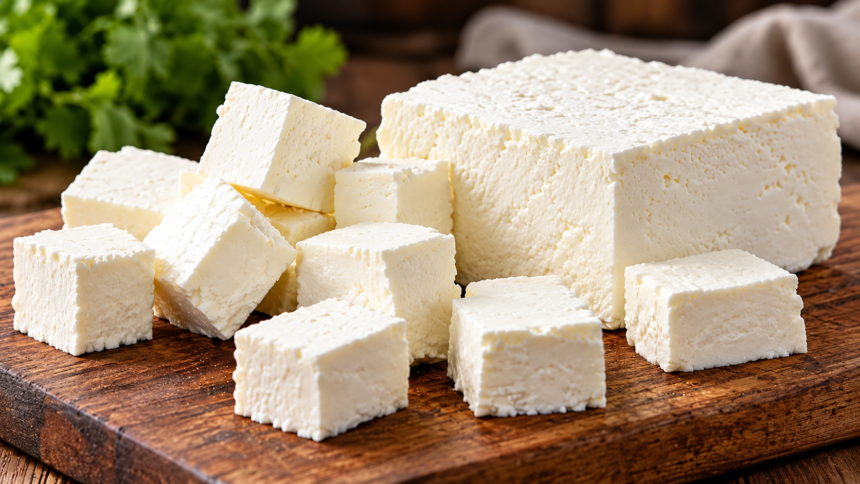
The difference between traditional paneer and analogue paneer goes beyond appearance. While both products may look and feel similar, analogue paneer can contain non-dairy ingredients, resulting in a nutritional profile that differs from paneer made entirely from milk.
With the Food Safety and Standards Authority of India (FSSAI) issuing a notification on the subject, questions around analogue paneer and its health implications have gained attention. Dr. Shalini Garwin Bliss, Head-Dietetics at PSRI Hospital, New Delhi, explains what analogue paneer contains, how it differs from dairy paneer and what consumers should consider before buying it.
What Is Analogue Paneer?
Analogue paneer is made to resemble conventional paneer in terms of appearance and texture but may contain ingredients that are not derived from milk. Depending on the product, milk components can be replaced or combined with ingredients such as vegetable fats, starches and plant-based proteins.
Traditional paneer is produced by coagulating milk, meaning its nutritional composition mainly comes from dairy ingredients.
According to Dr. Bliss, the difference between the two products may not always be easy to identify by simply looking at them. Consumers should therefore pay attention to the product’s ingredients rather than relying only on its colour, texture or appearance.
Can Eating Analogue Paneer Affect Health?
Dr. Bliss said that consuming an analogue product occasionally does not necessarily mean it will cause a health problem. The concern becomes more relevant when consumers regularly eat an analogue product believing it to be conventional dairy paneer.
The nutritional content of analogue paneer depends on the ingredients used in its preparation. Some products may contain less dairy protein while having higher amounts of vegetable fat or starch.
This can be important for people who specifically include paneer in their diet as a source of protein. Regularly replacing dairy paneer with an analogue product without knowing the difference could mean they receive less of the protein and other nutrients they expect from traditional paneer.
Dr. Bliss emphasised that analogue paneer should not automatically be considered harmful. Instead, consumers should understand its composition, how much they are eating and what is actually listed on the product.
How to Identify Analogue Paneer
Appearance alone may not be enough to distinguish analogue paneer from traditional dairy paneer. Manufacturers can produce analogue products that closely resemble conventional paneer in terms of softness, colour and texture.
For packaged products, checking the ingredient list is one of the most useful ways to identify what you are buying. Ingredients such as vegetable oil, vegetable fat, starch or plant proteins can indicate that the product contains non-dairy components.
Consumers should also check the product name and packaging for declarations indicating that it is an analogue product or that it does not contain milk fat or milk protein.
What About Loose Paneer?
Identifying analogue paneer can be more difficult when buying loose paneer because there is generally no ingredient label available for consumers to check.
In such cases, buyers have limited information about the ingredients and preparation of the product. Dr. Bliss therefore recommends purchasing paneer from a reliable and properly licensed source.
Ultimately, understanding the ingredients and checking product information can help consumers make informed choices about the type of paneer they are adding to their diet.