
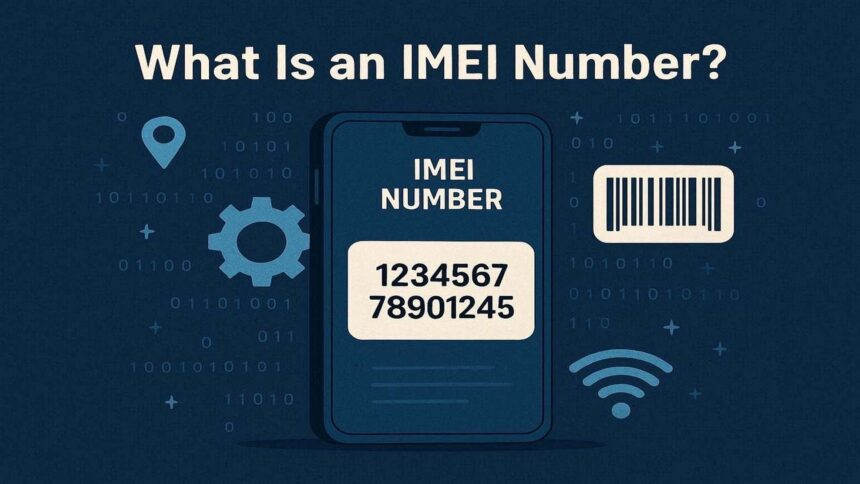
IMEI tampering refers to altering, deleting or misusing the unique identification number assigned to a mobile device. In India, such activity is prohibited under telecom regulations, with the Telecommunications Act, 2023 providing penalties of up to three years in prison, a fine of up to Rs 50 lakh, or both for specified violations.
The issue has received greater attention as the number of mobile devices connected to India’s telecom networks continues to grow. In July 2026, the country had 1,204.01 million active wireless mobile subscribers, making reliable device identification an important part of telecom and digital security.
The government has also highlighted the responsibilities of manufacturers, importers, retailers, brand owners and consumers in preventing the misuse of device identifiers.
What is an IMEI number?
IMEI stands for International Mobile Equipment Identity. It is a unique 15-digit number used to identify a mobile device on a telecom network.
The first eight digits form the Type Allocation Code (TAC), which identifies the device model or type. The GSMA allocates TACs to manufacturers and brand owners, while manufacturers assign unique IMEI numbers to individual devices.
Phones with two SIM slots can generally have two separate IMEI numbers, with one assigned to each SIM slot.
Consumers can find the IMEI of a handset by dialling *#06#. Device information can also be checked through the government’s Sanchar Saathi portal or mobile application. Another option is to send an SMS in the format KYM followed by the 15-digit IMEI number to 14422.
What is IMEI tampering and why does it matter?
IMEI tampering covers attempts to remove, change or otherwise manipulate the unique identification number of a mobile device.
The rules also address the knowing use, manufacture, sale, trafficking, possession or control of hardware or software intended to alter an IMEI. Similar provisions apply to people who knowingly control equipment or software used for modifying device identifiers.
Manipulating an IMEI can make it harder to correctly identify a handset operating on a telecom network. This can create challenges for telecom operators, consumers and law enforcement agencies, particularly when dealing with lost, stolen or improperly modified devices.
Maintaining genuine and unique IMEI numbers therefore helps ensure that mobile devices can be accurately identified when they connect to telecom networks.
What manufacturers, importers and retailers need to check
IMEI security begins before a device reaches a consumer. Manufacturers of telecom equipment made in India and intended for use in the country must register the IMEI numbers of their devices before their first use, sale, testing, research or other applicable activity.
The registration process is carried out through the Device Setu–Indian Counterfeit Device Restriction (ICDR) portal. Manufacturers are also required to ensure that devices carry valid, unique and untampered IMEI numbers.
Importers, where applicable, must register equipment with the Central Government before importing it into India for sale, testing, research and development or other purposes. They must also ensure that imported devices carry authorised and appropriate IMEI numbers.
Retailers and used-phone sellers also have responsibilities. Before selling a device, they should ensure that its IMEI is valid and has not been tampered with. Used-phone dealers have specifically been advised to check whether a device’s IMEI is associated with a tampered or blacklisted handset.
Brand owners are similarly responsible for ensuring that devices sold under their brands meet applicable IMEI registration and cybersecurity requirements. They are required to register through the Device Setu–ICDR system and link their devices with the relevant GSMA TAC.
What consumers should avoid and how to check a phone
Consumers should not purchase, assemble or use equipment containing a SIM box, module or modem with a configurable or tampered IMEI.
They should also avoid obtaining SIM cards through fake documents, fraud, cheating or impersonation. A SIM card should not be handed over to another person who could use it for their own purposes.
Users are also advised to stay away from applications, websites and other services that claim to modify Calling Line Identity or other telecom identifiers.
For anyone buying a new or second-hand phone, checking the IMEI is an important step. After dialling *#06# to obtain the device’s IMEI, consumers can use Sanchar Saathi to check information such as the handset’s brand, model and manufacturer. Comparing the information can help determine whether the device details correspond with the government’s records.
What to do if your phone is lost or stolen
If a mobile phone is lost or stolen, users should first report the incident to the local police and keep a copy of the complaint.
The next step is to obtain a replacement SIM from the telecom operator for the missing number. Under TRAI guidelines, SMS services remain restricted for the first 24 hours after a replacement SIM is activated.
Because Sanchar Saathi’s blocking process uses OTP verification, users must therefore wait 24 hours before submitting a request to block the lost or stolen handset.
The blocking request can then be submitted through the Sanchar Saathi CEIR application or website. Users need to provide the required documents, including the police complaint and valid identity proof. After submission, a unique Request ID is generated, which can be used to track the application.
If the missing handset is subsequently recovered, the user should inform the police and use the Request ID to submit a request to unblock the device.