
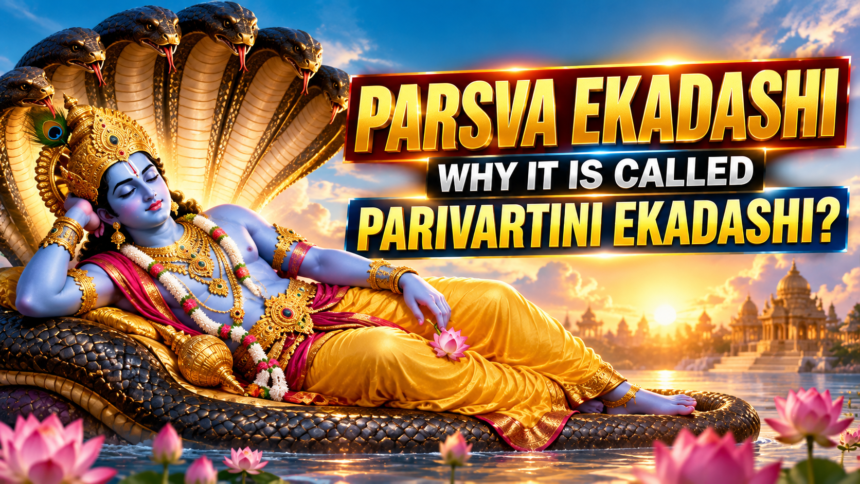
Parsva Ekadashi, also known as Parivartini Ekadashi, will be observed on Tuesday, September 22, 2026. The Ekadashi is also referred to as Padma Ekadashi and Vamana Ekadashi in different Hindu traditions.
The name Parivartini is linked to the Sanskrit concept of parivartana, which means a change, turn or shift in position. According to traditional beliefs, this refers to Lord Vishnu changing his sleeping posture during the Chaturmas period.
How Did Parsva Ekadashi Get Its Name?
The tradition is connected with Devshayani Ekadashi, which marks the beginning of the period when Lord Vishnu is believed to enter yoga nidra, or divine sleep, during Chaturmas.
In devotional traditions, Vishnu is described as resting on Sheshnag in the Kshira Sagar, the cosmic ocean. His divine sleep is traditionally believed to continue until Devutthan Ekadashi, when he awakens.
Parsva Ekadashi occurs during this period of rest. According to the traditional belief, on Bhadrapada Shukla Ekadashi, Vishnu does not wake up but turns from one side to the other while remaining asleep.
This act of turning is known as parivartana, which is why the day is called Parivartini Ekadashi.
What Does Parsva Mean?
The word parsva in Sanskrit refers to a side or flank. The name Parsva Ekadashi is therefore connected to the belief that Lord Vishnu changes the side on which he rests during his divine sleep.
Both names describe the same traditional event:
- Parsva refers to the side.
- Parivartini refers to the turning or change in position.
The two names are therefore closely associated with the same belief surrounding Vishnu’s posture during Chaturmas.
Why Is Vishnu’s Turning Significant?
The traditional account does not describe this event as Vishnu waking from his cosmic sleep. Instead, he is believed to remain asleep while simply changing his position.
This creates a sequence within the Chaturmas tradition. Devshayani Ekadashi marks the beginning of Vishnu’s sleep, Parsva or Parivartini Ekadashi represents the change in posture, and Devutthan Ekadashi is associated with his eventual awakening.
Some Vaishnava traditions also use the term parivartan for this change, further linking the observance with the idea of transformation or movement.
Why Is It Also Called Vamana Ekadashi?
Parsva Ekadashi is known by another name, Vamana Ekadashi, because of its association with Lord Vishnu’s Vamana Avatar.
The traditional story involves Vamana and King Bali. Vamana asks Bali for three paces of land before taking a vast cosmic form and covering the worlds with his steps. When a place remains for the final step, Bali offers himself.
The different names of this Ekadashi therefore reflect different aspects of the traditional stories and beliefs associated with Lord Vishnu.
Disclaimer: This article presents traditional religious beliefs and stories associated with Parsva Ekadashi. Interpretations, names and observances may vary among different Hindu and Vaishnava traditions.