
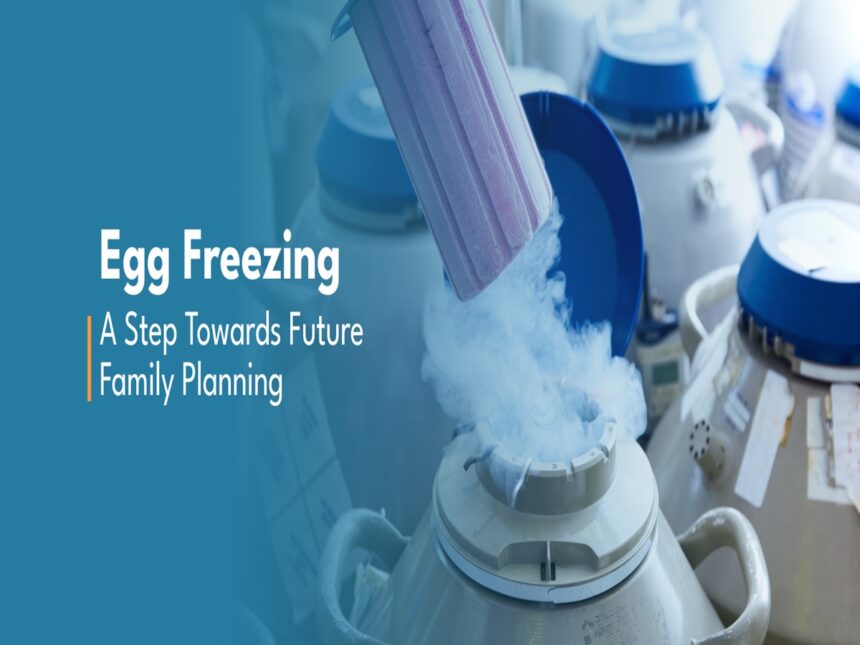
As more women choose to delay marriage or motherhood for personal, educational, or career reasons, egg freezing has become an increasingly popular fertility preservation option. It offers the flexibility to plan for the future without feeling pressured by the biological clock.
However, one of the most common questions women have is: How many eggs should you freeze to improve your chances of having a baby later?
According to fertility specialist Dr. Maree Lee, the answer depends on several factors, including your age, ovarian reserve, overall health, and future family plans. In an Instagram post shared on July 11, 2026, Dr. Lee explained how age influences the number of eggs needed and the likelihood of a successful pregnancy.
Why the Number of Frozen Eggs Matters
Dr. Lee says that by the time many women visit a fertility clinic, they have already decided to freeze their eggs. The bigger question is determining how many eggs should be stored to maximize future success.
Some women may achieve their target in a single egg-freezing cycle, while others may require two or more cycles. The right strategy varies from person to person, which is why consulting an experienced fertility specialist is essential.
According to Dr. Lee, the goal isn’t simply to freeze eggs—it is to create a personalized fertility plan that aligns with your long-term family goals.
Recommended Number of Eggs and Success Rates by Age
Women Under 35 Years
Women under 35 generally have the highest egg quality and quantity.
According to Dr. Lee:
- 10 frozen eggs offer approximately a 71% to 75% chance of having at least one baby in the future.
- Many women in this age group can collect enough eggs in one stimulation cycle.
- Although success is never guaranteed, freezing eggs at a younger age significantly improves the odds.
Women Aged 35 to 37 Years
Fertility gradually begins to decline during the mid-thirties, but egg freezing can still offer encouraging results.
Dr. Lee explains:
- Freezing 10 eggs provides around a 57% to 67% chance of having at least one child.
- The exact success rate depends on an individual’s ovarian reserve and overall reproductive health.
- While some women achieve their goal in one cycle, others may benefit from a second cycle.
Women Between 38 and 40 Years
Egg quality declines more rapidly after the age of 38, making it more challenging to achieve the same outcomes.
According to Dr. Lee:
- 10 frozen eggs provide roughly a 34% to 51% chance of having one baby.
- Many women in this age group require multiple egg-freezing cycles to build an adequate reserve.
- At this stage, treatment planning often focuses on how many cycles may realistically be needed.
Women Aged 41 Years and Above
After 40, both egg quality and quantity decrease significantly.
Dr. Lee notes that:
- 10 frozen eggs offer only about a 12% to 26% chance of achieving at least one successful pregnancy.
- Women in this age group should discuss all available fertility options with a specialist to determine whether egg freezing remains the most suitable choice or if alternative approaches may provide better outcomes.
Does Freezing More Eggs Guarantee Pregnancy?
Dr. Lee emphasizes that no specific number of frozen eggs can guarantee a future pregnancy.
Instead, understanding your fertility status, age-related success rates, and reproductive health helps you make informed decisions about family planning.
Knowing your numbers allows you to create a realistic fertility strategy rather than relying on assumptions or delaying important decisions without proper information.
Why a Personalized Fertility Plan Is Important
Every woman’s fertility journey is unique. Factors such as age, ovarian reserve, hormone levels, and family goals all influence how many eggs should ideally be frozen.
A fertility specialist can assess these factors and recommend:
- The estimated number of eggs needed
- Whether one or multiple retrieval cycles may be beneficial
- The most appropriate timeline for egg freezing
- Alternative fertility preservation options if required
Final Thoughts
Egg freezing offers women greater flexibility in planning pregnancy, but timing plays a crucial role. In general, freezing eggs at a younger age increases the likelihood of future success because both egg quality and quantity are higher.
While 10 frozen eggs may provide a strong chance of having a baby for women under 35, older women often need additional eggs or multiple cycles to achieve similar success rates.
Ultimately, the best approach is to consult a qualified fertility specialist who can develop a personalized plan based on your age, reproductive health, and future family goals.
Disclaimer: This article is intended for informational purposes only and should not be considered medical advice. Egg-freezing outcomes vary from person to person depending on age, ovarian reserve, overall health, and other medical factors. Always consult a qualified fertility specialist before making decisions about fertility preservation.