
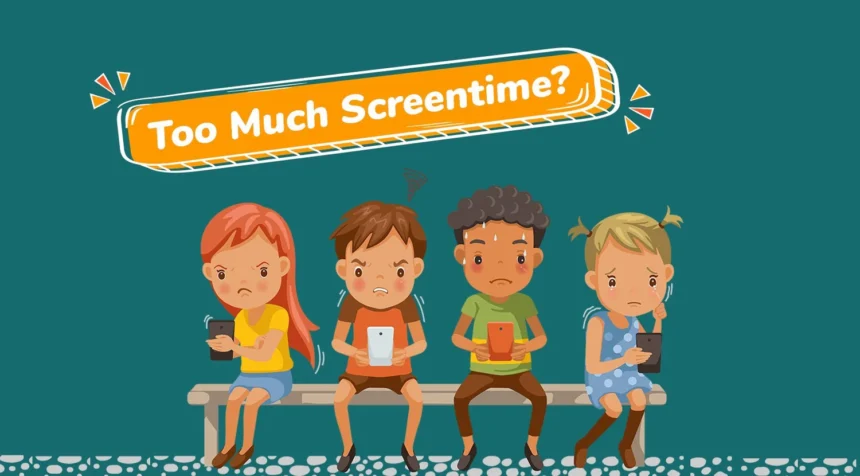
In today’s digital world, smartphones, tablets, televisions, and computers have become a part of everyday life. As a result, one question continues to concern parents: How much screen time is actually safe for children?
While researchers have studied the effects of screens on children’s physical and mental development for years, there is still no universal international guideline that defines an exact “safe” amount of daily screen time. One reason is that every child develops differently, and technology evolves much faster than scientific research can keep up with.
However, pediatricians, child psychologists, media experts, and addiction specialists largely agree on one thing—limiting unnecessary screen exposure during childhood is beneficial, especially in the early years of life.
Why Early Childhood Should Be Mostly Screen-Free
Health experts believe that the first few years of a child’s life should focus on exploring the real world rather than digital screens.
Pediatrician Dr. Ulrike Gaiser, who helped develop Germany’s media guidelines for children, recommends keeping children screen-free until the age of three, explaining that young children neither need nor fully understand digital content at this stage.
The World Health Organization (WHO) takes a slightly less restrictive approach, advising that children aged two years and older should have no more than one hour of screen time per day, while emphasizing that less screen exposure is even better.
During infancy and toddlerhood, children build essential skills by interacting with people and their surroundings. They learn to observe, focus attention, solve simple problems, and understand patience—skills that cannot be developed through constant digital stimulation.
How Excessive Screen Time Can Affect Child Development
Experts say screens do more than occupy a child’s attention—they often replace valuable developmental experiences.
According to child psychologist Julia Asbrand from Jena University, young children often struggle to distinguish between fantasy and reality. Scenes they watch on television or social media may feel completely real, making frightening content especially overwhelming.
Another concern is the loss of face-to-face interaction. Studies suggest that every minute a child spends looking at a screen may reduce the number of words they hear from parents. Over time, this can influence vocabulary development, communication skills, and overall language growth.
Research also links excessive screen use with:
- Delayed language development
- Poorer attention span
- Reduced fine motor skills
- Fewer social interactions
- Lower emotional regulation
Recommended Screen Time by Age
Although recommendations vary slightly across organizations, many child development experts suggest the following limits for recreational screen use.
Birth to 3 Years
- Avoid screen exposure whenever possible.
- Encourage physical play, talking, reading, and exploration.
3 to 6 Years (Preschool Age)
- Limit screen time to around 30 minutes per day.
- Focus on creative play, storytelling, outdoor activities, and social interaction.
6 to 9 Years (Primary School)
- Around 30 to 45 minutes of supervised screen time daily is generally considered appropriate.
- Parents should monitor both the content and how children use digital devices.
9 to 12 Years
- Experts recommend limiting recreational screen use to 45 to 60 minutes daily.
- Digital activities should be balanced with sports, hobbies, and family time.
12 to 16 Years
- Recreational screen time should ideally remain between one and two hours per day.
- Parents should encourage healthy online habits and maintain open conversations about internet safety.
16 to 18 Years
- Around two hours of leisure screen time daily is generally recommended, alongside responsible digital behaviour and healthy routines.
Why Play Is More Important Than Screens
Before children begin school, they develop essential life skills through imaginative play and real-world experiences.
Activities such as running, building, drawing, reading, and playing with friends help children improve coordination, creativity, emotional intelligence, and problem-solving abilities.
Experts believe that when children spend too much time consuming ready-made digital entertainment, they have fewer opportunities to develop their imagination and independent thinking.
Digital Devices Aren’t Always Harmful
Experts stress that technology itself is not the enemy. Educational apps, language-learning platforms, online classrooms, and video calls with family members can provide meaningful benefits when used appropriately.
The key is not only how long children spend on screens but also what they are watching and how they interact with digital content.
Positive digital experiences can include:
- Educational videos
- Language learning
- School assignments
- Creative projects
- Safe communication with family and friends
- Exploring hobbies and interests
Helping Teenagers Build Healthy Screen Habits
As children grow older, completely banning smartphones becomes unrealistic.
Instead, experts encourage parents to stay involved by asking questions about what their children watch online and creating an environment where they feel comfortable discussing anything they encounter on the internet.
Open communication is especially important because teenagers may face online risks such as cyberbullying, inappropriate content, scams, or grooming. When children trust their parents, they are more likely to seek help if something makes them uncomfortable.
Tips for Parents to Manage Screen Time
Parents can support healthy digital habits by following a few simple strategies:
- Set clear daily screen-time limits.
- Watch content together whenever possible.
- Encourage outdoor play and offline hobbies.
- Create device-free times, especially during meals and before bedtime.
- Avoid using screens as a reward or distraction.
- Be a role model by following the same digital rules yourself.
- Keep communication open so children feel safe discussing online experiences.
Many families also find it helpful to establish a household rule where all electronic devices—including parents’ phones—are put away or switched off at a fixed time each evening.
Final Thoughts
There is no single screen-time rule that works for every child. However, experts agree that real-world experiences, family interaction, physical activity, and imaginative play should always take priority over recreational screen use, especially during early childhood.
Rather than focusing only on the number of hours children spend with screens, parents should pay close attention to the quality of digital content, encourage balanced daily routines, and maintain open conversations about online safety. A thoughtful approach to technology can help children enjoy its benefits while supporting healthy physical, emotional, and cognitive development.