
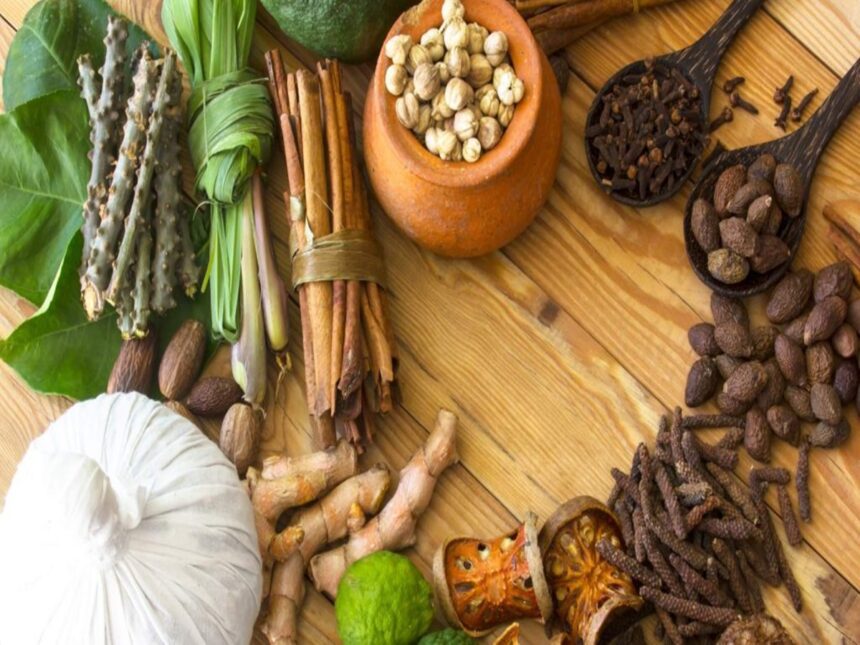
For generations, men’s wellness in India was approached as part of everyday living rather than something addressed only after health problems appeared. Traditional Ayurvedic practices placed importance on maintaining physical strength, energy, mental wellbeing and reproductive vitality through nutrition, lifestyle and herbs.
Modern lifestyles, however, have changed considerably. Long working hours, high stress, inadequate sleep and increasingly sedentary routines can contribute to tiredness, reduced energy and poor physical resilience. As a result, many men are exploring traditional wellness ingredients as part of a broader approach to maintaining their health.
Mool Meena, founder of Sheopals, says traditional Ayurvedic ingredients such as Ashwagandha and Gokhru are increasingly being incorporated into modern wellness routines.
Research has also examined several of these nutrients and herbs. Studies available through PubMed suggest that Ashwagandha may help with stress management and sleep quality, while zinc plays an important role in immune function and several hormone-related processes. Research into amino acids has also explored their role in muscle recovery and metabolic health.
The growing body of research is bringing renewed attention to traditional ingredients, although they should be viewed as supportive components of a healthy lifestyle rather than instant solutions.
Traditional Ayurvedic Ingredients, Revisited for Modern Life
1. Ashwagandha
Ashwagandha has been used in Ayurveda for centuries and is traditionally classified as a rasayana, a category associated with rejuvenation and long-term wellbeing.
Rather than being viewed as a source of an immediate energy boost, Ashwagandha is traditionally associated with maintaining strength and resilience. Modern wellness practices have particularly focused on its potential role in stress management, relaxation and sleep.
For men dealing with demanding schedules and prolonged stress, it is increasingly being considered as part of a broader strategy for supporting mental and physical wellbeing.
2. Kaunch Beej and Safed Musli
Kaunch beej, also known as velvet bean, and safed musli have a long history in traditional Indian wellness practices.
Traditionally, these ingredients were associated with restoring vitality following periods of weakness and supporting overall physical resilience. In contemporary wellness discussions, their potential relevance is often linked to energy metabolism, muscle recovery and endurance.
The broader idea behind their traditional use is not a sudden boost in strength, but sustained physical wellbeing when combined with appropriate nutrition, rest and regular activity.
3. Gokhru
Gokhru has traditionally been associated with men’s reproductive health, but its Ayurvedic applications have been broader.
Traditional practices have also connected Gokhru with fluid balance and overall bodily function. Modern wellness discussions are exploring its potential relevance to metabolic and cardiovascular wellbeing, although evidence for specific health claims varies.
The traditional approach views vitality as the result of balance across multiple body systems rather than focusing on a single aspect of men’s health.
4. Ginseng
Ginseng has a long history of traditional use and has also become a widely studied ingredient in modern nutritional and wellness products.
It is commonly associated with energy, stamina, concentration and mental alertness. Unlike relying heavily on caffeine for short-lived bursts of energy, ginseng is often positioned as a potential option for supporting sustained energy and focus.
For people dealing with demanding work schedules, maintaining consistent energy levels can be more useful than repeatedly relying on stimulants that may be followed by energy crashes.
Zinc and Amino Acids Also Matter
Herbal ingredients are only one part of maintaining men’s health. Essential nutrients such as zinc and adequate dietary amino acids also play important roles in the body.
Zinc contributes to normal immune function and is involved in several biological processes, including hormone-related pathways. Amino acids, meanwhile, are essential building blocks of proteins and play an important role in muscle maintenance and recovery.
A well-balanced diet can provide many of these nutrients, while supplementation may be appropriate in certain situations based on individual nutritional needs.
The Bigger Picture: Strength Comes From Balance
Ayurveda traditionally emphasises balance, consistency and prevention rather than quick fixes. That philosophy can still be relevant in modern life, where stress, poor sleep, inactivity and inadequate nutrition can affect energy and overall wellbeing.
Ashwagandha, Kaunch beej, Safed Musli, Gokhru and Ginseng have all attracted interest for their traditional uses and potential modern applications. However, no single herb can replace a nutritious diet, regular physical activity, sufficient sleep and professional medical care when needed.
For men looking to improve strength and stamina, the most sustainable approach is therefore a combination of balanced nutrition, exercise, adequate recovery and healthy lifestyle habits, with traditional ingredients considered as complementary support rather than miracle remedies.