
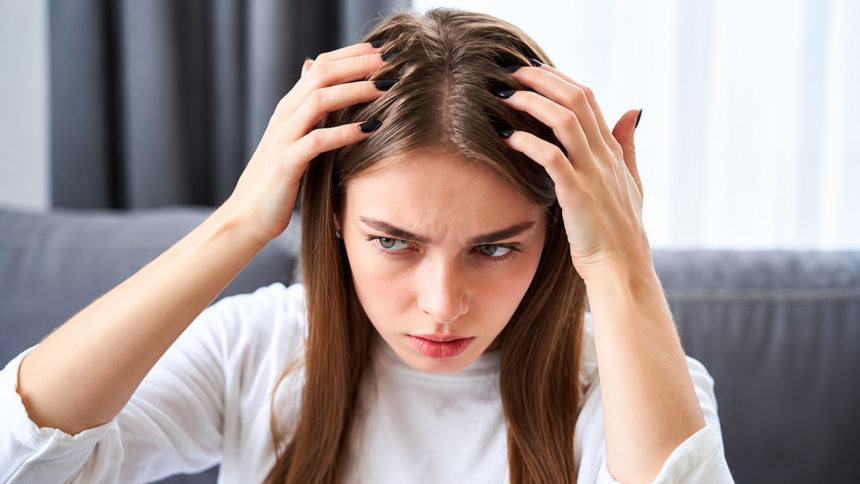
Winter often brings an unwelcome hair care problem: white flakes appearing on dark-coloured clothes. While dandruff is usually the first suspected cause, a dry scalp can produce similar symptoms. Using a strong anti-dandruff shampoo without identifying the actual issue may worsen the condition instead of providing relief.
Dr Nirupama Parwanda, founder of Zolie Skin Clinic, explains that dry scalp and dandruff can look alike, but treating them in the same way may increase itching, flaking and irritation. Understanding the differences between the two conditions is essential for choosing the right hair care routine, particularly during colder months.
Dry Scalp vs Dandruff: How to Identify the Difference
Although both conditions can cause itching and visible flakes, their underlying causes and symptoms are different.
Dry Scalp
A dry scalp develops when the skin loses moisture, much like the skin on the hands during winter. People experiencing this condition may notice tightness, particularly after washing their hair, along with small, fine, white flakes.
The itching may become more noticeable as temperatures drop. Several everyday habits can aggravate the problem, including using harsh shampoos, taking long, hot showers and spending time in rooms with indoor heating.
In these cases, the scalp needs gentle care and support to maintain its moisture rather than unnecessarily strong cleansing products.
Dandruff
Dandruff is associated with an imbalance involving a naturally occurring yeast on the scalp, oil production and skin sensitivity. Unlike the fine flakes typically associated with dryness, dandruff flakes are often larger and may appear slightly yellowish or oily.
The scalp may also feel greasy or irritated instead of tight and dry.
Since both conditions can cause itching and visible flakes, appearance alone may not always be enough to determine the correct treatment. Identifying the underlying cause is important before changing your hair care routine.
Common Hair Care Mistakes That Can Worsen Scalp Problems
Using the wrong products or following unsuitable hair care habits can make winter scalp problems more uncomfortable. Two common mistakes deserve particular attention.
1. Washing Too Frequently With Strong Shampoos
When flakes appear, many people begin washing their hair daily with powerful anti-dandruff shampoos. While ingredients such as ketoconazole can help manage dandruff, these products may not be appropriate for every flaky scalp.
If the underlying problem is dryness or sensitivity, frequent washing and strong formulations can remove natural oils, leaving the scalp drier and more irritated.
Choosing a shampoo based on the actual cause of the flaking is therefore important.
2. Applying Too Much Hair Oil
Oiling the hair is a common winter practice, and certain oils may help retain moisture when the scalp is dry. However, applying excessive oil is not a solution for dandruff.
For some people, excess oil can encourage the yeast associated with dandruff, potentially making the flakes worse. As a result, heavy oiling may not provide the relief expected when dandruff is the underlying issue.
The key takeaway is that anti-dandruff products may aggravate dryness when used inappropriately, while excessive oiling does not treat dandruff itself.
Winter Scalp Care: Habits and Treatments That Help
A few practical changes can help you manage scalp discomfort during the colder months.
- Use lukewarm water: Avoid very hot showers, which can worsen dryness. Do not scratch or scrub the scalp aggressively with your fingernails.
- Choose shampoo according to your symptoms: If dryness appears to be the main concern, try a gentle, hydrating, sulphate-free shampoo and observe whether your scalp becomes more comfortable.
- Treat persistent dandruff appropriately: If dandruff continues, use a suitable anti-dandruff product according to its instructions. Avoid switching between several treatments at the same time.
- Recognise when professional advice is needed: Persistent itching, redness, thick scales, a burning sensation or noticeable hair loss should not be ignored. Consult a dermatologist if these symptoms occur.
These steps can help you avoid common mistakes and develop a routine that better suits your scalp’s needs.
The Bottom Line
Winter scalp care begins with understanding why flakes are appearing rather than immediately reaching for a new product. Dry scalp and dandruff may share similar symptoms, but they require different approaches to care.
While a dry scalp may benefit from gentle cleansing and moisture support, dandruff may require a targeted anti-dandruff treatment. Identifying the cause and avoiding unsuitable hair care habits can help reduce irritation and keep your scalp more comfortable throughout winter.