
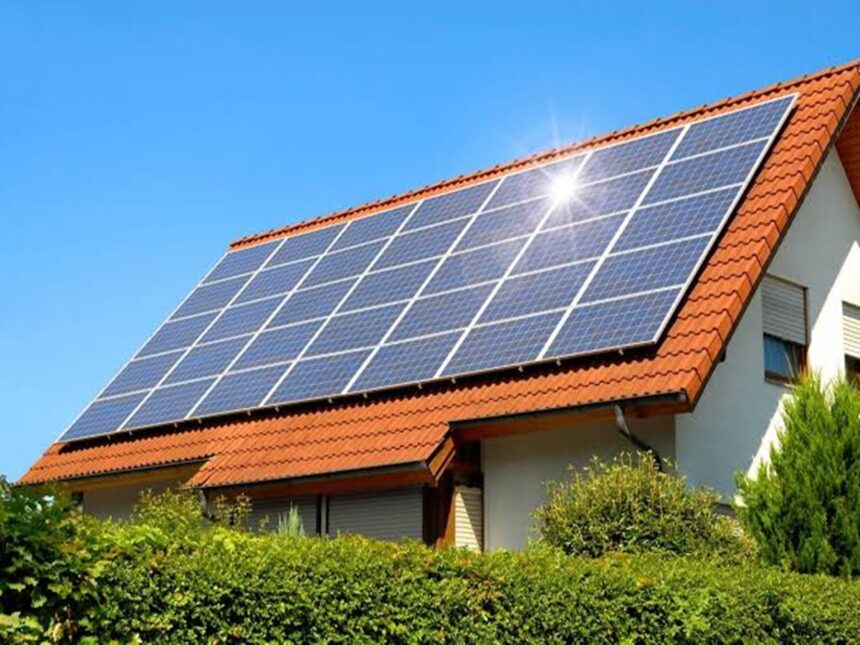
Solar Panels & Electricity Bills: Installing rooftop solar panels is one of the most effective ways to reduce electricity costs. However, many homeowners are surprised when they continue to receive power bills even after switching to solar energy.
If you’ve been wondering why your electricity bill hasn’t disappeared, you’re not alone. While solar panels can significantly lower your monthly expenses, they don’t always eliminate your bill completely. Here’s why.
Why Do You Still Receive an Electricity Bill After Installing Solar Panels?
Solar panels generate electricity only when there is sufficient sunlight. During the evening, at night, or on cloudy days, your home may need to draw electricity from the power grid.
Unless your solar system includes battery storage capable of supplying electricity after sunset, you’ll still be charged for the power you consume from the grid. This is one of the most common reasons homeowners continue to receive electricity bills.
Is Your Solar System Large Enough?
The size of your solar installation plays a crucial role in determining how much you save.
If your household consumes more electricity than your solar panels can generate, the shortfall will automatically be supplied by the electricity grid. As a result, you’ll still have to pay for the additional units consumed.
Before installing a rooftop solar system, it’s important to assess your home’s average monthly electricity usage and choose a capacity that meets your energy needs.
New Net Metering Can Affect Initial Bills
If you’ve recently installed a net meter, don’t be surprised if your first few electricity bills appear different from what you expected.
In the initial months, meter readings and billing adjustments may take time to stabilize as the utility updates your account and accurately records imported and exported electricity.
Once the system is fully synchronized, your bills should better reflect your actual solar generation and grid consumption.
Dirty Solar Panels Can Reduce Power Generation
Solar panels perform best when they receive maximum sunlight.
Dust, bird droppings, leaves and other debris can block sunlight, reducing the amount of electricity your system generates. Even a thin layer of dirt can impact efficiency over time.
When solar production falls, your home automatically relies more on grid electricity, leading to higher electricity bills.
Regular cleaning and routine maintenance can help your solar panels operate at peak efficiency throughout the year.
Tips to Maximise Savings From Your Solar Panels
To get the most out of your rooftop solar system:
- Choose a solar system that matches your household’s electricity consumption.
- Clean solar panels regularly to maintain maximum efficiency.
- Keep track of your electricity bills during the first few months after installing a net meter.
- Reduce electricity usage during nighttime when solar panels are not generating power.
- Periodically monitor your system’s performance to ensure it is producing the expected amount of electricity.
Can Solar Panels Completely Eliminate Your Electricity Bill?
Not always.
While rooftop solar panels can substantially reduce your monthly electricity expenses, completely eliminating your bill depends on several factors, including:
- The size of your solar system.
- Your daily electricity consumption.
- Whether you use battery storage.
- Local net metering policies.
- Weather conditions and available sunlight.
For most households, solar panels significantly lower electricity costs rather than eliminating them entirely. By choosing the right system size, maintaining the panels properly and managing energy consumption wisely, homeowners can maximise savings and enjoy the long-term financial benefits of solar energy.