
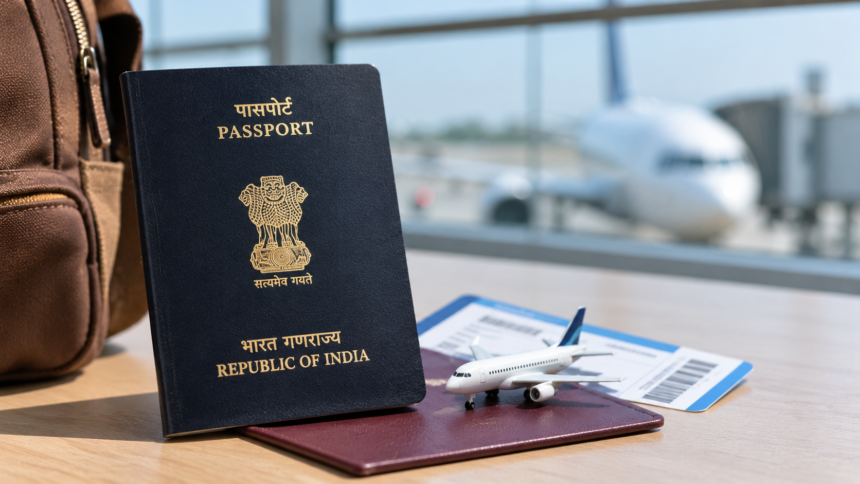
Having a confirmed flight ticket, a hotel reservation and a valid passport does not always guarantee that you will be allowed to board your flight. Travellers can sometimes face unexpected problems at the airport because their passport does not meet the entry requirements of their destination country.
An unexpired passport may still be considered unsuitable for international travel if it does not meet specific conditions related to validity, blank pages or physical condition. Airlines are also responsible for checking passengers’ travel documents before departure and may face penalties if they transport someone who does not meet the destination country’s entry requirements.
To avoid last-minute travel disruptions, it is important to review your documents before heading to the airport. Here are five essential passport and travel document checks every traveller should complete.
5 Important Things to Check Before Travelling Abroad
1. Check the Six-Month Passport Validity Rule
One of the most important requirements for international travellers is the passport validity period. Several countries require visitors to hold a passport that remains valid for at least six months beyond their date of entry.
However, the requirement is not identical everywhere. Some destinations calculate passport validity from the date of departure, while others require only three months of remaining validity. Certain countries may simply require the passport to remain valid throughout the intended stay.
For example, a passport with five months remaining before expiry may be acceptable for one destination but rejected for another.
Before making travel arrangements, check the specific passport validity requirements of your destination and calculate the dates carefully, particularly if you are planning an extended trip.
2. Make Sure Your Passport Has Enough Blank Pages
Having a valid passport is not enough if there is insufficient space for immigration stamps and visa endorsements.
Some countries require travellers to have at least one or two completely blank passport pages. If your passport contains numerous entry and exit stamps, you should check whether enough usable pages remain.
Also, remember that not every empty space in a passport qualifies as a blank page. Certain pages are specifically reserved for endorsements and other official purposes.
If your passport is running out of available pages, consider getting it renewed or replaced before finalising your travel plans.
3. Inspect Your Passport for Physical Damage
The physical condition of your passport is another important factor that can affect international travel.
Damaged pages, water stains, a loose cover, a peeling photograph or marks across important personal details may raise concerns during document verification. Even handwritten marks or scribbles can create complications if officials suspect that the document has been altered.
Airline staff and immigration authorities need to verify that your passport is genuine and that its information remains clearly readable.
If your passport has visible damage or appears tampered with, consider replacing it before travelling rather than risking problems at the airport.
4. Verify Your Visa and Travel Authorisation
A passport alone may not be sufficient to enter another country. Depending on your nationality and destination, you may also need an approved visa, an electronic visa (e-visa) or an online travel authorisation.
Airlines generally verify these requirements during the check-in process. Simply having submitted a visa application or paid the required fee does not mean that your travel authorisation has been approved.
Another important detail is the information printed on your flight ticket. Make sure your name matches the details on your passport. Differences in spelling or missing name details can lead to additional verification and boarding complications.
Always confirm that your required travel documents have been approved before leaving for the airport.
5. Check the Transit Rules for Your Connecting Flight
Travellers often focus only on the entry requirements of their final destination and overlook the rules of countries where they have connecting flights.
However, some countries require passengers to obtain a transit visa even when they do not plan to leave the airport. Transit destinations may also have separate passport validity and documentation requirements.
For this reason, checking only your final destination’s entry rules is not sufficient.
If your journey includes one or more stopovers, review the visa and passport requirements for every country on your route. This is particularly important when travelling internationally through airports with separate transit regulations.
Check Your Travel Documents Early to Avoid Boarding Problems
A little preparation before departure can help prevent unnecessary airport delays, additional expenses and cancelled travel plans.
Start by checking your passport’s expiry date, available blank pages and physical condition. Then verify the visa requirements and transit regulations applicable to your entire journey.
It is also important to consult the official embassy or airline website before travelling because entry requirements can change over time. Do not rely entirely on information from friends or outdated travel advice.
Checking these five essential details well in advance can help you avoid unexpected boarding issues and make your international travel experience smoother.