
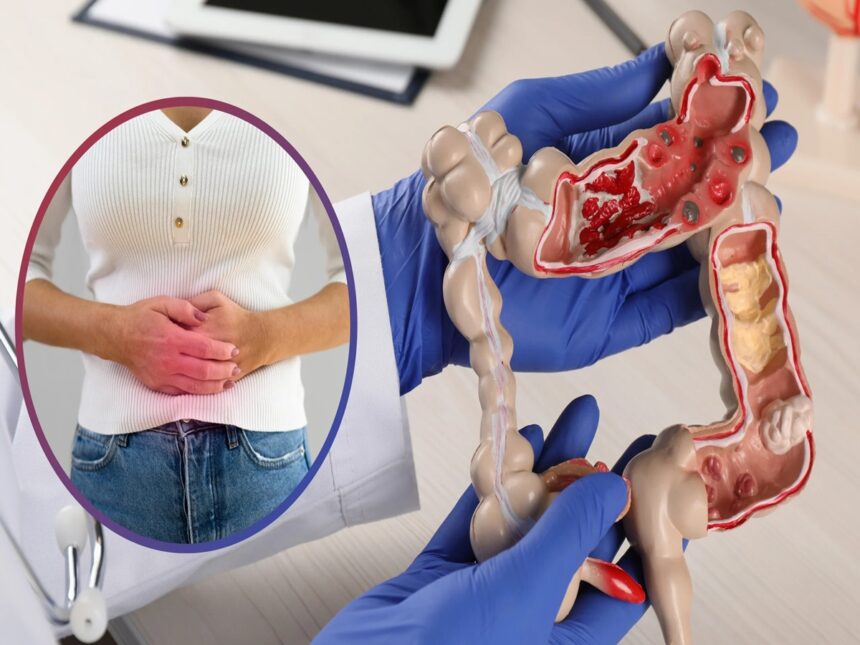
Colonoscopy Can Detect and Remove Precancerous Growths Before They Turn Into Cancer, Says Expert
Colon cancer is one of the most common and deadly forms of cancer worldwide, but it is also one of the most preventable when detected early. Health experts say regular screening can identify warning signs long before symptoms appear, greatly improving the chances of successful treatment.
According to projections from the World Health Organization (WHO), colorectal cancer cases are expected to reach 3.2 million annually by 2040, with nearly 1.6 million deaths worldwide. Against this backdrop, a leading US physician is urging adults not to delay a simple screening test that could save lives.
What Is Colon Cancer?
Colon cancer develops when abnormal cells grow uncontrollably in the colon, the longest section of the large intestine. It is part of the broader category of colorectal cancer, which affects the colon or rectum.
The disease often develops slowly and may not cause noticeable symptoms in its early stages. Because of this, colorectal cancer remains the second leading cause of cancer-related deaths globally, highlighting the importance of routine screening.
Dr. Emmanuel Aguh, a board-certified family medicine physician in the United States, says detecting the disease early significantly improves treatment success and survival rates.
Why Doctors Recommend a Colonoscopy
According to Dr. Aguh, the colonoscopy remains the most effective screening test for preventing colon cancer.
Unlike many other screening methods, a colonoscopy not only detects cancer at an early stage but also allows doctors to identify and remove precancerous polyps before they develop into cancer.
Dr. Aguh explains that this makes the procedure one of the most powerful tools available for reducing the risk of colorectal cancer.
Since early-stage colon cancer often causes few or no symptoms, routine screening plays a crucial role in catching the disease before it becomes more serious.
Is a Colonoscopy Painful?
Fear of discomfort is one of the main reasons many people postpone getting a colonoscopy. However, Dr. Aguh says most patients undergo the procedure under sedation.
Because patients are typically asleep during the examination, they usually do not experience pain. While some people may feel mild discomfort or bloating afterward, the temporary inconvenience is small compared with the potential benefit of detecting or preventing cancer early.
Can People in Their 30s Get Colon Cancer?
Although routine screening is generally recommended from age 45 for people at average risk, Dr. Aguh cautions that younger adults should not ignore persistent digestive symptoms.
While colon cancer in someone aged 31 is uncommon, it can occur. Anyone experiencing ongoing changes in bowel habits, unexplained weight loss, blood in the stool, persistent abdominal pain, or other unusual gastrointestinal symptoms should seek medical evaluation without delay.
Early assessment can lead to timely diagnosis and improve treatment outcomes.
Who Should Consider a Colonoscopy?
A colonoscopy is commonly recommended for:
- Adults aged 45 years and older with average risk.
- People with a family history of colorectal cancer.
- Individuals with inflammatory bowel disease, such as Crohn’s disease or ulcerative colitis.
- Those with inherited genetic conditions that increase the risk of colorectal cancer.
- Anyone experiencing persistent digestive symptoms, regardless of age, after consulting a healthcare professional.
Dr. Aguh encourages people not to let fear or misconceptions prevent them from discussing screening with their doctor.
Early Screening Can Save Lives
Medical experts agree that regular colorectal cancer screening is one of the most effective ways to reduce deaths from the disease. By detecting precancerous polyps before they become cancerous—or identifying cancer at an early, more treatable stage—screening significantly improves long-term outcomes.
As colorectal cancer cases continue to rise globally, prioritizing preventive care has become increasingly important.
The Bottom Line
Colon cancer often develops silently, making routine screening an essential part of preventive healthcare. A colonoscopy can detect and remove abnormal growths before they turn into cancer, offering protection that few other cancer screening tests can provide.
If you are eligible for screening based on your age, family history, or personal risk factors—or if you have persistent digestive symptoms—consult your healthcare provider to determine whether a colonoscopy or another colorectal cancer screening test is appropriate for you. Early detection remains one of the most effective ways to reduce the impact of this disease.