
Centre Looks to Push Key Constitutional Reforms in Parliament Following Resolution of Exam Paper Leak Protests
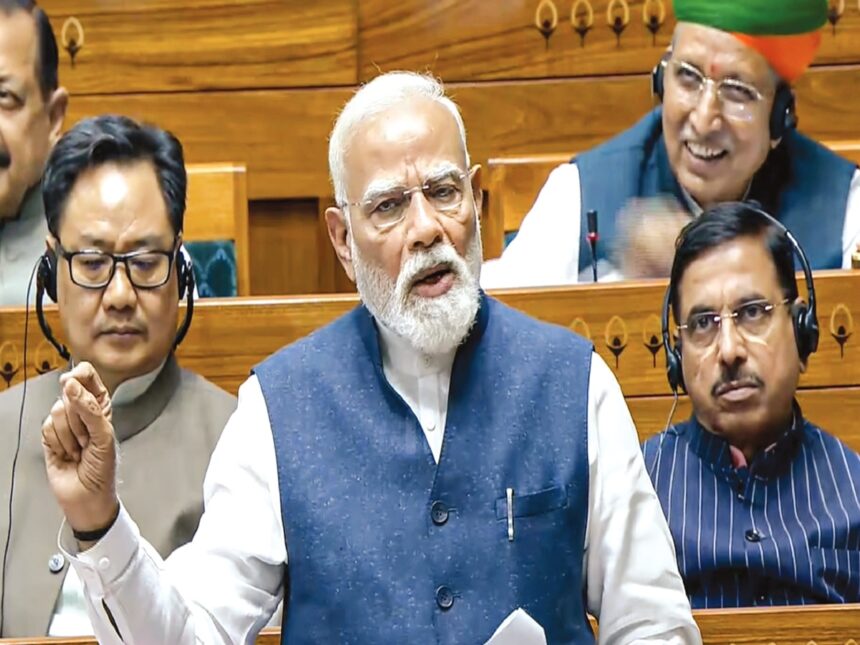
After weeks of dealing with the nationwide examination paper leak controversy and student-led protests, the Narendra Modi-led government is now preparing to shift its attention to long-pending constitutional reforms. With the immediate political pressure over the exam crisis easing, the Centre is expected to prioritize the implementation of the Women’s Reservation Act and the delimitation process during the ongoing Monsoon Session of Parliament.
The change in focus comes shortly after the Cockroach Janta Party (CJP) withdrew its protest following the resignation of Union Education Minister Dharmendra Pradhan. Soon after, Prime Minister Narendra Modi announced the formation of a high-level examination reforms task force led by Infosys co-founder Nandan Nilekani. The government is also planning to introduce amendments aimed at strengthening India’s anti-paper leak legislation.
Government Aims to Close Chapter on Exam Controversy
According to senior government officials, the Centre intends to resolve the examination issue through a combination of administrative reforms and stricter legal measures before moving ahead with major constitutional initiatives.
Officials indicated that the government remains committed to its legislative roadmap despite the recent protests. The strategy, they said, was to first address concerns raised by students, restore confidence in the examination system, and then proceed with larger policy reforms.
“Our priority remains the implementation of women’s reservation as promised by the Prime Minister,” a senior government official said.
Women’s Reservation and Delimitation Back on the Agenda
With the paper leak issue largely under control, the government is expected to focus on introducing bills related to women’s reservation and delimitation. Both proposals involve constitutional amendments and require broad political consensus to secure parliamentary approval.
Government sources believe handling the exam controversy first has created a more favorable environment for discussing these politically significant reforms during the Monsoon Session.
Why the Monsoon Session Is Crucial
The Monsoon Session is considered an important opportunity for introducing these constitutional amendment bills. If the legislation is not tabled now, the next available window would be the Winter Session, something the government reportedly wants to avoid.
Timing has become particularly significant because the Constitution currently restricts fresh readjustment of parliamentary constituencies until the first Census conducted after 2026. Since the next Census is expected in 2027, the constitutional freeze on delimitation is likely to end afterward, making the upcoming parliamentary sessions strategically important.
BJP Confident of Handling Opposition Criticism
According to party insiders, the Bharatiya Janata Party (BJP) believes that the paper leak controversy will not derail its broader legislative agenda. Leaders within the ruling alliance maintain that developments outside Parliament should not affect the government’s commitment to constitutional reforms.
A senior BJP leader reportedly said the NDA government was fully prepared to respond to the Opposition during any debate on examination paper leaks. The leader also suggested that the Centre’s handling of the protests could encourage regional parties and non-aligned political groups to extend issue-based support for major reforms, including the Women’s Reservation Bill.
The BJP also believes the Congress’s campaign accusing the government of protecting the former education minister has lost momentum following his resignation. According to party leaders, the Opposition will now find it difficult to avoid participating in parliamentary discussions on paper leaks after repeatedly demanding such a debate.
Government Signals Return to Legislative Priorities
With exam reforms now underway and political tensions over the paper leak issue appearing to subside, the Modi government is signaling a return to its core constitutional agenda. As Parliament continues its Monsoon Session, attention is expected to shift toward landmark reforms that could have a lasting impact on India’s political landscape, particularly women’s political representation and the future redrawing of parliamentary constituencies.