
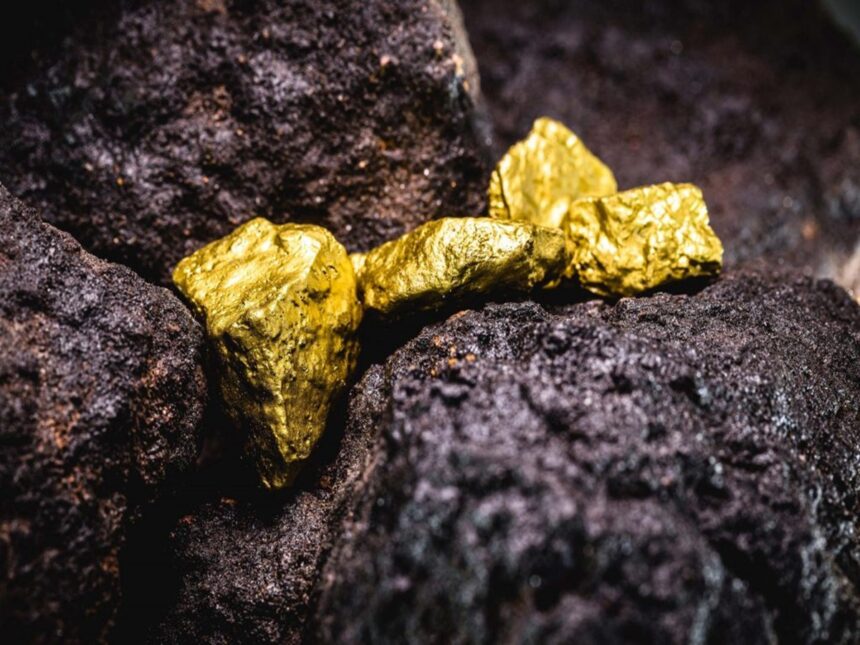
Jonnagiri Gold Mine: India could gradually reduce its reliance on imported gold as the Jonnagiri gold mining project in Andhra Pradesh’s Kurnool district moves towards commercial production.
The project, being developed by Geomysore Services (India) Pvt Ltd, is designed as an integrated gold operation covering exploration, mining, ore processing and refining within the leased area. The mine is expected to initially produce around 900 kg of gold annually, with plans to potentially increase output to nearly two tonnes a year.
Speaking to TNIE, B Prabhakaran, Chairman of Geomysore Services (India) and Managing Director of Lloyds Metals and Energy Ltd, discussed the project’s production plans, technology, employment opportunities, environmental measures and long-term growth strategy.
Jonnagiri Project Aims to Keep More Value Within India
According to Prabhakaran, Jonnagiri has been planned as more than simply a gold-mining venture. By bringing exploration, mineral processing and refining together at the same location, the project aims to retain a larger share of the value generated from the resource within India.
The gold deposit has favourable mineral properties, including the absence of sulphides. This is expected to support a gold recovery rate of more than 90%, a level comparable with international industry standards.
The processing plant has been developed largely by an in-house engineering team, with support from Indian suppliers and mineral-processing specialists. Although some highly specialised equipment has been sourced from the United States, the project broadly reflects the Make in India approach.
More Than 65,000 Metres of Exploration Drilling Completed
The project’s contribution extends beyond its planned gold production. More than 65,000 metres of exploration drilling have already been completed, helping build domestic expertise in exploration and other stages of the mining value chain.
The company has also placed emphasis on involving communities around the project area. More than 90% of the workforce comes from nearby areas, creating employment opportunities for local residents.
Increasing automation and technology adoption are also expected to create more opportunities for women and young people to participate in mining and mineral-processing activities.
Mining Waste Could Be Used for Construction
The Jonnagiri project is also exploring ways to turn mining waste into useful products. Project authorities are working with leading technical institutions to examine whether crushed overburden generated during mining can be converted into construction blocks.
If successful, the initiative could provide affordable building materials locally while also giving productive use to material that would otherwise be treated as mining waste.
Focus on Lower Water and Fossil Fuel Use
Environmental considerations have been incorporated into the project’s operational design. The mine plans to use electric excavators, drilling equipment and trucks, with grid-connected green power helping reduce dependence on fossil fuels.
The processing operation will also use a dry-tailings system, along with complete recycling of process water. This approach is intended to reduce the need for fresh water and lower some of the risks traditionally associated with conventional tailings storage.
Mine Could Operate for Up to 25 Years
Moving from the exploration stage to production in less than a decade has required sustained coordination and development work.
The Jonnagiri mine is projected to have an operating life of around 20 to 25 years. Over the coming decade, the project’s broader strategy includes expanding its open-pit mining operations while increasing production and strengthening the integrated mining and processing model.
With India being one of the world’s major gold-consuming markets, increased domestic production from Jonnagiri could eventually contribute to lowering the country’s dependence on imported gold, while also creating jobs and developing indigenous expertise across the mining sector.