
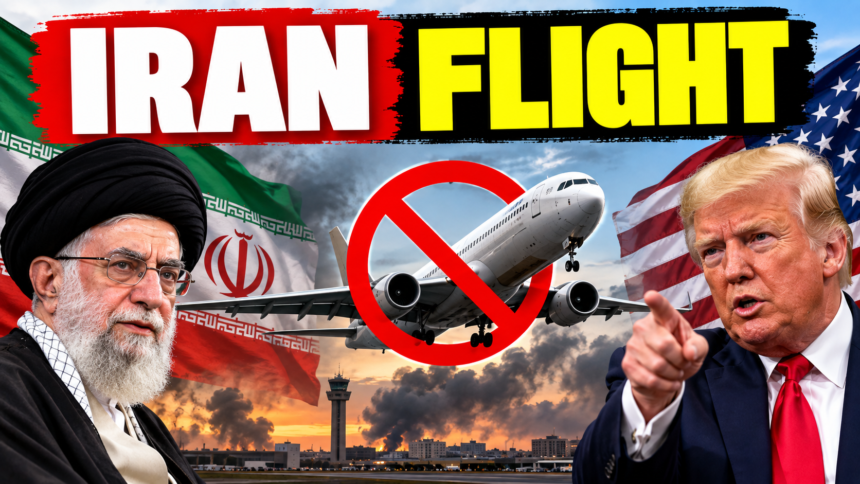
Tensions between Iran and the United States remain high as both sides continue to face pressure over efforts to end the ongoing conflict. Iran has outlined conditions for ending the war and reopening the Strait of Hormuz, while Washington has continued to increase economic and aviation-related pressure on Tehran.
The latest development involves Iranian airlines. US Treasury Secretary Scott Bessent said on September 21 that Iranian airlines would effectively be prevented from operating internationally from September 23. He warned that foreign companies providing services such as fuel, landing facilities or ticket sales to Iranian carriers could face consequences under the US financial system.
The US Treasury had already announced sanctions targeting remaining parts of Iran’s aviation sector earlier in September, describing the measures as part of its broader economic campaign against Tehran.
Iran’s Conditions for Ending the Conflict
Iran has previously set out six conditions linked to ending the conflict and reopening the Strait of Hormuz. These include stopping attacks and threats against Iran and its regional allies, removing the US naval blockade and military forces from areas around Iran, compensation for war-related damage, lifting sanctions and releasing frozen Iranian assets.
Iranian officials have also connected the future of the Strait of Hormuz to these conditions. The waterway remains a major point of tension in the conflict, with restrictions on shipping affecting regional and international energy movements.
IRGC Says Iran Is Ready for a Prolonged War
Iran’s Islamic Revolutionary Guard Corps has warned that the conflict could continue for an extended period. IRGC spokesperson Brigadier General Hossein Mohebbi said on September 21 that the organisation was prepared for a long-term confrontation and would change its response if Iran faced another attack.
Mohebbi also described the situation as what he called a “historic and humiliating defeat” for the United States. He pointed to Washington’s inability to reopen the Strait of Hormuz, reported vulnerabilities involving US military and intelligence facilities in the region, and what he described as shortcomings in American military technology compared with Iranian capabilities. These are claims made by the IRGC and have not been independently established in the same terms.
According to Mohebbi, Iran believes the conflict has affected the wider regional balance and said Tehran is contributing to what he described as a new security framework in the region. The IRGC has also warned that any fresh attack could lead to changes in the geography of the conflict and the weapons used.
Disclaimer: This article is intended for general informational purposes and is based on reports and statements available at the time of publication. Claims made by governments, military officials or other parties to the conflict are presented as attributed statements and may be disputed or change as events develop. Readers should refer to updated reports from reliable sources for the latest information.