
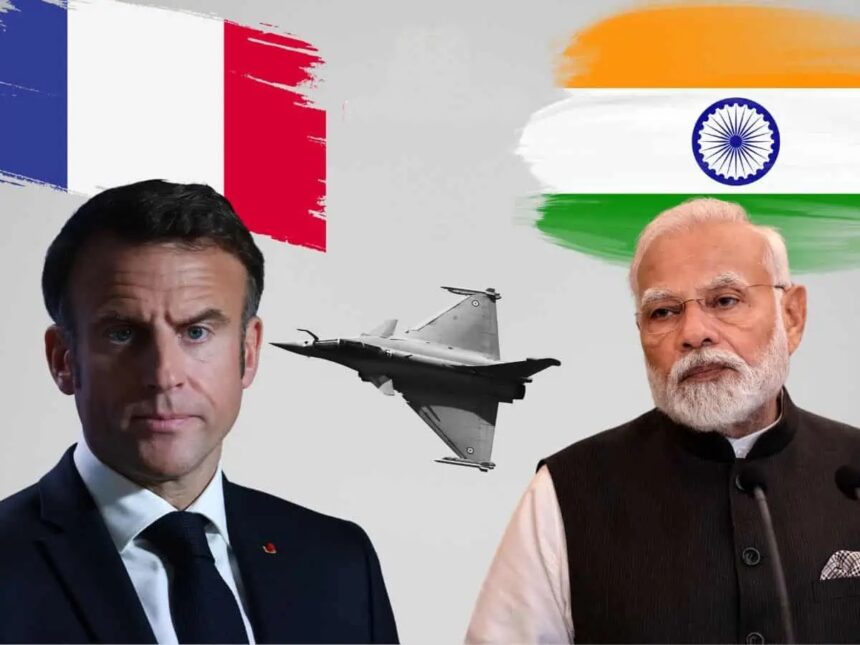
Rafale Fighter Jet Deal: India’s proposed purchase of 114 Rafale fighter aircraft from France is facing a major technology-transfer challenge, with disagreements reportedly emerging over access to the software and source code behind some of the jet’s most critical combat systems.
France is keen to expand international partnerships around the Rafale programme, but Paris is reportedly reluctant to provide India unrestricted access to the source code of key systems, including the RBE2 AESA radar, MDPU mission computer and SPECTRA electronic warfare suite.
These systems form a crucial part of the fighter’s digital backbone. They support functions such as sensor integration, threat identification, electronic warfare and battlefield survivability.
For India, however, the issue is about more than simply obtaining software. New Delhi wants to understand how much freedom the Indian Air Force (IAF) would have to modify the aircraft, integrate locally developed weapons and introduce future upgrades without repeatedly depending on French approval.
Why Source Code Is a Major Issue for India
Modern fighter aircraft depend heavily on software. Radar, electronic warfare equipment, sensors, weapons and mission computers must work together through complex digital systems.
For India, limited access to the underlying software architecture could make it more difficult to integrate indigenous technologies into the Rafale in the future.
This is particularly relevant as India develops and fields its own weapons and sensors. Systems such as the Astra missile and possible air-launched versions of the BrahMos could require extensive integration work with the aircraft’s existing systems.
The IAF also expects its frontline fighters to remain operational for several decades. During that period, Indian weapons, radar technologies and electronic warfare capabilities are likely to evolve significantly.
Greater control over the aircraft’s software and systems could therefore give India more flexibility to introduce future upgrades without becoming dependent on the original manufacturer for every major modification.
France Has Faced Similar Technology Demands Before
France’s cautious approach to sensitive Rafale technology is not entirely new.
Paris has reportedly faced comparable demands from the United Arab Emirates regarding technology transfer associated with the future Rafale F5 standard.
France remains willing to discuss areas such as local production, industrial partnerships and manufacturing cooperation. The more sensitive issue concerns access to the software and technologies that underpin the fighter’s core combat capabilities.
From the French perspective, these systems represent intellectual property developed through decades of research and investment. Restricting access helps Paris protect sensitive technology and prevent unauthorised modification or exposure of critical systems.
India, however, views the proposed Rafale acquisition as a potential long-term defence and industrial partnership, rather than simply a transaction for buying aircraft.
With the jets potentially serving for 30 to 40 years, New Delhi wants assurances that it can adapt the aircraft to meet changing operational requirements.
Su-57E Could Give India Another Option
Russia’s Su-57E offer adds another dimension to India’s fighter negotiations.
Moscow has reportedly indicated a willingness to discuss access to source code and design documentation for the aircraft.
For New Delhi, this creates an additional point of comparison. The competition is therefore not only about flight performance, weapons, range or other conventional specifications.
India is also evaluating the degree of technical independence it can achieve after purchasing a fighter.
The French offer provides an advanced combat aircraft along with potential industrial cooperation. But India’s concern is whether the arrangement would give domestic companies and the IAF enough technical access to integrate Indian weapons, sensors and electronic warfare technologies in the future.
Russia’s reported willingness to negotiate greater access could consequently provide India with additional leverage in discussions with France.
114-Rafale Requirement Is a Major Opportunity for France
India’s requirement for 114 fighter jets represents a significant opportunity for the French aerospace sector and the broader Rafale ecosystem.
A large Indian order could generate substantial business for French defence companies, support production and potentially deepen industrial cooperation between the two countries.
France is also looking to build international partnerships for the next generation of the Rafale programme, including the F5 standard.
That creates a difficult balancing act for Paris: France needs to protect highly sensitive intellectual property while simultaneously offering customers enough technical and industrial freedom to make a decades-long partnership attractive.
India’s emphasis on defence self-reliance makes this issue particularly important.
Rafale Deal Is About More Than the Price of 114 Jets
The negotiations surrounding India’s 114-fighter requirement are therefore likely to involve much more than the aircraft’s purchase price or the location of manufacturing.
At the centre of the debate is a larger question: How much control will India have over a fighter aircraft it could operate for several decades?
If France maintains strict restrictions on access to key Rafale technologies, India will have to assess whether the aircraft’s combat capabilities, industrial benefits and strategic value outweigh the potential limitations on future upgrades and indigenous integration.
For France, the stakes are also substantial. Winning a major Indian order would strengthen the Rafale’s global position and provide a significant boost to its long-term production ecosystem.
However, if Paris cannot meet India’s requirements for greater technological and industrial autonomy, competing fighter proposals could gain an advantage.
The Rafale negotiations are therefore shaping up as a test of more than India’s fighter procurement plans. They could also determine how much technological independence and upgrade freedom New Delhi receives as part of one of its most significant future defence acquisitions.