
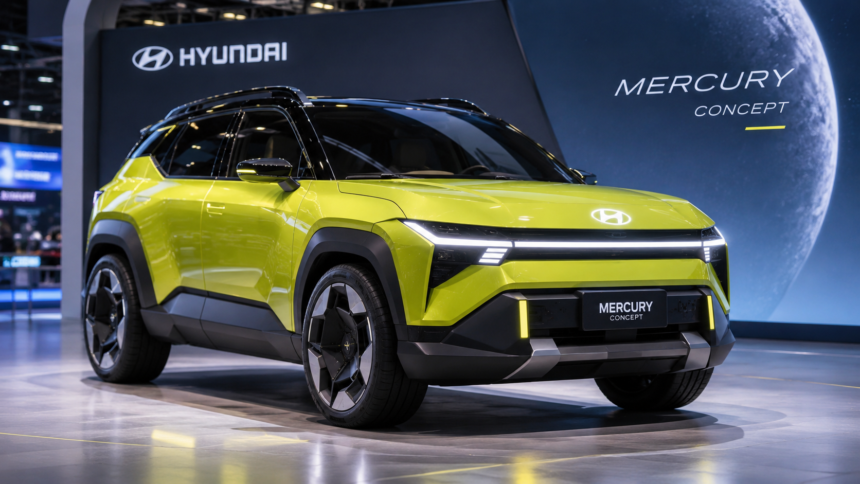
Hyundai has introduced its new Mercury concept at Auto Guangzhou 2026 in China, providing an early look at an upcoming entry-level electric SUV. The concept stands out with its distinctive shark-nose styling, advanced driver assistance technology and an AI-powered smart cockpit.
New Delhi: The Mercury concept marks the third addition to Hyundai’s Ioniq lineup and has been developed specifically for the Chinese market. The vehicle has been designed and engineered by Hyundai’s local team as part of the company’s broader strategy to strengthen its presence in China.
The unveiling is part of Hyundai’s three-year product expansion plan for the country. The production-ready version of the Mercury is expected to reach Chinese showrooms in 2027. The company has also previously showcased the off-road-focused Tucson Hybrid.
Hyundai Mercury Concept: Exterior Design and Styling
The Mercury concept takes design inspiration from the planet Mercury and its movement around the Sun. One of its most noticeable styling elements is the sharply shaped shark-nose front, which gives the electric SUV a distinctive appearance.
At the front, slim LED lighting elements surround the Hyundai logo and create an H-shaped lighting signature. Hyundai refers to this styling approach as its edge lighting design. The lower bumper features black finishing, while the contrasting black roof and dark alloy wheels give the vehicle a rugged look.
The rear design continues the concept’s distinctive styling with a sharply inclined rear windscreen and prominent black body cladding along the lower section. A connected LED light bar runs across the tailgate, where the Ioniq lettering is positioned.
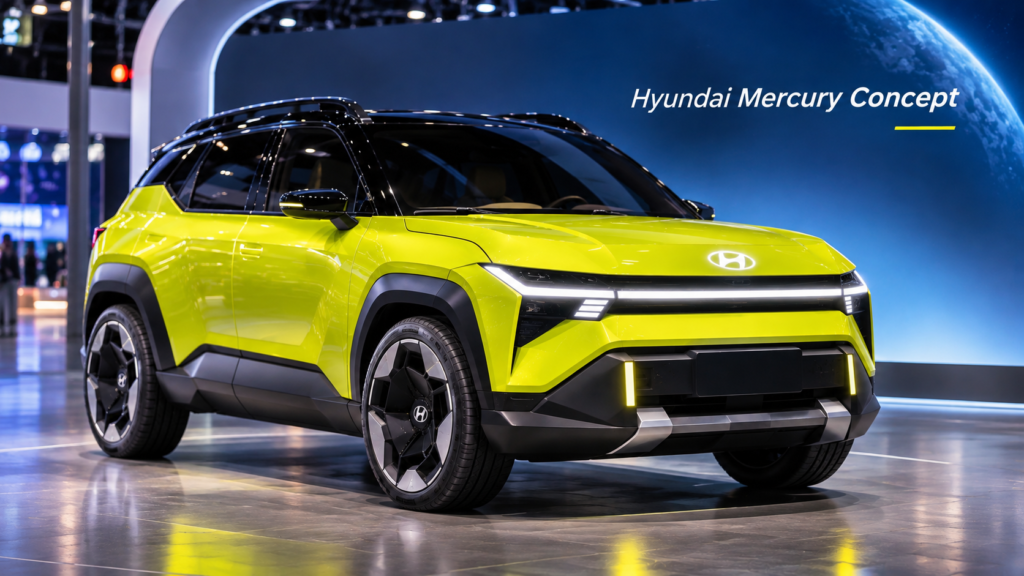
Additional slim red lighting elements are integrated into the rear bumper and roof spoiler. Hyundai has showcased the concept in a bright yellow-green exterior shade called Citrine Neon. Small M-shaped design elements have also been incorporated at different locations around the vehicle as hidden design details.
Hyundai Mercury Concept: Technology and Features
Technology is another major highlight of the Mercury concept. Hyundai has equipped the SUV with Zhuoyu’s L2++ advanced driver assistance system (ADAS), along with a smart cockpit that uses ByteDance’s Doubao artificial intelligence model.
According to Hyundai, both systems have been customised to suit Chinese driving conditions and the preferences of customers in the local market.
However, the company has not yet revealed important technical specifications, including battery capacity, electric motor configuration or the expected driving range.
Hyundai is also exploring a battery-swapping option for the Mercury. For this development, the automaker plans to collaborate with Chinese battery manufacturer Contemporary Amperex Technology Co Ltd (CATL).
Hyundai’s Upcoming Electric Vehicle Plans for China
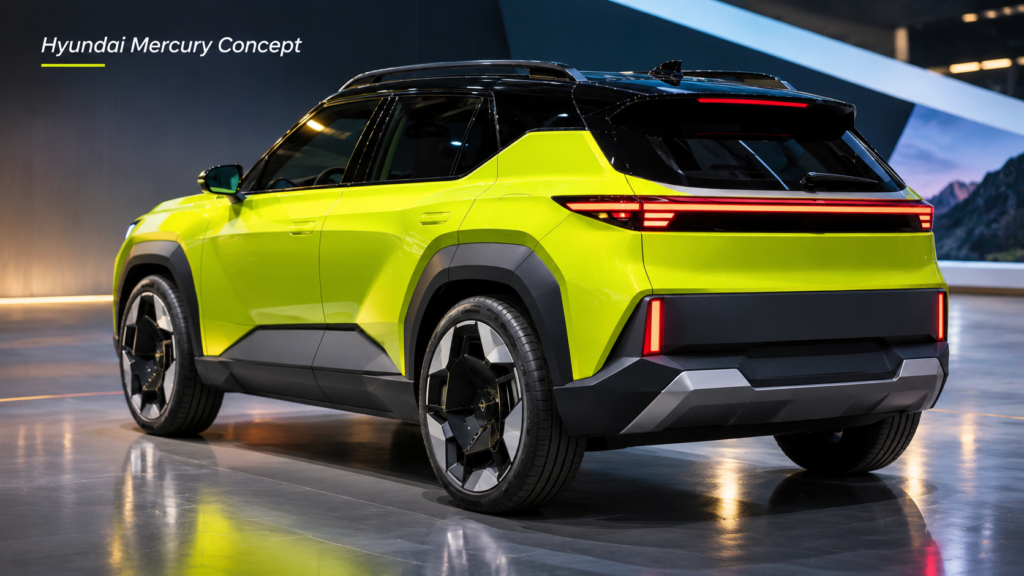
At Auto Guangzhou 2026, Hyundai displayed the Mercury concept alongside several other models, including the Earth concept, Ioniq V, Palisade Hybrid, Ioniq 5 N and Elantra N.
The company has confirmed that the production version of the Mercury will be launched in China in 2027. Hyundai is also preparing an extended-range electric vehicle (EREV) version of the Ioniq V for the same year. The standard Ioniq V was first unveiled in China in September 2026.
Following these launches, Hyundai plans to introduce a production model based on the Earth concept in 2028. This upcoming vehicle will be positioned as a family-oriented electric SUV.
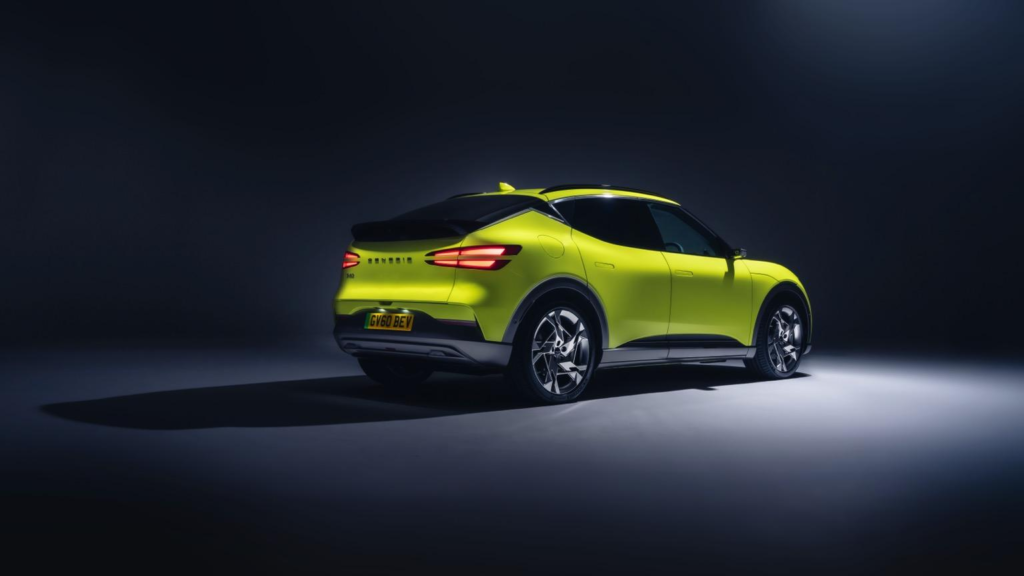
The company’s expansion strategy will continue in 2029, when it plans to launch two additional new energy vehicles (NEVs) in China. Meanwhile, Hyundai is also preparing to introduce the Ioniq P EV in the Indian market.
Disclaimer: This article is based on information available at the time of writing and details shared by the manufacturer. Product specifications, features, launch timelines and availability may change before the final production models are introduced.