
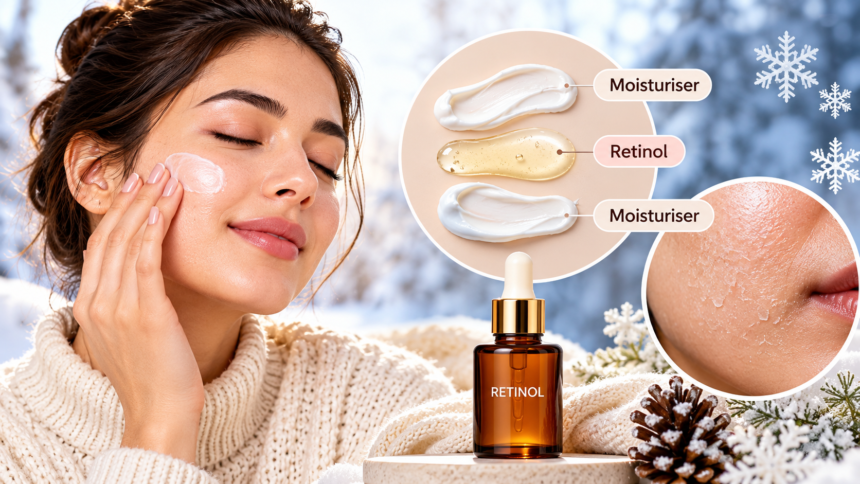
Retinol is widely used to address acne, uneven skin texture and fine lines. However, as temperatures drop, regular users may experience increased dryness, redness, tightness and peeling. While these changes can make people consider stopping retinol until summer, adjusting the skincare routine may help maintain its benefits without irritating the skin.
Dr Noopur Jain, Founder and Consultant Dermatologist at Skinzest, explains that winter alone is not a reason to discontinue retinol. Whether it is safe to continue using the ingredient depends on the skin’s condition, tolerance, product formulation and overall skincare routine.
Why Retinol Can Cause More Irritation in Winter
Retinol, a derivative of vitamin A, accelerates skin cell turnover. Although this process can improve acne, texture and fine lines, it may also cause dryness, redness and peeling, particularly when the ingredient is introduced too quickly or used too frequently.
Winter conditions can make these effects more noticeable. Low humidity, cold winds and indoor heating can weaken the skin barrier and increase transepidermal water loss. As a result, skin that tolerated retinol comfortably during summer may become more sensitive in colder months.
Flakiness is possible, but it is not inevitable. It can indicate that the skin barrier is under stress, particularly when high-strength retinol is used daily or combined with other active ingredients.
Instead of automatically stopping retinol, users who experience mild irritation can consider reducing application frequency to two or three times a week, switching to a lower concentration and using a richer moisturiser. However, persistent burning, redness or significant peeling should not be ignored. If flaking continues for more than two weeks despite these adjustments, consulting a dermatologist is advisable.
How the Retinol Sandwich Method Works
The moisturiser sandwich method is a useful approach for beginners and people with sensitive skin who want to improve their tolerance to retinol. It involves applying moisturiser before and after retinol to help reduce irritation.
The process is simple:
- Cleanse and dry your face: Wash your face with a gentle cleanser and allow the skin to dry completely. Apply a thin layer of moisturiser containing barrier-supporting ingredients such as ceramides, glycerin or hyaluronic acid.
- Apply retinol: Use a pea-sized amount and spread it evenly over the face, avoiding sensitive areas.
- Apply moisturiser again: Finish with another layer of the same moisturiser to help maintain hydration and support the skin barrier.
The two moisturiser layers help buffer retinol, potentially improving tolerability while allowing users to continue incorporating it into their skincare routine.
Dr Jain recommends that beginners start with a low-strength retinol formulation twice a week and gradually increase usage according to their skin’s tolerance.
The 10-Minute Rule and Ingredients to Choose
Timing also matters when using retinol during winter. Applying it to damp skin can increase penetration and raise the risk of irritation. For this reason, retinol should be applied to clean, completely dry skin rather than immediately after washing.
Waiting at least 10 minutes after cleansing, or after applying the first moisturiser layer, can help ensure the skin is dry before retinol is applied.
Choosing the right supporting ingredients is equally important. Ceramides, glycerin, hyaluronic acid and squalane can help maintain hydration and support the skin barrier. Niacinamide in a moisturiser may also be a useful addition to the routine.
At the same time, combining several potent active ingredients can increase irritation. Avoid using retinol alongside AHA or BHA exfoliating acids, glycolic acid or high-strength vitamin C in the same routine, particularly when the skin is already dry or sensitive. Keeping the routine simple can help minimise unnecessary stress on the skin.
Essential Winter Retinol Precautions
A few precautions can help users maintain a more comfortable skincare routine during colder weather.
Daily sunscreen is essential. Use a broad-spectrum sunscreen with SPF 30 or higher, including on cloudy winter days, as retinol use can make the skin more susceptible to sun-related irritation.
It is also important to recognise when the skin needs a break. People with eczema, rosacea or an already compromised skin barrier should seek dermatological advice before continuing retinol. Topical retinoids should also be avoided during pregnancy as a precaution.
Ultimately, using retinol effectively is not about applying more products or increasing usage quickly. The goal is to achieve the desired skincare benefits without compromising the skin barrier.
With the moisturiser sandwich method, the 10-minute dry-skin rule and a barrier-supportive routine, many users can continue using retinol through winter while reducing the risk of dryness and flaking. The key is to adjust usage according to the skin’s needs rather than treating the season as the only deciding factor.