
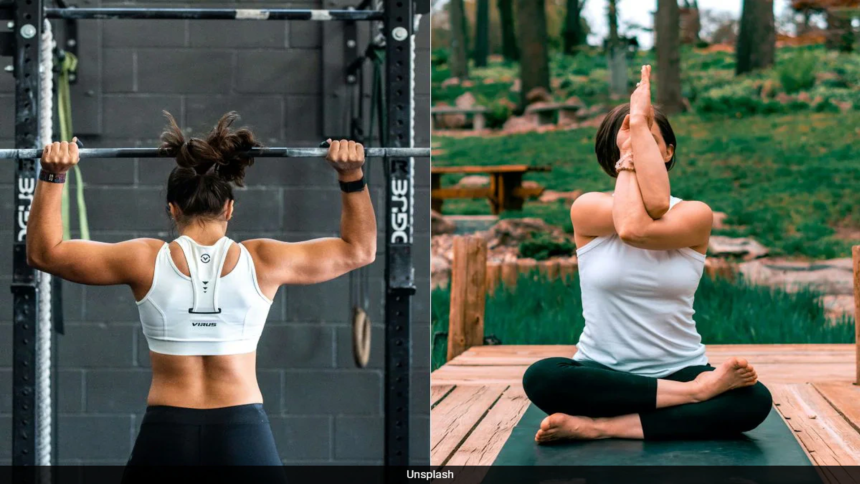
Fitness needs can change significantly for women after the age of 40 as the body goes through shifts in hormones, muscle health, metabolism and stress levels. While yoga is often associated with flexibility and relaxation, high-intensity exercise is commonly linked to strength and stamina.
According to Tamanna Singh, Certified Menopause Coach and Co-founder of MENOVEDA, women do not necessarily need to choose between the two. Both yoga and high-intensity workouts can support different aspects of physical and mental well-being during midlife.
Why Fitness Needs Change After 40
Women may experience several physiological changes after 40, including fluctuations in estrogen levels, reduced muscle mass and strength, lower bone strength, disrupted sleep and reduced energy. These changes can become more noticeable during menopause, making regular physical activity an important part of maintaining fitness.
While some women may turn to yoga for flexibility and relaxation, others may prefer high-intensity workouts to build strength and stamina. Each form of exercise can address different aspects of healthy ageing.
How High-Intensity Exercise Can Help
Muscle mass can gradually decline after 40, which may affect strength and daily energy expenditure. Activities such as HIIT, strength training and endurance exercises can therefore play an important role in maintaining muscle and supporting metabolic health.
Short periods of intense physical activity can help improve cardiovascular fitness, endurance and body composition. Strength training is particularly relevant for maintaining muscle, which supports mobility and independence as women age.
Why Yoga Can Be Beneficial After 40
Yoga takes a broader approach by combining physical movement with breathing exercises and mindfulness. Regular practice can support flexibility, posture, balance and joint mobility.
Breathing techniques can also encourage relaxation and contribute to stress management and emotional well-being. Weight-bearing yoga poses can help support strength and stability.
For women dealing with mood changes, disrupted sleep and increased stress associated with hormonal changes, yoga can also provide a way to incorporate relaxation and mindfulness into their routine.
Combining Yoga and High-Intensity Fitness
Rather than treating yoga and high-intensity exercise as competing options, combining the two can create a more balanced approach to fitness after 40.
High-intensity exercise can support strength, muscle development, metabolism and endurance, while yoga can contribute to flexibility, recovery and mental well-being. A balanced routine can therefore include strength training, moderate- to high-intensity exercise, yoga and sufficient rest.
For women in midlife, the focus can be on understanding the body’s changing needs and creating a sustainable routine that balances strength, recovery and overall well-being.