
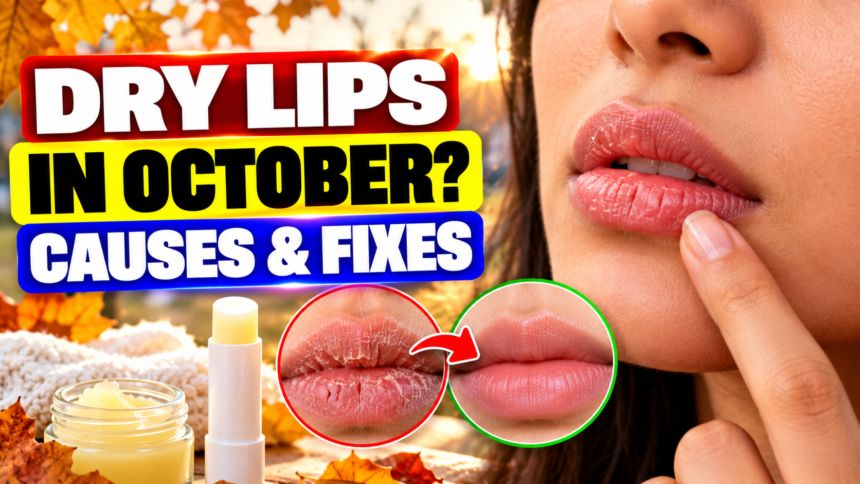
New Delhi: As October brings changing weather conditions, many people begin to experience dry, flaky or cracked lips. Sometimes, even regular use of lip balm fails to provide lasting relief.
Seasonal changes, low humidity, sun exposure and frequent lip licking can all contribute to the problem. The skin on the lips is delicate and loses moisture more easily than much of the skin on the face. However, weather conditions are not always to blame. Certain lip products and underlying skin conditions may also trigger irritation and dryness.
Why Do Lips Become Dry in October?
Changing Weather and Low Humidity
As temperatures begin to fall in some regions, the air may become drier, allowing moisture to escape from the lips. Spending long periods in air-conditioned rooms can also contribute to dryness, leaving the lips feeling rough and uncomfortable.
However, October weather varies across India, so seasonal changes may not explain every case of chapped lips.
Frequent Lip Licking
Licking dry lips may provide brief relief, but the effect does not last. As saliva evaporates, it can leave the lips even drier. Saliva also contains digestive enzymes that may irritate already sensitive skin.
Using a gentle, moisturising lip balm instead of repeatedly licking the lips can help reduce this cycle of dryness and irritation.
Irritating Lipsticks and Balms
Some lip care products can worsen the problem rather than solve it. Fragrances, flavourings, menthol and camphor may irritate sensitive or cracked lips.
If a lip product causes burning, stinging or tingling, it may be a sign of irritation rather than an indication that the product is working. Stop using products that trigger these symptoms.
Sun Exposure and Dehydration
Sunlight can damage the lips throughout the year, even when the weather does not feel particularly hot. Insufficient fluid intake may also contribute to dryness, although chapped lips can occur even when a person drinks enough water.
What Helps Heal Dry and Cracked Lips?
The most effective approach is to protect the lips’ natural skin barrier, restore moisture and avoid products or habits that cause further irritation.
Use a moisturising lip balm: Choose fragrance-free products containing ingredients such as petrolatum, mineral oil, ceramides or shea butter. Applying a generous layer of plain petroleum jelly before going to bed can help retain moisture overnight.
Choose lip protection with SPF: Sun protection remains important even during cooler months. When spending time outdoors, use a broad-spectrum lip balm with SPF 30 or higher. Reapply it regularly, particularly after eating or drinking.
Avoid licking, biting or peeling: Pulling away loose skin can cause additional irritation and delay healing. Allow peeling skin to come away naturally instead of scrubbing or picking at it.
Maintain regular hydration: Drink water throughout the day. If dry indoor air is contributing to the problem, a clean humidifier may help add moisture to the surrounding air.
Pause irritating products: Avoid lipsticks, balms or other products that cause burning or stinging. Rough scrubs and exfoliating treatments should also be avoided while the lips are cracked or irritated.
When Should You Pay Attention to Persistent Dry Lips?
Occasional dryness can often improve with gentle care and regular moisturising. However, if the lips remain cracked, painful or irritated despite avoiding potential triggers, an underlying skin condition or another cause may need to be considered. Seeking medical advice can help identify the reason for persistent symptoms.
As October progresses, protecting the lips from moisture loss, sunlight and irritating products can help maintain comfort and prevent further cracking.
Disclaimer: This article is intended for general informational and educational purposes only and does not replace professional medical advice, diagnosis or treatment. Individual causes of dry or cracked lips may vary. Consult a qualified healthcare professional if symptoms persist, worsen or cause significant discomfort.