
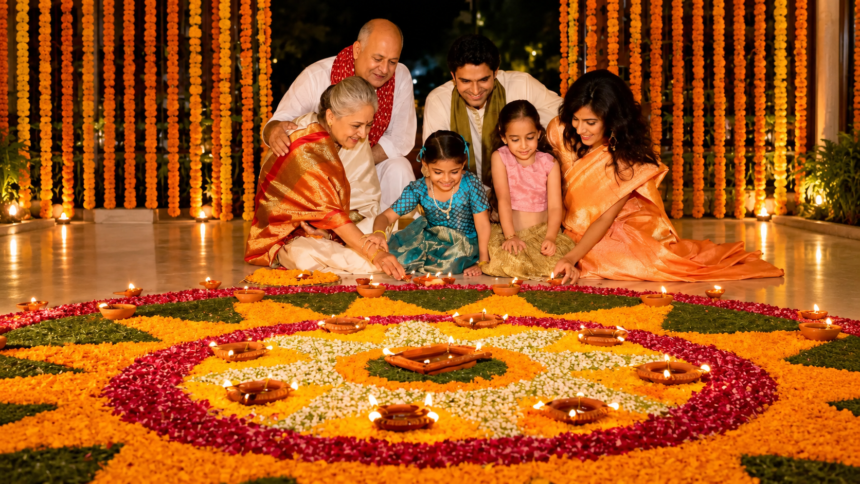
Diwali, widely known as the Festival of Lights, is a five-day celebration that symbolises the triumph of good over evil, light over darkness and knowledge over ignorance. Each day carries its own religious significance, customs and traditions, bringing families together to celebrate prosperity, devotion and strong family bonds.
In 2026, Diwali festivities will take place in November, with Dhanteras marking the beginning of the celebrations and Bhai Dooj bringing them to a close. The main Diwali celebration centres on Lakshmi Puja, when devotees worship Goddess Lakshmi for prosperity and well-being. Other important occasions include Choti Diwali and Govardhan Puja, each associated with stories and beliefs from Hindu mythology.
Diwali 2026: Complete Five-Day Festival Calendar
The five main occasions associated with Diwali are Dhanteras, Naraka Chaturdashi or Choti Diwali, Lakshmi Puja, Govardhan Puja and Bhai Dooj. The celebrations vary across regions, with different customs and legends associated with each day.
| Day | Festival | Date in 2026 |
|---|---|---|
| Day 1 | Dhanteras | 6 November 2026 |
| Day 2 | Choti Diwali (Naraka Chaturdashi) | 7 November 2026 |
| Day 3 | Diwali (Lakshmi Puja) | 8 November 2026 |
| Day 4 | Govardhan Puja | 10 November 2026 |
| Day 5 | Bhai Dooj | 11 November 2026 |
The festival’s calendar includes different observances depending on regional traditions and the Hindu lunar calendar.
Dhanteras 2026: Significance and Traditions
Dhanteras marks the beginning of the Diwali festivities. The name combines the words ‘Dhan’, meaning wealth, and ‘Teras’, referring to the thirteenth lunar day. The occasion is associated with Lord Dhanvantari, the deity of Ayurveda and health, who is believed to have emerged from the ocean during the Samudra Manthan carrying Amrit, the nectar of immortality. Goddess Lakshmi and Lord Kuber, the deity associated with wealth, are also worshipped on this day.
The festival highlights the importance of health, prosperity and a positive beginning. Many households clean and decorate their homes to welcome good fortune and seek Goddess Lakshmi’s blessings for the year ahead.
Buying gold, silver, utensils or other metal items is considered auspicious on Dhanteras. Some families purchase even a small coin or copper vessel as a symbol of prosperity. In the evening, devotees perform puja for health and wealth. Another important custom involves lighting an oil lamp facing south in honour of Yama, the god of death, with the belief that the ritual helps protect the household from untimely death and negative influences.
Choti Diwali 2026: Naraka Chaturdashi
Naraka Chaturdashi, commonly known as Choti Diwali, represents the victory of light over darkness and the destruction of evil. In North Indian traditions, the day commemorates Lord Krishna and Satyabhama’s defeat of the demon Narakasura, who was believed to have imprisoned 16,000 women.
Other regional traditions associate the occasion with the worship of Hanuman and Goddess Kali. Beyond its mythological significance, the festival symbolises purification and the removal of negativity before the main Diwali celebration.
One of the most widely observed customs is taking an oil bath before sunrise, often accompanied by the use of ubtan and scented oils. This ritual is traditionally believed to cleanse the body and remove misfortune. In some parts of western India, including Gujarat, devotees worship Goddess Kali during the midnight period, known as Nishita Kaal, seeking protection from negative forces.
Homes are decorated with rangoli, and people begin lighting rows of diyas to mark the approach of the main festival.
Diwali 2026: Lakshmi Puja, Rituals and Celebrations
Lakshmi Puja is the central occasion of the five-day Diwali festival. Celebrated on Amavasya, or the new moon night, Diwali is associated with several important religious traditions.
For many Hindus, the festival commemorates Lord Rama’s return to Ayodhya after 14 years of exile and his victory over Ravana. According to tradition, the people of Ayodhya welcomed Rama, Sita and Lakshmana by lighting rows of oil lamps.
Another significant belief connects Diwali with Goddess Lakshmi, who emerged during the Samudra Manthan. Devotees believe that she blesses homes that are clean, illuminated and welcoming. The festival therefore represents prosperity, spiritual renewal and the victory of knowledge over ignorance.
On Diwali evening, families worship Goddess Lakshmi, Lord Ganesha and, in many traditions, Goddess Saraswati. Business owners and households may also worship account books and other symbols of wealth and prosperity.
Lighting earthen diyas, candles and decorative lights is one of the festival’s most recognisable traditions. Families exchange gifts, distribute sweets such as kaju katli and laddoos, and gather to celebrate together. Fireworks are also associated with the festivities, although the celebrations extend well beyond them.
Govardhan Puja 2026: Honouring Nature and Gratitude
Govardhan Puja is traditionally celebrated after Diwali and focuses on gratitude towards nature. The festival commemorates the story of Lord Krishna lifting Govardhan Hill to protect the people of Vrindavan from heavy rains sent by Lord Indra.
The occasion highlights the importance of nature, including hills, fields and cattle, while emphasising humility over arrogance. It encourages devotees to recognise the natural resources that sustain life and to express gratitude for their blessings.
A major tradition involves preparing Chappan Bhog, a ceremonial offering of 56 food items, although some traditions offer 108 dishes. Devotees may create a symbolic hill from cow dung, decorate it with flowers and worship it alongside cows and bulls.
In Gujarat and Maharashtra, the day is also associated with Bali Pratipada. In Gujarat, it marks Bestu Varas, the Gujarati New Year. The occasion is also linked to the legend of Vamana and King Bali. In some parts of North India, Vishwakarma Puja is observed during this period, with people worshipping their tools, machinery and instruments.
Bhai Dooj 2026: Celebrating the Bond Between Brothers and Sisters
Bhai Dooj marks the conclusion of the five-day Diwali festivities and celebrates the affection and bond shared by brothers and sisters. Although similar in spirit to Raksha Bandhan, the festival has its own rituals and legends.
One popular legend tells of Yama, the god of death, visiting his sister Yamuna on Dwitiya, the second lunar day. Yamuna welcomed him with an aarti, a tilak and sweets. Pleased with her hospitality, Yama blessed her and established the belief that brothers who receive a tilak from their sisters on this day will enjoy long lives.
Another tradition associates Bhai Dooj with Lord Krishna’s visit to his sister Subhadra after defeating Narakasura.
On this day, sisters perform aarti, apply vermillion tilak to their brothers’ foreheads and pray for their health, happiness and prosperity. Brothers traditionally give gifts to their sisters and reaffirm their affection and support. Families often conclude the celebrations with a meal together, strengthening relationships and promoting harmony.
Diwali 2026 brings together five days of worship, gratitude and celebration. From seeking health and prosperity on Dhanteras to celebrating the bond between siblings on Bhai Dooj, each occasion carries a distinct message. Together, these traditions make Diwali a festival that celebrates not only light and wealth but also nature, spiritual well-being and the importance of family.