
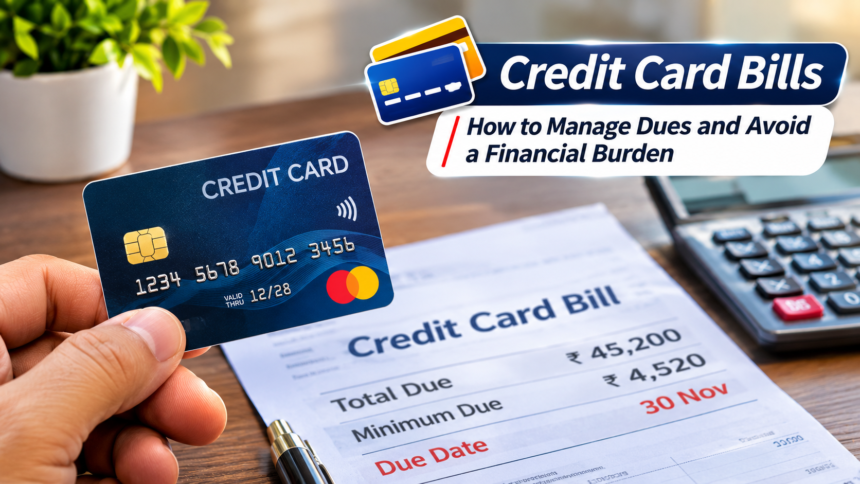
Credit Card Debt: Credit cards offer convenience and allow people to make purchases without paying immediately. However, depending too heavily on credit can become a financial problem when monthly bills start exceeding available income. Whether you are a salaried employee or running a business, managing expenses becomes difficult when you cannot clear your credit card dues on time.
Missing credit card payments can lead to additional interest, late payment charges and a negative impact on your CIBIL score. If you are struggling with outstanding credit card bills, there are a few options that may help you manage the situation and reduce your financial burden.
1. Stay in Touch With Your Bank and Pay the Minimum Due
If you are unable to clear your entire credit card bill, the first step should be to contact your bank. Rather than ignoring calls or payment reminders, explain your financial situation and ask whether the bank can offer additional time or a suitable repayment arrangement.
Credit card statements generally show two important figures: the total outstanding amount and the minimum amount due. Paying at least the minimum amount by the due date can help you avoid late payment charges. However, interest may continue to accumulate on the remaining balance, increasing your overall debt.
Therefore, paying only the minimum amount should be considered a temporary measure rather than a long-term solution.
2. Consider a Personal Loan to Clear Credit Card Dues
Credit card interest rates can be considerably higher than personal loan interest rates. In some cases, credit card interest can reach around 40% annually, while personal loans may be available at interest rates starting from approximately 11%, depending on the lender and the borrower’s eligibility.
If you qualify for a personal loan with a lower interest rate, you could use the funds to clear your outstanding credit card balance.
This approach may help you move from expensive revolving credit to a more structured repayment arrangement through fixed monthly EMIs. However, compare the interest rate, processing fees and repayment tenure before applying.
Make sure you continue paying your personal loan EMIs on time to avoid creating another financial burden.
3. Can You Use Your PF Money to Pay Credit Card Bills?
Your Employees’ Provident Fund (EPF) savings are primarily intended to support your financial security after retirement. However, eligible members can withdraw a portion of their PF balance through permitted advance withdrawal provisions.
If you are facing financial difficulties, you may explore whether your situation qualifies for a PF advance. The withdrawal is subject to EPFO rules, eligibility conditions and applicable limits.
Although using PF money could provide temporary financial relief, withdrawing retirement savings to clear credit card debt should be considered carefully. It may reduce the funds available for your future.
Another option sometimes discussed is negotiating a settlement with the bank. However, settling a credit card account for less than the outstanding amount can negatively affect your credit history and CIBIL score.
Disclaimer
This article is intended for general informational purposes only and should not be considered financial or investment advice. Personal loan interest rates, credit card charges, PF withdrawal eligibility and settlement conditions vary depending on individual circumstances and lender or EPFO rules. Readers should consult their bank or a qualified financial professional before making financial decisions.