
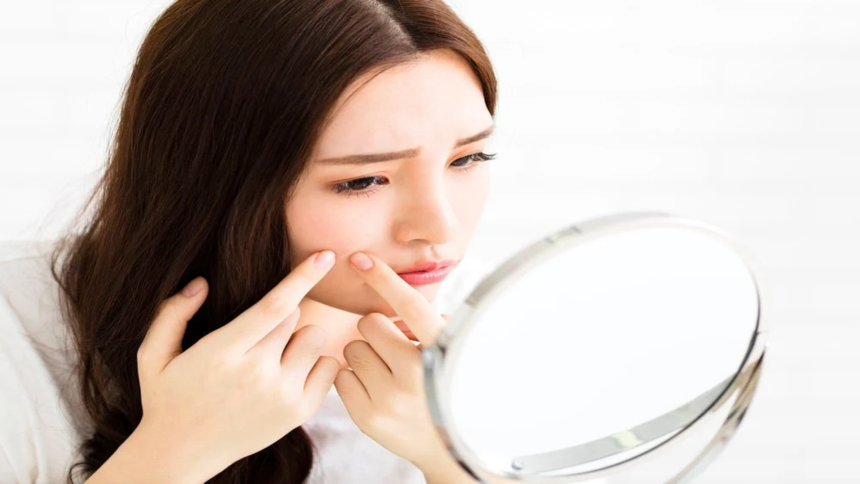
A consistent skincare routine can help maintain healthy skin, but it may not always prevent breakouts linked to makeup use. According to Dr. Ajay Rana, Founder & Director of ILAMED and President of the Indian Society of Aesthetic Medicine (ISAM), makeup-related acne can be linked to three key factors: the ingredients used in a product, how it is applied and removed, and how an individual’s skin reacts to it.
What Is Acne Cosmetica?
Makeup can sometimes contribute to clogged and inflamed hair follicles, a condition commonly known as Acne Cosmetica. It may appear as small skin-coloured bumps, blackheads, whiteheads or red pimples, particularly on areas where makeup is regularly applied.
Acne develops when excess oil and dead skin cells build up inside hair follicles connected to the skin’s oil glands. Products such as certain foundations, concealers, primers and heavy creams may contribute to this blockage, particularly for people with oily or acne-prone skin.
Products labelled “non-comedogenic” are generally less likely to clog pores, although the label does not guarantee that a product will suit everyone. A cosmetic that works well for one person may cause irritation or worsen acne in another.
Makeup Habits That Can Lead to Breakouts
Makeup can combine with oil, sweat, dead skin cells and dirt throughout the day. Keeping makeup on overnight may prolong the blockage and irritation. Makeup brushes and sponges can also accumulate oil, product residue and microorganisms when they are not cleaned regularly.
Sharing makeup products or frequently touching the face can further introduce unwanted germs to the skin. At the same time, excessive washing, harsh soaps and aggressive scrubbing can damage the skin barrier and increase redness and inflammation.
Acne or Another Skin Reaction?
Not every reaction following makeup use is necessarily acne. Symptoms such as burning, itching, peeling or swelling may indicate irritant or allergic contact dermatitis. Folliculitis can also resemble an acne breakout.
If such symptoms develop after using a cosmetic product, consulting a doctor can help determine the underlying cause.
How to Prevent Makeup-Related Breakouts
Choosing lightweight, oil-free and non-comedogenic makeup can help reduce the chances of clogged pores. It is also advisable to avoid frequently switching between new products.
Makeup should be removed gently before going to bed with a suitable cleanser, followed by a moisturiser appropriate for your skin type. Brushes and sponges should be cleaned regularly and allowed to dry completely before being used again. Makeup should not be shared, and products that develop a different smell, appearance or texture should be discarded.
When Should You See a Dermatologist?
Persistent, painful, itchy or spreading breakouts, as well as acne that leaves marks or scars, may require professional evaluation. A dermatologist can review your makeup and skincare routine and recommend appropriate treatment if necessary.
Managing Acne Cosmetica does not necessarily mean giving up makeup. Choosing suitable products and maintaining proper application, cleaning and removal habits can help minimise makeup-related skin problems while allowing you to continue using cosmetics.