
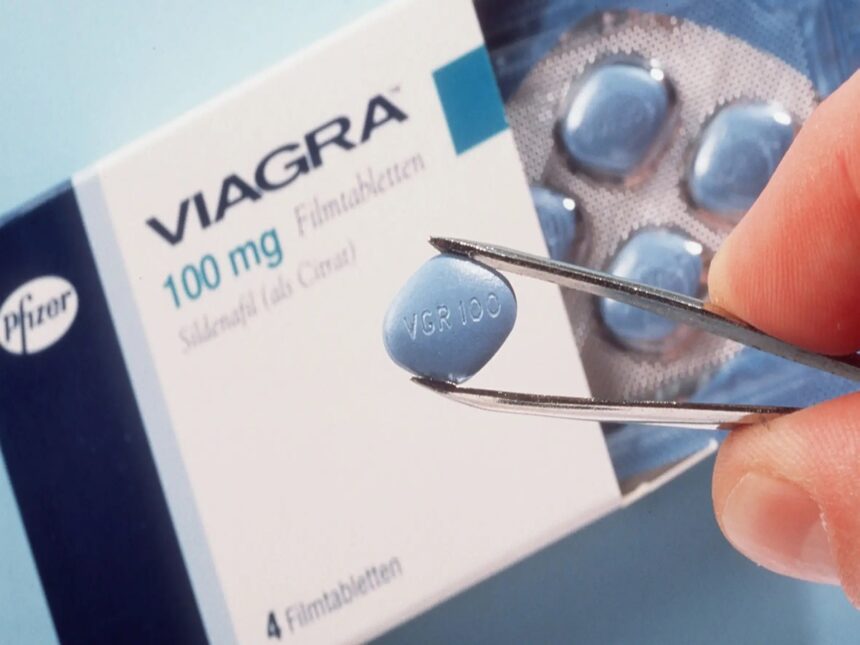
A drug widely prescribed for erectile dysfunction may have an unexpected future in cancer treatment. Researchers have found that sildenafil, the active ingredient in Viagra, could help prevent cancer from spreading by disrupting the way cancer cells use cholesterol, a critical resource they need to survive and form new tumours.
The findings, published in the peer-reviewed journal Cancer Research, highlight the potential of repurposing an existing medication to complement future cancer therapies. However, scientists stress that the research is still in its early stages, and Viagra is not currently approved as a treatment for cancer.
How Sildenafil May Help Stop Cancer From Spreading
Researchers at the Weizmann Institute of Science in Israel identified a previously unknown biological pathway that cancer cells rely on during metastasis—the process in which cancer spreads from its original location to other organs.
According to the study, sildenafil appears to interfere with this pathway by reducing cancer cells’ ability to access and use cholesterol.
Although sildenafil was originally developed to improve blood circulation before becoming a popular treatment for erectile dysfunction, scientists now believe its effects on blood vessels may also limit the nutrients cancer cells need to spread throughout the body.
Why Cholesterol Is Important for Cancer Cells
While cholesterol is commonly associated with heart disease, it plays a much broader role in the human body. It is an essential building block of cell membranes and is required for normal cell growth and function.
Cancer cells that break away from a primary tumour depend heavily on cholesterol to survive while travelling through the bloodstream and to establish new tumours in distant organs.
By restricting the ability of these cells to utilise cholesterol, sildenafil could make metastasis significantly more difficult, potentially reducing one of the leading causes of cancer-related deaths.
Could Viagra and Statins Work Better Together?
Researchers believe sildenafil’s anti-cancer effects may become even stronger when combined with statins, the cholesterol-lowering medications commonly prescribed to reduce cardiovascular risk.
The proposed strategy works on two fronts:
- Sildenafil may reduce cancer cells’ ability to use cholesterol already present in the body.
- Statins decrease the body’s production of cholesterol.
Together, these drugs could limit both the supply and availability of cholesterol, making it harder for cancer cells to spread.
To support this theory, researchers analysed digital health records and observed that patients taking sildenafil appeared to have better survival rates. Those who were also using statins showed an even greater survival benefit.
However, the researchers cautioned that these observations only show an association and do not prove that the medications directly improved survival.
Why Preventing Metastasis Is So Important
Most cancer deaths occur not because of the original tumour but because cancer spreads to vital organs such as the lungs, liver, brain or bones.
Stopping or slowing metastasis remains one of the biggest challenges in oncology. If future studies confirm sildenafil’s effectiveness, the drug could become a valuable addition to existing cancer treatments, helping reduce the spread of disease rather than replacing conventional therapies.
Experts Warn Against Self-Medicating
Despite the encouraging findings, researchers strongly advise against using Viagra to prevent or treat cancer without medical supervision.
The current study identifies a promising biological mechanism and an observational link in patient data, but it does not prove that sildenafil can stop cancer from spreading in humans.
Large-scale clinical trials will be required to determine whether the drug is both safe and effective for cancer patients before it can be considered a treatment option.
Drug Repurposing Could Accelerate Cancer Research
Lead researcher Ayelet Erez said the study highlights how cancer progression is influenced not only by genetic mutations but also by a person’s metabolism and medications taken for other health conditions.
If future clinical research confirms these results, sildenafil could become another successful example of drug repurposing—the process of finding new medical uses for existing medicines. Since Viagra has already been extensively studied for safety over several decades, repurposing it could offer a faster and more cost-effective route toward developing new strategies to combat cancer.