
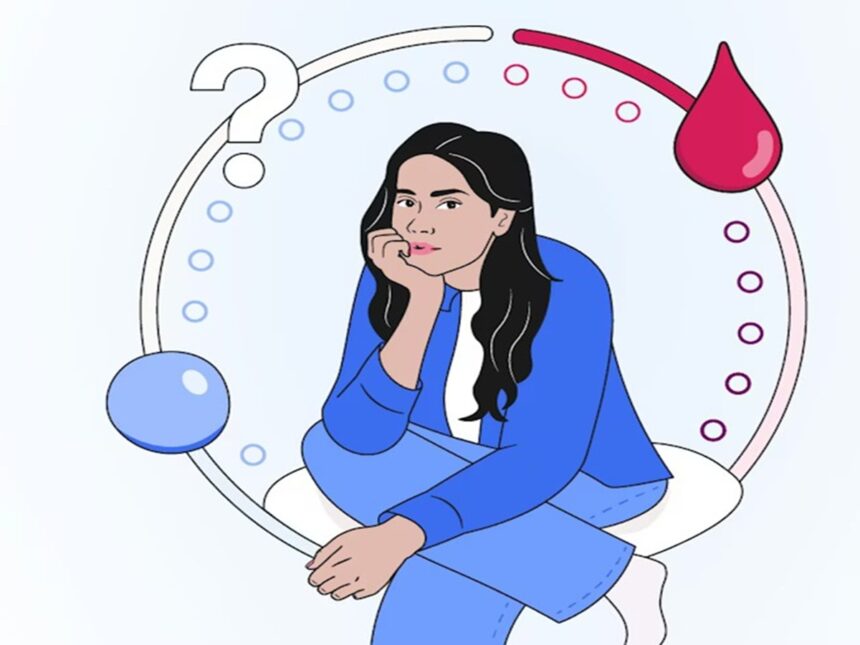
Stress doesn’t just affect your mental well-being—it can also have a significant impact on your menstrual health. From delayed periods to irregular cycles, prolonged stress can interfere with the body’s hormonal balance, affecting ovulation and menstruation.
According to Dr. Sonia Naik, Principal Director – Obstetrics & Gynaecology at Max Smart Super Speciality Hospital, Saket, chronic stress can disrupt the body’s hormone-regulating system, leading to noticeable changes in a woman’s menstrual cycle.
How the Menstrual Cycle Is Controlled
A woman’s menstrual cycle is regulated by a complex hormonal system known as the hypothalamic-pituitary-ovarian (HPO) axis. This communication network coordinates the release of hormones responsible for ovulation and maintaining a regular menstrual cycle.
At the heart of this process is the hypothalamus, a small but crucial region of the brain that controls several essential functions, including sleep, appetite, emotions, and the body’s response to stress.
The hypothalamus signals the pituitary gland, which then releases hormones that stimulate the ovaries to produce estrogen and progesterone. These hormones regulate ovulation and determine the timing of menstrual periods.
How Chronic Stress Can Delay or Disrupt Periods
When the body experiences prolonged emotional or psychological stress, it produces higher levels of stress hormones such as cortisol and adrenaline.
According to Dr. Naik, elevated stress hormones can interfere with the normal functioning of the hypothalamus, disrupting the hormonal signals sent to the pituitary gland and ovaries.
As a result:
- Ovulation may be delayed.
- Ovulation may stop temporarily.
- Menstrual periods can become irregular.
- Cycles may be delayed or even skipped altogether.
This hormonal imbalance is one of the most common reasons women notice changes in their menstrual cycle during stressful periods.
Does Every Type of Stress Affect Periods the Same Way?
Not all forms of stress influence the menstrual cycle in the same manner.
Dr. Naik explains that chronic emotional stress—caused by ongoing anxiety, work pressure, personal issues, or emotional strain—typically results in delayed or irregular periods.
On the other hand, acute physical stress, including:
- Serious illness
- Surgery
- Intense exercise
- Sudden weight loss
- Major physical exertion
may sometimes trigger an earlier-than-expected menstrual cycle.
Common Life Situations That Can Cause Stress-Related Menstrual Changes
Stress-induced menstrual irregularities are frequently seen during major life events or demanding situations, such as:
- Long working hours
- Examination pressure
- Career-related stress
- Relationship problems
- Grief or emotional trauma
- Frequent travel
- Significant lifestyle changes
In most cases, once stress levels decrease and hormonal balance is restored, menstrual cycles gradually return to their normal pattern.
When Should You Consult a Gynaecologist?
While occasional changes in the menstrual cycle due to stress are usually temporary, persistent irregularities should not be ignored.
Dr. Naik advises seeking medical evaluation if:
- Periods remain irregular for more than two to three consecutive cycles
- Menstrual bleeding becomes unusually heavy
- Severe pelvic pain develops
- Other concerning symptoms accompany menstrual changes
A gynaecologist can determine whether stress is the primary cause or if an underlying medical condition, such as hormonal disorders or reproductive health issues, requires treatment.
The Bottom Line
Chronic stress can significantly influence a woman’s menstrual cycle by disrupting the body’s natural hormone regulation system. While temporary delays or irregular periods are common during stressful times, maintaining a healthy lifestyle, managing stress effectively, and seeking timely medical advice for persistent menstrual changes are essential for overall reproductive health.