
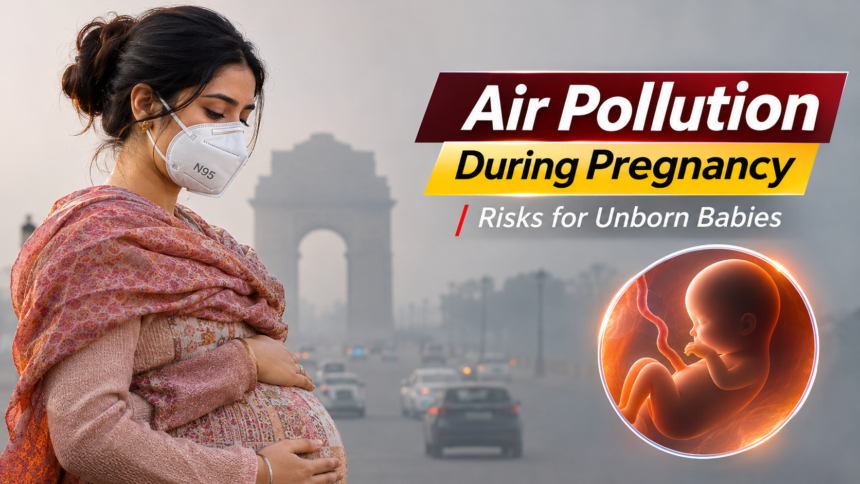
Air pollution is commonly linked to respiratory problems, persistent coughing and long-term lung diseases. However, its effects may begin much earlier, even before a baby is born. Increasing scientific evidence suggests that exposure to polluted air during pregnancy can affect foetal development and may raise the risk of premature delivery, low birth weight and other health complications.
With air quality worsening across several Indian cities during the winter months, the potential impact of pollution on pregnant women and unborn babies has become an important health concern. Understanding these risks and taking preventive measures can help expecting mothers reduce their exposure to harmful pollutants.
How Air Pollution Affects an Unborn Baby During Pregnancy
Fine particulate matter, known as PM2.5, is among the major air pollutants that can affect human health. These microscopic particles measure 2.5 micrometres or less and can travel deep into the lungs, triggering inflammation and oxidative stress in the body.
Scientific studies suggest that exposure to polluted air during pregnancy may interfere with the functioning of the placenta, which supplies oxygen and essential nutrients to the developing baby. Changes in placental function can potentially affect normal foetal growth.
Researchers have also identified possible links between maternal exposure to pollution and the development of important organs, particularly the lungs and brain. However, the severity of these effects depends on several factors, including pollution levels, the duration of exposure and the mother’s overall health.
Global Statistics Highlight the Risks of Air Pollution
The impact of air pollution on newborn health is also reflected in global research findings.
According to the State of Global Air 2024 report, released by the Health Effects Institute in partnership with UNICEF, air pollution was associated with approximately 572,000 neonatal deaths worldwide in 2021. This accounted for around 26% of all deaths during the first 28 days after birth. Household air pollution was also identified as a major contributor to this burden.
The report further estimated that approximately 34% of preterm births globally in 2021 were associated with exposure to air pollution.
These figures represent estimated population-level health impacts. They do not establish that air pollution was the direct cause of every individual case of premature birth or newborn death.
Why Premature and Low-Birth-Weight Babies Face Greater Health Risks
Babies born before completing their full gestation period may face several health challenges because their bodies and organs are not fully developed.
Premature newborns can have underdeveloped lungs, weaker immune systems and difficulty maintaining normal body temperature. Babies with low birth weight may also be more vulnerable to respiratory infections, feeding difficulties and developmental complications.
Research has additionally suggested that exposure to air pollution before birth may be associated with breathing problems and reduced lung development during childhood.
These findings indicate that environmental conditions during pregnancy can have implications for a child’s health even after delivery. Reducing exposure to harmful pollutants is therefore an important part of protecting maternal and newborn health.
How Pregnant Women Can Protect Themselves From Air Pollution
Although completely avoiding air pollution may not always be possible, expecting mothers can take several precautions to limit their exposure.
Monitoring the local Air Quality Index (AQI) can help pregnant women plan their outdoor activities. When pollution levels become particularly high, it is advisable to reduce unnecessary outdoor movement.
Wearing a properly fitted N95 mask when going outside during severe pollution episodes may help reduce the inhalation of harmful particles. Using suitable indoor air filtration systems can also help improve indoor air quality.
Indoor pollution sources should receive equal attention. Pregnant women should avoid exposure to cigarette smoke, incense sticks, mosquito coils and other sources that release harmful particles into the air.
Maintaining regular antenatal appointments is equally important. Routine medical check-ups allow healthcare professionals to monitor the baby’s growth and identify possible pregnancy-related complications.
Protecting Newborn Health Starts During Pregnancy
Air pollution is a wider environmental health challenge that requires attention from both individuals and public health authorities. While occasional exposure should not become a reason for unnecessary panic, taking consistent steps to reduce prolonged exposure can support better maternal and newborn health.
During Newborn Care Week, the importance of protecting babies from the earliest stages of development remains an important focus. A healthy pregnancy, regular medical monitoring and cleaner surroundings all contribute to creating better conditions for a baby’s growth and development.
Disclaimer
This article is based on scientific research and medical information referenced in the source material. It is intended for general informational and educational purposes only and should not be considered a substitute for professional medical advice, diagnosis or treatment. The information does not guarantee individual health outcomes. Pregnant women should consult a qualified healthcare professional for personalised medical guidance and before making any changes to their healthcare routine.