
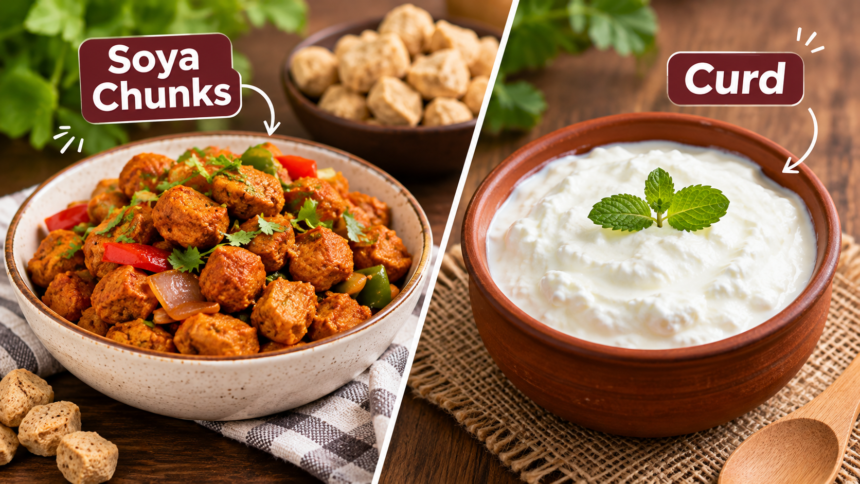
Paneer is often considered the go-to protein source for vegetarians, but there are plenty of other nutritious options available. From everyday dals and chickpeas to soya chunks, peanuts and sprouts, Indian kitchens offer several affordable foods that can help meet daily protein requirements.
Protein plays an important role in maintaining muscle mass, repairing body tissues and supporting overall health. It also helps keep you feeling full for longer, making it an important nutrient for people focusing on weight management, muscle building or general fitness.
If you want to increase your protein intake without depending entirely on paneer, here are seven vegetarian foods worth adding to your everyday diet.
7 Protein-Rich Vegetarian Foods Other Than Paneer
1. Dal and Lentils: An Everyday Protein Source
Indian dals are among the easiest and most accessible ways to include protein in your meals. Masoor dal, moong dal, arhar dal and chana dal provide protein along with essential nutrients such as fibre and iron.
One bowl of cooked dal generally contains around 8–10 grams of protein, depending on the variety and preparation method.
You can prepare dal with a simple cumin and garlic tempering and serve it with rice or roti. Combining lentils with grains also helps provide a wider range of essential amino acids.
Tip: Include different varieties of dal in your weekly meal plan to enjoy a wider range of nutrients and flavours.
2. Chole and Chana: Protein-Rich Desi Foods
Chickpeas, including black chana and kabuli chana, are excellent vegetarian sources of protein and dietary fibre. They are versatile ingredients that can easily become part of your breakfast, lunch or evening snacks.
Roasted chana is particularly convenient for people looking for a filling snack between meals. You can also prepare chole, boiled chana salad or black chana chaat to add more plant-based protein to your diet.
Their combination of protein and fibre can help keep hunger under control for longer.
3. Soya Chunks and Soya Chaap: A High-Protein Alternative
Soya chunks are among the most protein-dense vegetarian food options. They are particularly useful for people who want to increase their protein intake without relying on animal-based foods.
You can add soya chunks to vegetable curries, pulao and stir-fried dishes. Soya chaap tikka is another popular preparation for those who enjoy flavourful, protein-rich meals.
Soya products are also relatively affordable and easy to incorporate into everyday cooking, making them a practical choice for vegetarian diets.
4. Greek Yogurt and Curd: Protein with Everyday Nutrition
Curd is a familiar part of Indian meals and provides protein along with other important nutrients. Greek yogurt is another option, often containing considerably more protein than regular curd.
You can include curd with lunch, prepare refreshing raita or use Greek yogurt in smoothies and breakfast bowls.
Adding these dairy products to your diet is a convenient way to increase protein consumption while enjoying different meal options.
5. Peanuts and Peanut Butter: A Convenient Protein Snack
Peanuts are a good source of plant-based protein and healthy fats. Peanut butter is another convenient option that can be included in breakfast and snacks.
Around two tablespoons of peanut butter can provide approximately 8 grams of protein, depending on the brand and formulation.
You can spread it on whole-wheat toast, mix it into a smoothie or enjoy a handful of roasted peanuts between meals. However, keep portion sizes in mind because peanuts and peanut butter are also calorie-dense.
6. Sprouted Moong and Moth Beans: A Nutritious Addition
Sprouted moong and moth beans are popular ingredients in Indian households. They provide plant-based protein, fibre and other nutrients, making them useful additions to a balanced vegetarian diet.
A bowl of sprouted moong chaat can be a refreshing breakfast or evening snack. Add chopped onions, tomatoes and lemon juice to enhance its flavour.
Sprouting also changes the nutritional composition of legumes and may improve the availability of certain nutrients. However, the protein content depends on the quantity and type of sprouts consumed.
7. Quinoa, Oats and Millets: Nutritious Grain Options
Quinoa, oats and traditional Indian millets such as bajra and ragi can contribute to your daily protein intake. They also provide dietary fibre and other nutrients.
Oats are particularly easy to include in breakfast. You can prepare them with milk, add peanuts and include a banana for a filling morning meal.
Similarly, quinoa and millets can be used as alternatives to rice in different recipes. Including a variety of grains alongside pulses and other protein sources can help create balanced meals.
How Much Protein Do You Need Every Day?
Your daily protein requirement depends on factors such as body weight, physical activity and fitness goals. The following table provides general protein-intake estimates based on body weight.
| Fitness Goal | Daily Protein Requirement |
|---|---|
| Normally active individual | 0.8–1 gram per kg of body weight |
| Fat loss | 1.2–1.5 grams per kg of body weight |
| Muscle gain | 1.6–2 grams per kg of body weight |
For example, an individual weighing 60 kg who is aiming for fat loss may target approximately 72–90 grams of protein daily.
These are general estimates rather than fixed requirements. Individual needs can vary depending on health conditions, age and exercise intensity.
Sample High-Protein Vegetarian Diet Without Paneer
If you are unsure how to include different protein sources in your everyday meals, here is a simple meal plan that does not require paneer or protein supplements.
| Meal | Food Options |
|---|---|
| Breakfast | Oats with milk, peanut butter and banana |
| Lunch | Dal, brown rice, curd and salad |
| Evening Snack | Roasted chana and sprouts chaat |
| Dinner | Soya chunks sabzi, two rotis and salad |
This meal plan can provide approximately 75–85 grams of protein, depending on portion sizes, ingredients and preparation methods.
Conclusion
Meeting your daily protein requirements does not mean you have to depend entirely on paneer or expensive protein supplements. Everyday vegetarian foods such as dal, chickpeas, soya chunks, curd, peanuts, sprouts and millets can all contribute to a balanced, protein-rich diet.
The key is to include a variety of these foods in appropriate portions and distribute your protein intake across different meals. Combine nutritious food choices with adequate hydration and regular physical activity to support your fitness goals.
A protein-rich vegetarian diet can be both affordable and nutritious when you make smart use of ingredients already available in your kitchen.