
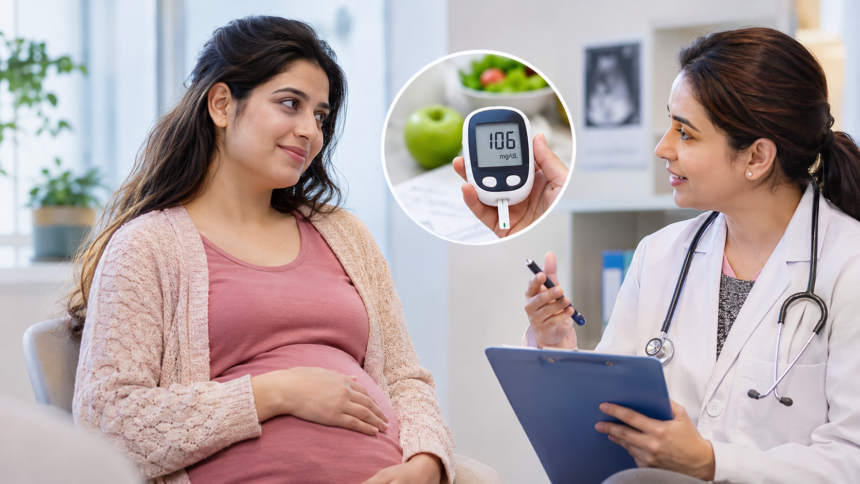
High blood sugar levels before conception and during the early stages of pregnancy can increase the chances of miscarriage and affect the development of the baby’s organs. The risk is particularly important during early pregnancy, as several major organs begin developing before many women even know they are pregnant.
For women living with Type 1 or Type 2 diabetes, managing blood sugar levels before trying to conceive is therefore an important step. While both conditions can create complications during pregnancy, they differ in how the body produces and uses insulin. Medication requirements, monitoring and existing health problems also play a role in determining the care a woman may need.
Understanding the Difference Between Type 1 and Type 2 Diabetes
Type 1 diabetes is an autoimmune condition in which the body’s immune system attacks the insulin-producing cells in the pancreas. Insulin is a hormone that allows glucose from the bloodstream to enter cells and provide energy. Since the body produces very little or no insulin in people with Type 1 diabetes, lifelong insulin treatment is necessary. Although the condition is commonly diagnosed at a young age, it can also develop in adults.
Type 2 diabetes develops when the body becomes resistant to insulin or fails to produce enough of it to keep blood sugar within a healthy range. Factors such as age, family history, body weight and physical activity can influence the risk. The condition often develops slowly, and some people may not experience noticeable symptoms in its early stages.
Undiagnosed diabetes is another concern for women planning pregnancy. A 2024 study conducted among adults in three villages in Bengaluru Rural district reported that 10.9% of participants had Type 2 diabetes, while 6.3% had prediabetes. The study also found that more than one-third of participants identified with diabetes were previously unaware of their condition. Although the findings cannot be applied directly to the entire Bengaluru city population, they highlight the importance of timely blood sugar screening.
How Type 1 and Type 2 Diabetes Can Affect Pregnancy
Women with Type 1 diabetes usually need a detailed review of their insulin treatment before becoming pregnant. Insulin requirements and blood sugar patterns may change during pregnancy, meaning previously suitable doses might need adjustment. The possibility of low blood sugar, particularly during early pregnancy, makes regular testing and medical supervision essential.
For women with Type 2 diabetes, pregnancy planning may require attention to other health conditions as well. High blood pressure, excess body weight and abnormal cholesterol levels can add to the challenges. Certain medicines used to manage these conditions may not be suitable during pregnancy. For example, some blood pressure medications need to be replaced before conception under medical guidance.
Both types of diabetes can also be associated with existing kidney or eye complications. Doctors need to assess these conditions before pregnancy to determine whether additional treatment, precautions or closer monitoring will be necessary.
Important Health Checks Before Planning a Baby
Women with diabetes should consider a preconception appointment with a diabetes specialist and an obstetrician or fertility specialist. This consultation helps assess blood sugar management, current medications and overall health before pregnancy.
One of the important tests is HbA1c, which provides an estimate of average blood glucose levels over the previous two to three months. According to the American Diabetes Association’s 2026 guidelines, women planning pregnancy should aim for an HbA1c level below 6.5%, provided this target can be achieved without frequent or excessive episodes of low blood sugar.
Doctors may also recommend several other health assessments, including:
- Kidney function testing and a urine test to check for early signs of kidney damage.
- An eye examination to identify diabetes-related eye complications.
- Blood pressure measurement to assess cardiovascular health.
- A review of existing medications to identify treatments that may need adjustment before pregnancy.
Any changes to insulin doses or other prescribed medicines should be made with medical supervision.
Can Women With Diabetes Have a Healthy Pregnancy?
Having Type 1 or Type 2 diabetes does not automatically mean a woman cannot have a healthy pregnancy. However, understanding the differences between the two conditions helps doctors develop an appropriate treatment and monitoring plan.
Managing blood sugar levels, reviewing medications and identifying existing health complications before conception can help reduce avoidable pregnancy risks. Early preparation and regular medical guidance give women with diabetes a better opportunity to enter pregnancy with their health under control.
Disclaimer
This article is intended for general informational and educational purposes only. It does not replace professional medical advice, diagnosis or treatment. Women with Type 1 or Type 2 diabetes who are planning pregnancy should consult qualified healthcare professionals before making changes to their medications, insulin doses or treatment plans.