
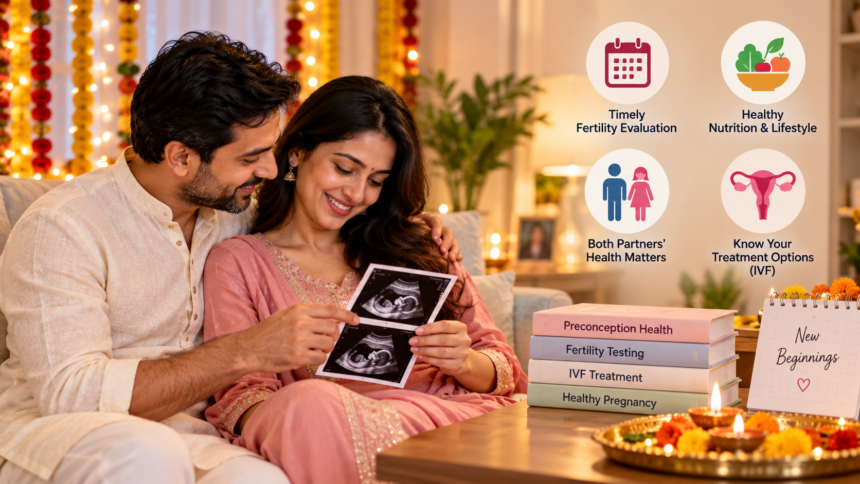
The festive season often inspires couples to think about new beginnings, including starting a family. However, preparing for pregnancy involves more than choosing a convenient time. Understanding reproductive health, managing existing medical conditions and seeking timely medical advice can help couples make informed decisions about parenthood.
Fertility depends on several factors, including age, hormonal health, sperm quality, lifestyle and underlying medical conditions. A preconception consultation can help identify potential concerns and guide both partners, whether they are planning to conceive naturally or considering fertility treatment.
When Should Couples Seek a Fertility Evaluation?
Age can influence fertility, particularly for women, as both egg quantity and quality decline over time. Seeking medical advice at the appropriate stage can help couples understand their reproductive health and explore suitable options.
Women below 35 years are generally advised to seek a fertility evaluation if pregnancy has not occurred after 12 months of regular, unprotected intercourse. For women aged 35 and above, an evaluation is generally recommended after six months of trying. Women over 40, or those with known fertility concerns, may benefit from consulting a specialist earlier.
A fertility assessment can help identify possible reasons for difficulty conceiving and determine whether further investigations or treatment may be appropriate.
Why Both Partners Should Prepare for Pregnancy
Pregnancy planning is a shared responsibility. A woman’s assessment may include reviewing menstrual cycles, thyroid function, diabetes, medications and other existing health conditions. Men may also require an evaluation of sperm health, particularly when fertility concerns arise.
Lifestyle choices can affect reproductive health in both partners. Smoking, excessive alcohol consumption, inadequate sleep, ongoing stress and unhealthy eating habits may influence fertility. Addressing these factors before trying to conceive can support overall health.
Couples should also discuss existing medical conditions and current medications with their healthcare provider before pregnancy planning begins.
Nutrition and Lifestyle Changes Before Conception
Healthy habits established before pregnancy can help prepare the body for conception. A balanced diet, regular physical activity, adequate sleep and maintaining a healthy weight are important parts of preconception care.
Women planning a pregnancy are generally advised to take folic acid daily, starting at least one month before conception. The appropriate dose may vary depending on individual circumstances, so women should follow their doctor’s advice.
It is also important to review existing health conditions and medications before attempting pregnancy. Early preparation gives couples an opportunity to address potential concerns and receive guidance suited to their individual needs.
When Might IVF Be Recommended?
In vitro fertilisation (IVF) may be considered for certain fertility problems, including blocked fallopian tubes, some sperm-related conditions, endometriosis and unexplained infertility.
However, IVF is not necessary for every couple experiencing difficulty conceiving. The recommended approach depends on factors such as both partners’ medical histories, age, test results and the underlying cause of infertility.
A fertility specialist can explain the available treatment options, the investigations required and the potential outcomes. Couples should understand that fertility treatment does not guarantee pregnancy and that the appropriate approach varies from one individual or couple to another.
Pregnancy Planning Without Unnecessary Pressure
Festivals can bring families together, but they may also come with questions and expectations about having children. Couples should remember that decisions about pregnancy are personal and should be based on their circumstances, health and readiness.
There is no single ideal time for every couple to conceive. Seeking reliable medical advice, understanding individual fertility needs and supporting each other emotionally can help partners approach the process with realistic expectations.
By combining timely fertility assessment with healthy lifestyle choices and informed medical guidance, couples can take practical steps towards planning a family.
Disclaimer: This article is intended for general informational and educational purposes only and does not constitute medical advice. Fertility, pregnancy planning and treatment outcomes vary according to individual circumstances. Consult a qualified healthcare professional or fertility specialist for personalised guidance before making decisions about conception, supplements or fertility treatment.