
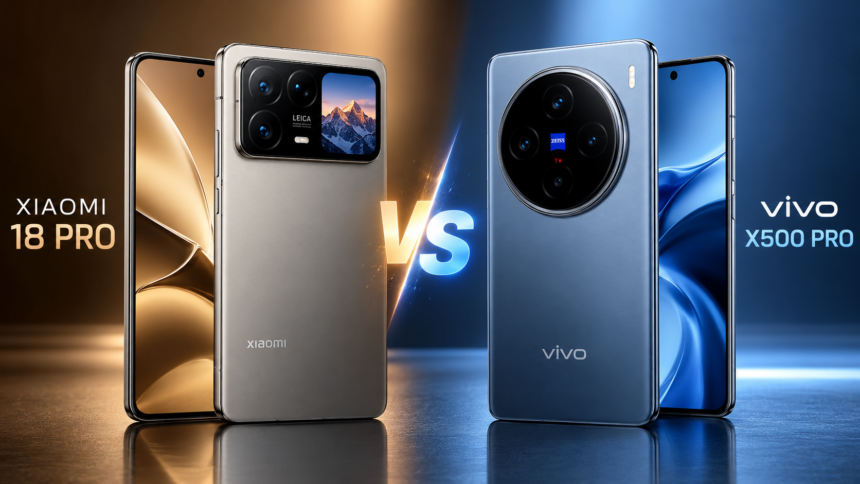
The Xiaomi 18 Pro and Vivo X500 Pro are expected to compete in the premium smartphone segment, with both devices reportedly focusing on powerful processors, advanced camera systems and high-end displays. Rumours suggest that both phones could feature 2nm chipsets, while Xiaomi may stand out with its high-resolution cameras and larger battery. Vivo, meanwhile, could appeal to buyers looking for a compact design and advanced video recording features.
Neither smartphone has been officially launched in India, so the specifications, prices and availability discussed below should be treated as preliminary estimates rather than confirmed details.
Xiaomi 18 Pro vs Vivo X500 Pro: Price in India
In China, the Xiaomi 18 Pro is reported to start at CNY 5,999 for the 12GB RAM and 256GB storage variant. The Vivo X500 Pro is expected to carry a higher starting price of CNY 6,499.
Indian pricing remains unconfirmed, and estimates from different sources vary considerably. Gizmochina suggests that the Xiaomi 18 Pro could cost around ₹1,20,000 in India, while the Vivo X500 Pro may be priced closer to ₹93,000. Smartprix offers a different estimate for the Vivo model, placing its expected price at approximately ₹1,04,990.
These figures are speculative. Buyers should wait for official announcements before making a decision based on price.
Display and Performance
The Xiaomi 18 Pro is expected to feature a 6.4-inch LTPO AMOLED display with a 120Hz refresh rate, support for 68 billion colours and Dolby Vision. It may also include a secondary screen on the rear, allowing users to access additional functions and take selfies using the main cameras.
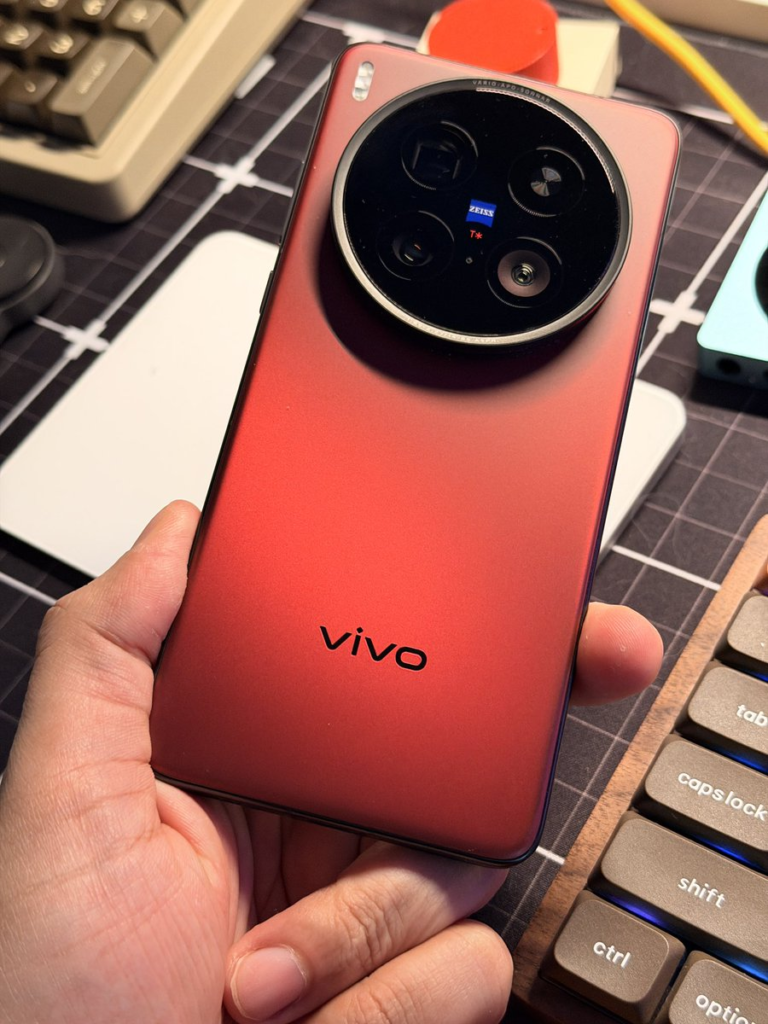
The Vivo X500 Pro is rumoured to have a slightly smaller 6.36-inch LTPO AMOLED display with a 144Hz refresh rate and a resolution of 1216 x 2660 pixels. Its higher refresh rate could provide smoother scrolling and animations, while the smaller screen may appeal to users who prefer a more compact phone.
Performance is another important part of this comparison. The Xiaomi 18 Pro is reportedly being developed with the Snapdragon 8 Elite Gen 6 processor, manufactured using a 2nm process. The chipset is rumoured to reach clock speeds of around 5GHz. Memory options could include up to 16GB of RAM and 1TB of storage.
The Vivo X500 Pro is expected to use the MediaTek Dimensity 9600 Pro, which is also rumoured to be built on a 2nm process. Its reported clock speed reaches up to 4.55GHz, and the phone could offer up to 12GB of RAM.
Both devices are expected to deliver strong performance for everyday tasks, multitasking and demanding applications. However, their actual speed and efficiency will depend on the final hardware and software optimisation.
Camera Comparison
Camera capabilities could be a major deciding factor between these two smartphones.
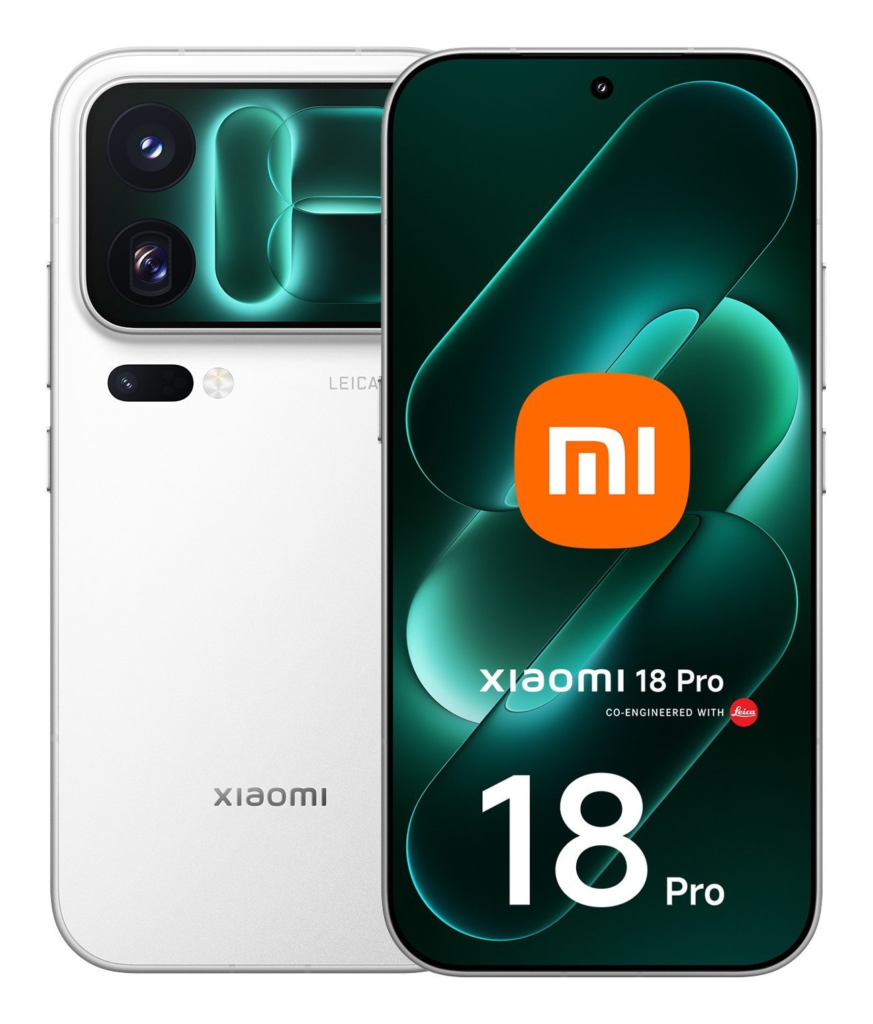
The Xiaomi 18 Pro is rumoured to feature a Leica-tuned triple-camera system. The setup could include a 200MP primary camera, a 200MP periscope telephoto camera with 3.2x optical zoom, and a 50MP ultra-wide camera. If these specifications prove accurate, Xiaomi could offer considerable flexibility for high-resolution photography and zoom shots.
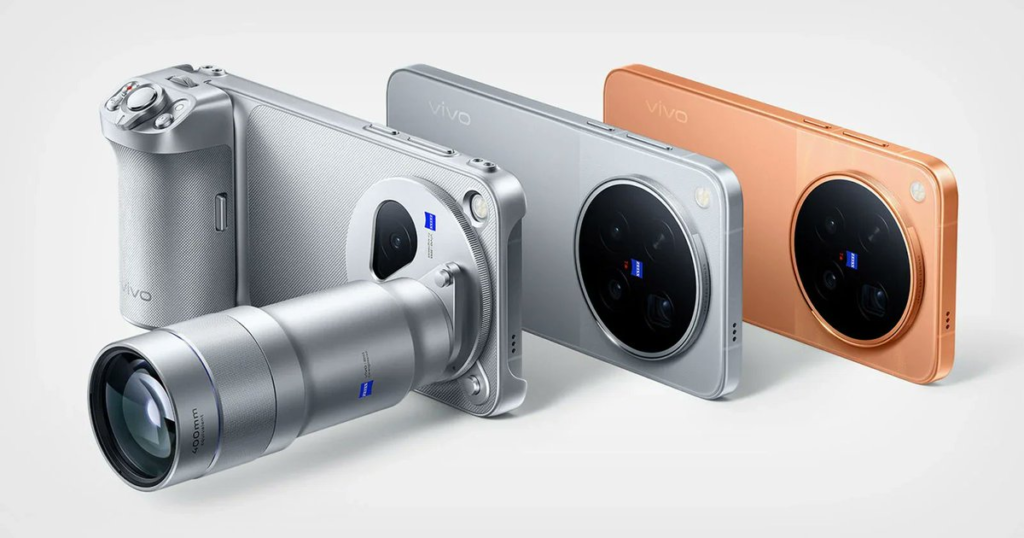
The Vivo X500 Pro is expected to feature Zeiss-tuned cameras, comprising a 50MP primary sensor, a 64MP periscope telephoto camera with 3.5x optical zoom, and a 50MP ultra-wide sensor.
Although Xiaomi appears to have an advantage in camera resolution, megapixel counts alone do not determine image quality. Vivo could appeal more to video creators, with reported support for 4K recording at up to 240 frames per second and 3D LUT support for more controlled colour grading.
The final comparison will depend on image processing, low-light performance, stabilisation and the quality of the finished camera systems.
Battery, Charging and Final Verdict
The Xiaomi 18 Pro is rumoured to pack a 7,000mAh silicon-carbon battery, supported by 100W wired charging, 50W wireless charging and 27W reverse wireless charging.
The Vivo X500 Pro could feature a 6,510mAh battery with 90W wired charging and 40W wireless charging. Xiaomi appears to have the advantage in battery capacity and charging power, although actual charging times and battery endurance will need to be tested.
The Xiaomi 18 Pro could be the stronger choice for buyers who prioritise high-resolution cameras, a larger battery, faster charging and additional rear-display functionality. The Vivo X500 Pro may suit those who prefer a compact phone, a higher refresh rate and more advanced video features. Vivo is also reported to promise five major Android updates.
With Indian prices, launch dates and final specifications still unconfirmed, it is advisable to wait for official details before choosing between the two models.
Best Fast-Charging Smartphones Under ₹30,000
Fast charging has become an important consideration when buying a smartphone, particularly for users who need to recharge quickly during a busy day. Several phones offer high-wattage charging, but battery capacity, availability and actual charging performance should also be considered when choosing a device.
Here is a comparison of four smartphones that offer different combinations of charging speed, battery capacity and features within or close to the ₹30,000 price range.
Motorola Edge 50 Pro: 125W Fast Charging
The Motorola Edge 50 Pro stands out for its 125W TurboPower wired charging and wireless charging support. According to 91mobiles, the phone is listed at around ₹27,999, placing it within the budget.
Its other specifications include a 6.7-inch P-OLED display, a Snapdragon 7 Gen 3 processor, a 50MP primary rear camera and a 50MP front camera.
The phone’s 4,500mAh battery is smaller than those offered by some competitors. This can make it quicker to recharge, although actual charging times also depend on temperature, charging conditions and power management.
One factor to consider is the phone’s age. Released in 2024, the Edge 50 Pro may have inconsistent stock availability, and its processor is no longer among the newest options. Buyers should confirm current availability and pricing before placing an order.
Realme GT 7T: 120W Charging with a 7,000mAh Battery
The Realme GT 7T combines 120W SuperVOOC charging with a large 7,000mAh battery. The included charger adds convenience, while the battery capacity could help users go longer between charging sessions.
Some reviews report that the phone can reach a full charge in approximately 42 minutes, although results may vary depending on charging conditions.
The main consideration is its price. The Realme GT 7T launched at ₹34,999, with the price potentially dropping to around ₹28,999 when eligible bank discounts are applied. Current listings place the 8GB RAM and 256GB storage variant at approximately ₹30,999 to ₹31,900.
As a result, it may exceed the ₹30,000 budget unless a suitable discount or sale is available. For buyers willing to take advantage of an offer, its combination of fast charging and high battery capacity could make it an appealing option.
OnePlus Nord CE6 and Motorola Edge 70 Fusion
The OnePlus Nord CE6 supports 80W charging and features an 8,000mAh battery. Although its charging speed is lower than that of the Motorola Edge 50 Pro and Realme GT 7T, its larger battery could reduce how frequently it needs to be plugged in.
Other reported specifications include a 6.78-inch AMOLED display with a 144Hz refresh rate, a Snapdragon 7s Gen 4 processor, a 32MP front camera and IP-rated water resistance. With a listed price of ₹29,999, it sits at the upper end of the budget.
The Motorola Edge 70 Fusion takes a different approach, offering 68W charging alongside a 7,000mAh battery. Motorola lists the base model at a starting price of ₹29,749. Its large battery could provide close to two days of use for some users, depending on their usage patterns.
While the Edge 70 Fusion is the slowest-charging option among these four phones, it may be suitable for buyers who value battery endurance and an overall balanced smartphone experience over the shortest possible charging time.
Which Fast-Charging Phone Should You Buy?
The right choice depends on whether charging speed, battery capacity or overall value matters most to you.
The Motorola Edge 50 Pro is worth considering if your main priority is the highest advertised charging speed and you also want wireless charging. However, check its availability before purchasing.
The Realme GT 7T offers a compelling combination of 120W charging and a 7,000mAh battery. It becomes a more attractive option if a sale or bank discount brings the price below ₹30,000.
The OnePlus Nord CE6 may be better suited to users who prioritise battery capacity and want to charge less frequently. Meanwhile, the Motorola Edge 70 Fusion offers a large battery and a more moderate charging speed for everyday use.
Smartphone prices and availability can change frequently. Check the final checkout price, available offers and included accessories before making a purchase.
Disclaimer: The Xiaomi 18 Pro and Vivo X500 Pro specifications, prices and launch details discussed in this article are based on reports and estimates and have not been officially confirmed. Smartphone prices, availability, features and charging performance may vary by market, retailer and usage conditions. Readers should verify the latest information through official manufacturer announcements and authorised retailers before making a purchase. The information about fast-charging smartphones is provided for general informational purposes, and listed prices may change without notice.