
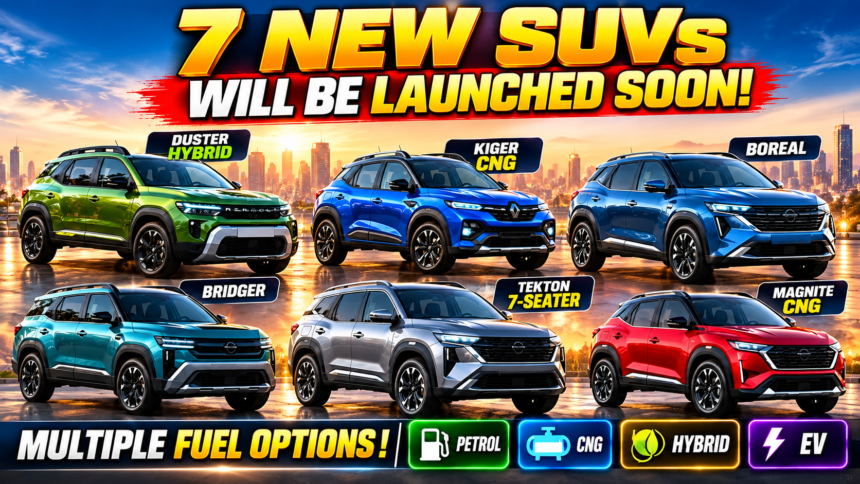
Renault and Nissan are preparing an extensive SUV offensive in India, with seven new models planned for launch over the next 12 months. The upcoming lineup is expected to cover multiple powertrain options, including strong hybrids, CNG, petrol and electric technology.
The two automakers are reshaping their India strategy through their partnership and are looking to expand their presence across different SUV segments. The planned launches will include the new Renault Duster Hybrid, Kiger CNG, Boreal, Bridger, Nissan Tekton 7-seater and Magnite CNG, along with another SUV based on the shared architecture.
Renault Duster Hybrid and Kiger CNG
Following the return of the Renault Duster, the company is preparing a strong-hybrid version of the SUV. The Duster Hybrid is scheduled to launch on October 17. It is expected to use a 1.8-litre naturally aspirated petrol engine combined with a strong-hybrid system and a 1.4 kWh battery.
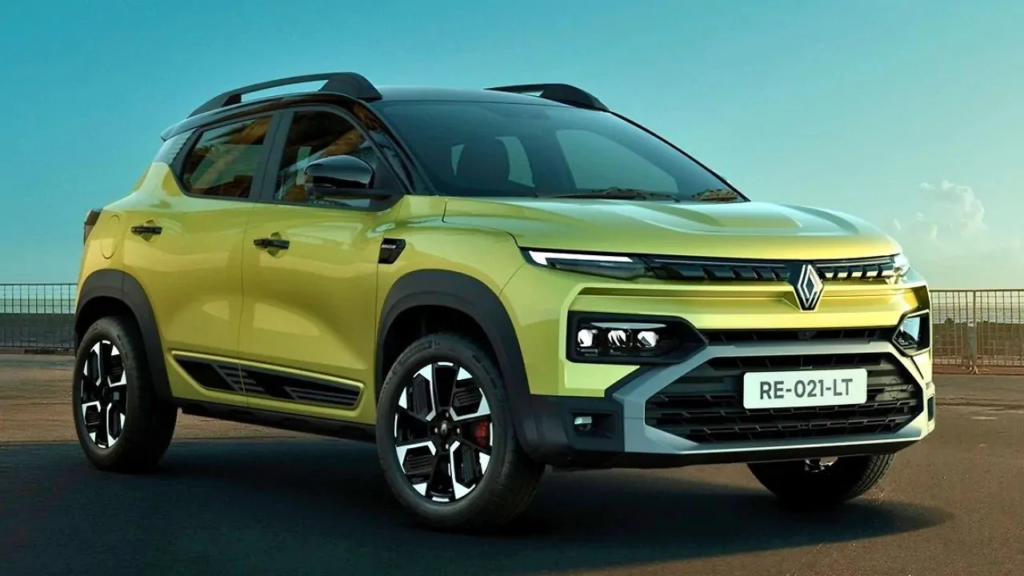
Renault is also working on a major mechanical update for the sub-4-metre Kiger. The SUV is expected to move to the company’s RGEP architecture, which is intended to improve structural strength and provide better packaging for an underbody CNG tank.
The updated Kiger could receive a factory-fitted CNG setup, potentially combined with its turbo-petrol engine. The existing turbo-petrol motor produces around 100 PS and 172 Nm of torque. If adapted for CNG, the setup could give the Kiger another powertrain choice in the compact SUV segment.
Renault Boreal and Bridger SUVs
Renault is also developing a larger three-row SUV following the Duster. The model could be introduced as the Boreal and is expected to arrive before the Nissan Tekton 7-seater.
Although the Boreal will take design inspiration from the Duster, it will have its own exterior styling and a larger body to accommodate three rows of seats. The SUV is expected to be offered with a 1.3-litre turbo-petrol engine as well as a 1.8-litre strong-hybrid petrol powertrain.
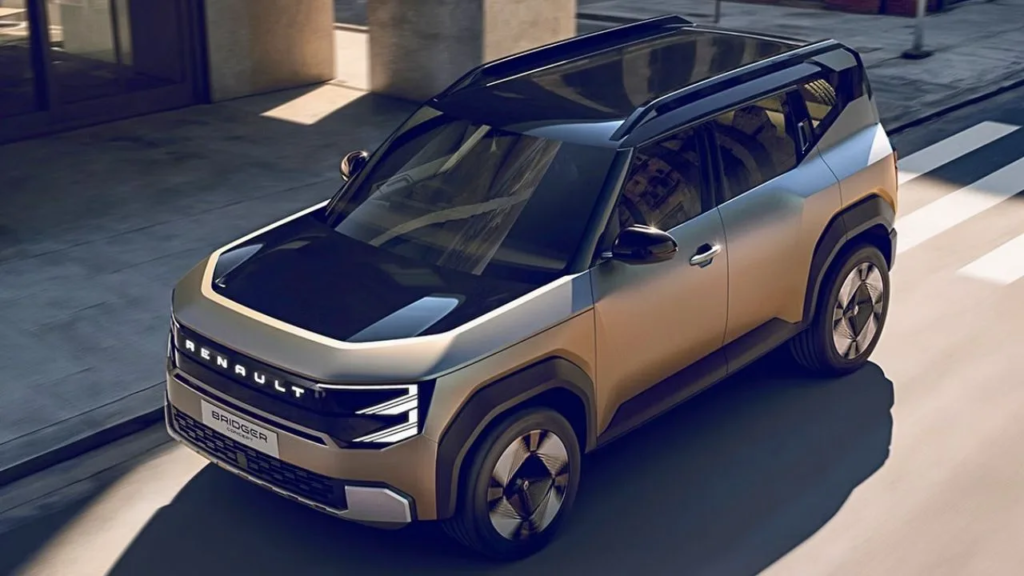
Another important upcoming model is the Bridger, a sub-4-metre SUV concept that Renault showcased earlier this year. The vehicle is being developed by Renault’s Indian team and is intended not only for India but also for international markets.
Renault is developing the Bridger as a multi-energy SUV. It is expected to be available with petrol, turbo-petrol, hybrid, CNG and electric powertrain options. A 1.2-litre engine could power the regular petrol and turbo-petrol versions, while the company is also working on a new 1.2-litre three-cylinder hybrid engine using Miller cycle technology.
Nissan Tekton 7-Seater and Magnite CNG
Nissan is preparing a three-row version of its upcoming Tekton SUV and has indicated that the model is planned for launch by the end of the current financial year. It will use the same platform as the standard version but will be slightly larger to accommodate seven occupants.
The Tekton 7-seater is expected to get a 1.3-litre turbo-petrol engine, potentially paired with either a 6-speed manual transmission or a DCT gearbox. The smaller 1.0-litre turbo-petrol engine is unlikely to be offered with the larger three-row version.
Meanwhile, Nissan is also considering a factory-fitted CNG option for the Magnite. The Magnite shares its platform with the Renault Kiger, and the Kiger’s planned move to the RGEP architecture could also pave the way for similar technology in the Magnite.
If introduced, the factory-fitted CNG version could become Nissan’s first SUV in India to offer a company-fitted CNG kit.
Renault-Nissan Shared SUV Strategy
Renault and Nissan are expected to continue sharing platforms and mechanical technologies while giving their respective SUVs different exterior designs and styling. Nissan is also preparing an SUV based on the same architecture as the Renault Bridger.
While the two brands are likely to share much of the underlying mechanical setup, their vehicles will be differentiated through design and positioning. A similar approach could be seen with other products in the alliance, including the Renault Duster and Nissan Tekton.
Disclaimer
The information in this article is based on currently available details and expected product plans. Specifications, powertrain options, features and launch timelines may change depending on the companies’ final decisions. Readers should refer to official Renault and Nissan announcements for confirmed information.