
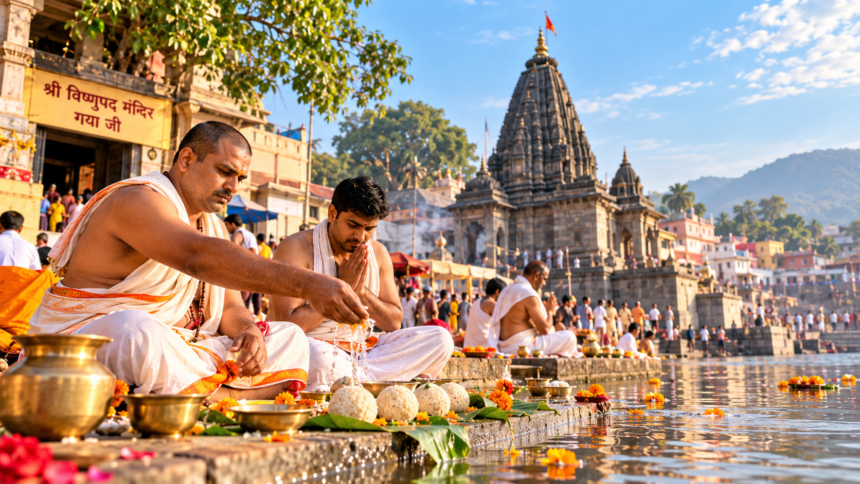
New Delhi: Pitru Paksha is an important period in Hindu tradition when families perform Shraadh and Pind Daan to pay respects to their ancestors and pray for their peace. Gaya Ji in Bihar is regarded as one of the most significant pilgrimage destinations for these rituals.
According to religious beliefs, Pind Daan performed at Gaya is associated with the spiritual upliftment of ancestors belonging to 108 lineages and seven generations. Every year, the Pitru Paksha Mela brings a large number of devotees from across India and abroad to the city.
For those planning a visit in 2026, details about the Mela dates, important ritual sites, estimated expenses and travel options can help make the pilgrimage easier to manage.
Pitru Paksha Mela 2026 Dates
The Pitru Paksha Mela 2026 in Gaya Ji began on September 25 and will continue until October 10, 2026. The final day, October 10, is Sarvapitru Amavasya, which is traditionally observed for performing Shraadh for ancestors whose date of death is not known.
Gaya has 48 major Vedis where devotees perform Pind Daan. Among the prominent locations are Vishnupad Temple, Gaya Shiromani Temple, Phalgu River, Panchteerth and Sita Kund.
Since the Mela attracts lakhs of devotees, travellers are advised to arrange their train tickets and accommodation in advance.
How Much Does Pind Daan in Gaya Ji Cost?
The overall cost of a Gaya Ji Pind Daan visit depends on travel, accommodation and the rituals selected.
For travellers going from Delhi to Gaya, train tickets can cost approximately ₹500 to ₹3,000, depending on the class. Airfares can range from around ₹3,000 to ₹10,000.
Accommodation in Gaya may cost approximately ₹3,000 to ₹7,000, depending on the type of property and facilities.
The charges for Pind Daan, Shraadh and related puja rituals can range from around ₹2,100 to ₹5,100, and in some cases may go up to ₹11,000. Pind Daan charges may be applicable separately.
Devotees should discuss the complete cost of the rituals with the priest before starting the ceremony. This includes the cost of puja materials, sankalp and dakshina, helping avoid confusion regarding expenses later.
Where possible, devotees may also contact the authorised Gayawal Panda Ji traditionally associated with their family lineage.
Religious Significance of Pind Daan in Gaya
Gaya Ji is located along the Phalgu River in Bihar’s Magadh region and is considered an ancient pilgrimage centre for performing rituals for ancestors.
Religious traditions connect Gaya with moksha, with references to the significance of the place found in texts including the Vishnu Purana and Vayu Purana. Another belief holds that Lord Vishnu is present in Gaya in the form of Pitru Devata.
According to traditional belief, Pind Daan performed in Gaya can provide spiritual upliftment to ancestors across 108 lineages and seven generations.
Several stories from Hindu tradition are also associated with the city. It is believed that Lord Brahma performed Pind Daan for his ancestors on the banks of the Phalgu River. Another tradition says that during the Treta Yuga, Lord Rama performed Pind Daan for his father, King Dasharatha, at Gaya.
Gaya is traditionally said to have had 360 Vedis, of which 48 are believed to remain today. Akshay Vat is another important religious site where devotees make offerings for their ancestors, with such offerings traditionally associated with lasting punya.
Another belief associated with Gaya is that a person can perform their own Pind Daan and Shraadh while still alive.
How to Reach Gaya Ji
During Pitru Paksha, the large number of visitors can make travel and accommodation arrangements more difficult, so advance planning is advisable.
Travellers can reach Gaya directly or first travel to Patna, the capital of Bihar, and continue to Gaya by road or rail. The journey from Patna to Gaya can take around two hours.
After reaching Gaya Ji Junction, visitors can take an auto-rickshaw or taxi to reach the different Pind Daan locations. Those travelling from Patna by road can use buses, taxis or private vehicles.
With October 10, 2026 marking Sarvapitru Amavasya, devotees following the traditional practice of performing Shraadh for ancestors whose death date is unknown may observe the rituals on this day.
Disclaimer
This article is intended for general informational purposes and is based on the traditional religious beliefs, travel details and estimated costs mentioned above. Ritual practices, priest charges, travel fares and accommodation prices may vary. Devotees should confirm current arrangements, expenses and ritual procedures locally before making plans.