
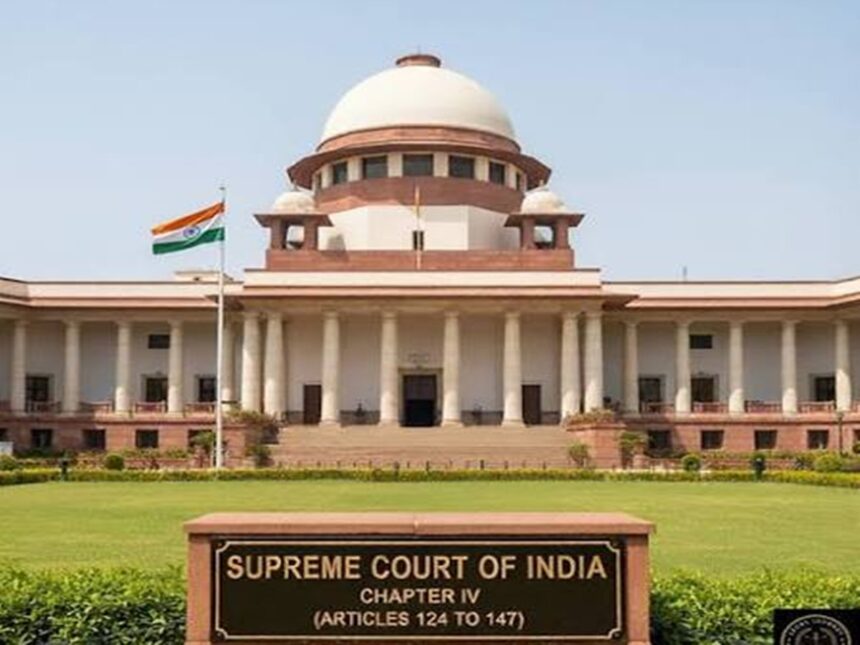
The Supreme Court has sought the Centre’s response to a plea demanding stronger measures to shield children from sexual exploitation, abusive material and other online risks on social media and digital platforms.
The Supreme Court on Thursday issued notice to the Centre on a petition seeking stronger safeguards for children using social media and other internet-based services.
A bench comprising Chief Justice of India Surya Kant and Justices Joymalya Bagchi and V Mohana highlighted the growing need for stronger digital protections for minors. During the hearing, the bench orally remarked that “firewalls are very necessary for children”, underscoring concerns over the risks young users can face while accessing online platforms.
Petition Seeks Stronger Online Protection for Minors
The petition has been filed by the Just Rights for Children Alliance, which has called for a stronger regulatory framework to ensure that children are adequately protected in the digital environment.
The NGO has raised concerns about the alleged shortcomings of social media and digital platforms in preventing children from accessing harmful or sexually abusive material. It has particularly pointed to the need for more effective automated content-filtering tools and age-verification systems.
According to the petition, algorithm-based recommendation systems can potentially direct children towards sexually explicit, abusive or otherwise age-inappropriate content. It also alleged that existing mechanisms for reporting such material may not always ensure effective coordination between online platforms and law-enforcement agencies.
Changes to IT Rules Sought
The plea has also sought amendments to the Information Technology (Intermediary Guidelines and Digital Media Ethics Code) Rules, 2021, or the introduction of dedicated guidelines focused specifically on protecting minors.
One of the demands is that children below the age of 18 should not be able to enter into contracts with digital platforms independently where parental or guardian consent is required.
The petition further proposed identity verification or e-KYC of parents and lawful guardians in situations where their involvement is considered necessary, depending on the type of digital service and the risks associated with it.
Online Risks Facing Children
The petition highlighted several threats that minors may encounter when they independently use digital platforms.
These include:
- Online grooming
- Sexual exploitation
- Trafficking
- Cyberbullying
- Behavioural profiling
- Misuse of children’s personal information
- Exposure to inappropriate or harmful content
The petitioner has argued that stronger safeguards are needed as children’s access to social media and other digital services continues to expand.
Supreme Court’s Earlier Ruling on Child Sexual Abuse Material
The Supreme Court was also referred to its earlier decision in Just Rights for Children Alliance v. S. Harish (2024).
In that case, the apex court held that online intermediaries cannot rely on the statutory safe-harbour protection available under Section 79 of the Information Technology Act if they fail to comply with mandatory reporting obligations under Sections 19 and 20 of the Protection of Children from Sexual Offences (POCSO) Act.
The earlier ruling has become an important legal reference in discussions surrounding the responsibility of online platforms to detect and report child sexual abuse material.
Plea Seeks Algorithm Audits and Details of Filtering Systems
The latest petition has also sought information and responses from the Ministry of Electronics and Information Technology (MeitY) and other regulatory authorities regarding existing safeguards.
Among the issues raised are the need for algorithmic audits, stronger content-filtering protocols and effective age-verification mechanisms.
The matter could therefore have wider implications for how social media companies and other digital platforms design and operate systems accessed by children.
With children increasingly exposed to digital services, the Supreme Court’s observation on the need for “firewalls” reflects the growing focus on building stronger technological and regulatory barriers against online abuse and exploitation.